Top 10 Foods with Hidden Sugar You Should Avoid
Top 10 Foods That Contain Hidden Sugar
In today's health-conscious world, where 70% of processed foods include added sugar, it’s crucial to recognize how easily hidden sugars sneak into our diets. These sugars can silently contribute to serious health concerns such as obesity, diabetes, and heart disease. As we’re starting to see more awareness about the impact of sugar, understanding which foods harbor hidden sugar has become a priority for many consumers. Let’s dive into some surprising culprits and learn how to make better food choices.
What Exactly Are Hidden Sugars?
Hidden sugars are not always obvious. These sugars are often included in food items to enhance flavor or texture and can frequently be found in products marketed as healthy. For example, breakfast cereals, condiments, and even snack foods that sound nutritious may contain more sugar than anticipated. This deceptive practice often leads consumers to overlook their sugar intake, especially when they choose items labeled as low-fat or reduced-calorie. Unbeknownst to many, such products might contain added sugars to compensate for diminished taste.
10 Everyday Foods with Sneaky Sugar
- Sauces and Dressings: Ketchup is a classic example, with about 4 grams of sugar per tablespoon. Even salad dressings, often perceived as healthy, can skyrocket to over 10 grams of sugar depending on the brand.
- Bread: Many breads, particularly those labeled whole grain or multi-grain, can contain added sugars. A single slice might harbor around 1 to 3 grams of sugar—even for products that aim to be wholesome.
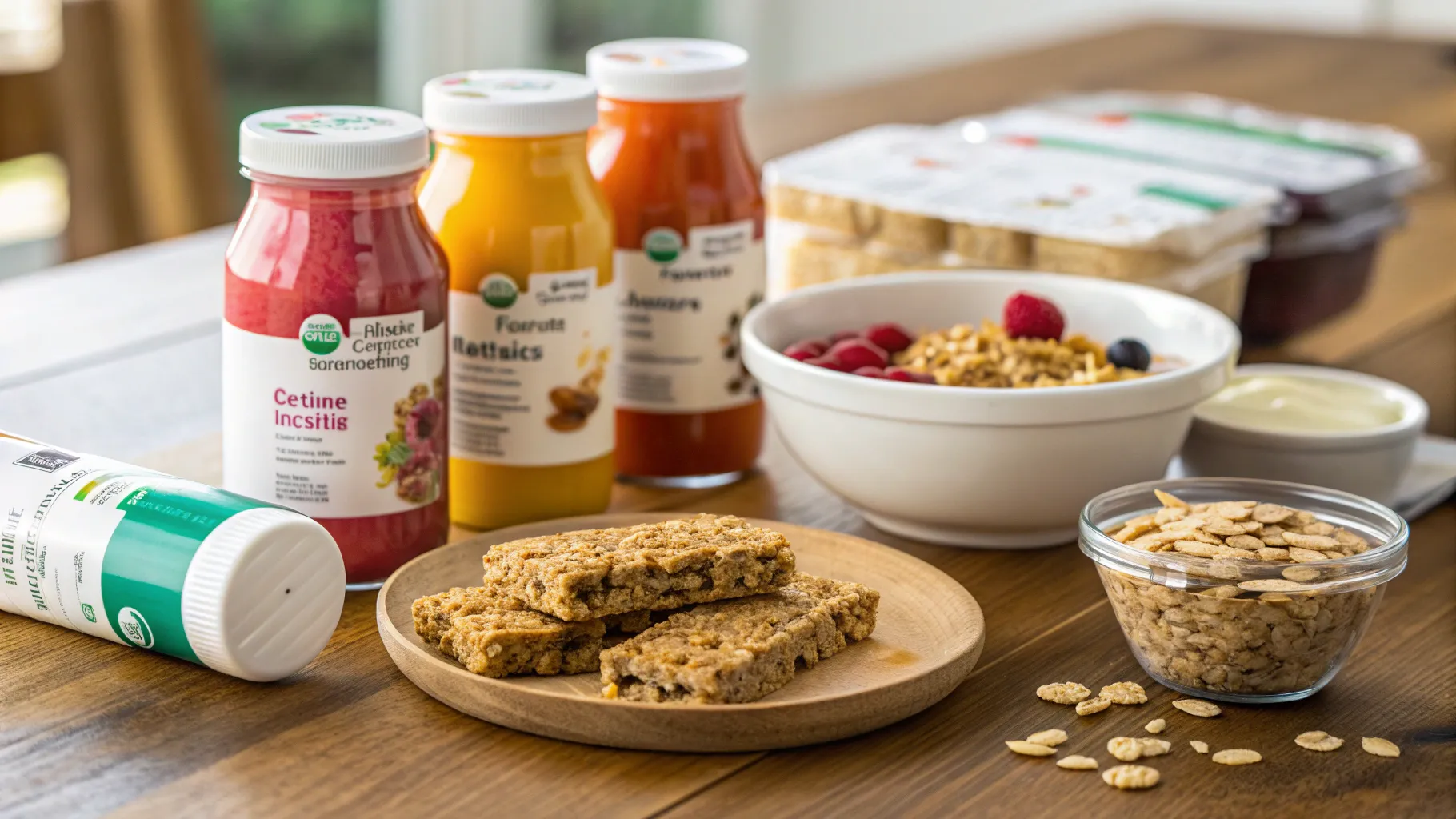
- Granola Bars: Marketed as a nutritious snack, certain granola bars can exceed 18 grams of sugar each, thanks to sugar syrups and sweeteners hidden in the ingredients.
- Yogurt: Flavored yogurts, often marketed to health-conscious consumers, can harbor anywhere from 12 to 15 grams of sugar per serving. This can significantly skew daily sugar intake for adults and children alike.
- Cereal: While some breakfast cereals tout health benefits or whole grains, many still exceed 12 grams of sugar per serving. Always check the label before pouring your morning bowl.
- Sports Drinks: Often marketed to athletes, these can have about 21 grams of sugar per bottle—a major sugar load for those who aren't engaging in hard workouts.
- Fruit Juices: Even juices labeled as 100% fruit can be high in sugar, with around 24 grams in an 8-ounce serving. Whole fruits are better options because they contain additional fiber and nutrients.
- Dairy Alternatives: Flavored almond and soy milks frequently include added sugars. It is advisable to opt for unsweetened versions to manage sugar intake effectively.
- Snacks and Baked Goods: Many sweet treats like cookies, muffins, and pastries can have incredibly high sugar counts. For instance, one muffin might carry as much as 30 grams of sugar!
- Processed Foods: Surprisingly, savory products like canned soups and frozen meals can also contain hidden sugars to enhance flavor, which is a hidden danger for anyone aiming for a balanced diet.
How to Identify Hidden Sugars in Packaged Foods
Now that we have a better understanding of the common foods that may contain hidden sugars, it is vital to learn how to spot these sneaky ingredients in packaged foods effectively. Here are some practical tips to help you on your journey toward healthier eating:
- Read the Ingredients: Get familiar with various names for sugars—such as sucrose, glucose, high fructose corn syrup, and agave nectar. If these terms appear among the first few ingredients, it’s a red flag.
- Check for Added Sugars: Get into the habit of scrutinizing the nutritional label, especially the "added sugars" section. This tells you how much sugar is added beyond what naturally occurs in the product.
- Be Skeptical of Health Claims: Terms like "all-natural" or "low-fat" can mislead consumers. Often, manufacturers add sugar to enhance flavor or compensate for other ingredients.
- Kid-Friendly Products: Be especially cautious with foods marketed to children, as these often contain more sugar than you'd find in equivalent adult products. Look for options with less sugar when stocking up for the family.
- Use Technology: Leverage modern technology—there are many mobile apps designed to help track your sugar intake. These can assist you in making informed choices while shopping.
Recognizing these common food items laden with hidden sugars empowers you to make healthier choices that align with your wellness goals. One highly effective strategy is home cooking, allowing you to control ingredients and potentially minimize excess sugar consumption. Focusing on whole, unprocessed foods—like fresh fruits, vegetables, and whole grains—can dramatically reduce your hidden sugar intake and steer you toward a healthier lifestyle.
As we navigate through 2025, it is essential to remain vigilant about our food choices and encourage others to do the same. Understanding which foods contain hidden sugars is key to improving overall health and enhancing well-being. Make the effort to educate yourself about these hidden sugars, thoroughly read labels, and explore healthier cooking alternatives—your body will undoubtedly thank you for your efforts!