Top 10 Foods for Stronger Bones and Better Bone Health
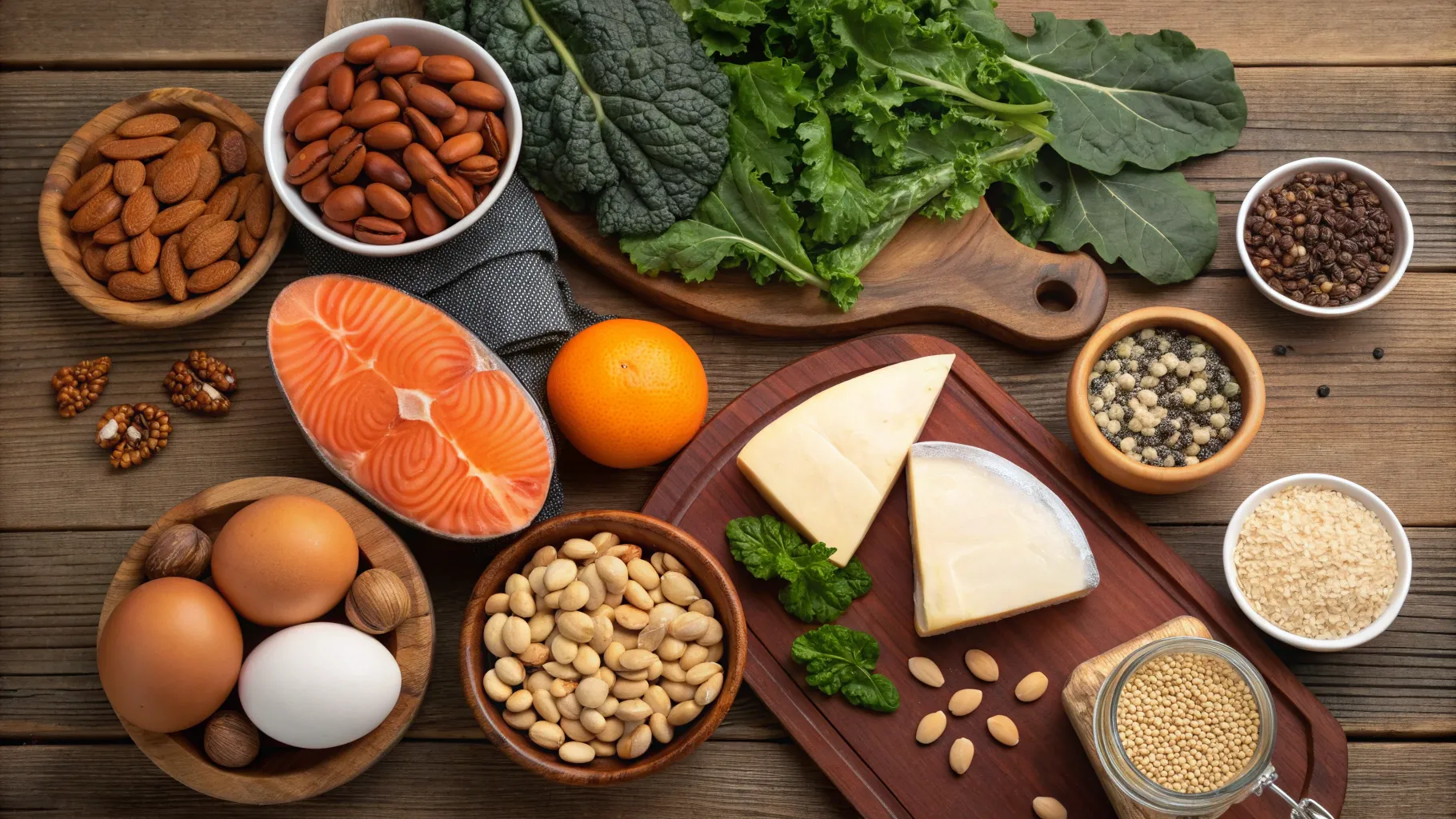
Top 10 Foods For Bone Strength
If you want to maintain strong bones as you age, it's crucial to learn about foods that support bone health. A well-balanced diet rich in certain vitamins and minerals is essential for bone strength and flexibility. In this article, we will explore the top 10 foods that promote bone health and provide the nutrients necessary for maintaining bone density, especially for older adults.
Natural Sources of Calcium and Vitamin D for Strong Bones
Calcium and vitamin D are two of the most vital nutrients for bone health. Calcium is the primary mineral found in bones, while vitamin D plays a critical role in calcium absorption. Here are ten foods that are significant sources of these nutrients:
- 1. Dairy Products Dairy products such as milk, yogurt, and cheese are packed with calcium and provide vitamin D in fortified versions. For example, an 8-ounce serving of milk contains approximately 300 mg of calcium. Regular consumption supports bone density.
- 2. Leafy Greens Kale, spinach, and collard greens are excellent sources of calcium. One cup of cooked kale can offer up to 200 mg of calcium, making it a superb choice for vegans and vegetarians.
- 3. Fatty Fish Salmon, mackerel, and sardines are not only rich in omega-3 fatty acids but are also high in vitamin D. Just a 3.5-ounce serving of salmon contains about 360 IU of vitamin D, significantly contributing to bone strength.
- 4. Nuts and Seeds Almonds and sesame seeds are particularly good sources of calcium. A single ounce of almonds contains around 76 mg. Moreover, they are great for snacks and add crunch to various dishes.
- 5. Eggs Eggs are an affordable source of vitamin D, contained chiefly in the yolk. One large egg provides about 41 IU of vitamin D, along with beneficial proteins necessary for muscle health, which supports your skeletal system.
- 6. Tofu Made from soybeans, tofu can be fortified with calcium and often contains around 253 mg of calcium per half-cup serving. It’s a versatile ingredient that can be incorporated into numerous recipes.
- 7. Fortified Foods Many foods, including cereals, orange juice, and plant-based milk, are fortified with calcium and vitamin D. Check labels to ensure you’re getting the nutrients needed for bone strength.
- 8. Beans and Legumes Beans like white beans, chickpeas, and lentils contain valuable minerals such as magnesium and calcium. For instance, one cup of cooked white beans provides around 161 mg of calcium and essential protein.
- 9. Fruits Certain fruits, particularly oranges and figs, can contribute to bone health. One medium orange contains about 60 mg of calcium, and figs are a potassium-rich fruit that can help support bone density.
- 10. Whole Grains Whole grains provide essential nutrients like magnesium, which plays a role in bone structure. Oatmeal, brown rice, and quinoa are excellent choices to include in your diet.
Incorporating these foods into your daily meals can significantly enhance your nutrient intake. Not only do they help in maintaining strong bones, but they also promote overall health.
How Diet Can Promote Bone Strength and Flexibility
Your diet serves as the foundation for your overall health, influencing your bone strength and flexibility. Consuming the right balance of nutrients such as calcium, vitamin D, magnesium, and vitamin K is essential for optimal bone health. Here are some dietary tips to promote stronger bones:
- Balance Your Plate Ensure every meal contains a variety of food groups - proteins, carbohydrates, fats, fruits, and vegetables. A balanced diet supports not just bone health but contributes to overall wellness.
- Stay Hydrated Hydration plays a crucial role in maintaining the elasticity of joints. Drinking plenty of water aids the body in calcium absorption and can prevent bone-related issues.
- Monitor Caffeine and Sodium Intake Excessive caffeine and salt can lead to calcium loss in your bones. It's wise to moderate consumption of coffee, soda, and processed foods high in sodium.
- Avoid Carbonated Drinks While not all carbonated drinks are harmful, some sodas contain phosphoric acid, which may interfere with calcium absorption. Choose healthier options like herbal teas or flavored water instead.
- Consider Supplements Wisely Sometimes, dietary sources are not sufficient. Consult with a healthcare provider to determine if calcium, vitamin D, or other supplements are right for you.
As we age, the risk of osteoporosis and fractures increases, making it more important to focus on a nutrient-rich diet from an early age. For older adults, bone-friendly foods that are easy to chew and digest become essential. Incorporating calcium-dense foods and ensuring adequate vitamin D levels will not only fortify bones but help in reducing the risk of fractures.
Incorporating these top foods for bone strength will undoubtedly empower individuals to cultivate a diet rich in nutrients that promote healthy bones. Regular check-ups with healthcare providers can also help tailor dietary needs based on individual health conditions and lifestyle changes.
Remember, strong bones aren't just about age - they reflect the dietary choices we make day in and day out. Invest in your bone health today for a dynamic and active tomorrow!