The Top 10 Foods for Seniors: A Guide to Healthy Aging
Fast Facts:
- Nutrient Density: Key for maintaining muscle mass and bone health.
- A focus on whole foods is a growing dietary trend for older adults.
Key Information & Options
As we age, our nutritional needs change. Maintaining a vibrant, healthy lifestyle requires focusing on specific nutrients that support everything from bone density to cognitive function. Understanding the top 10 foods for seniors is the first step toward building a diet that fuels your golden years. This guide covers essential foods for seniors to help you thrive.
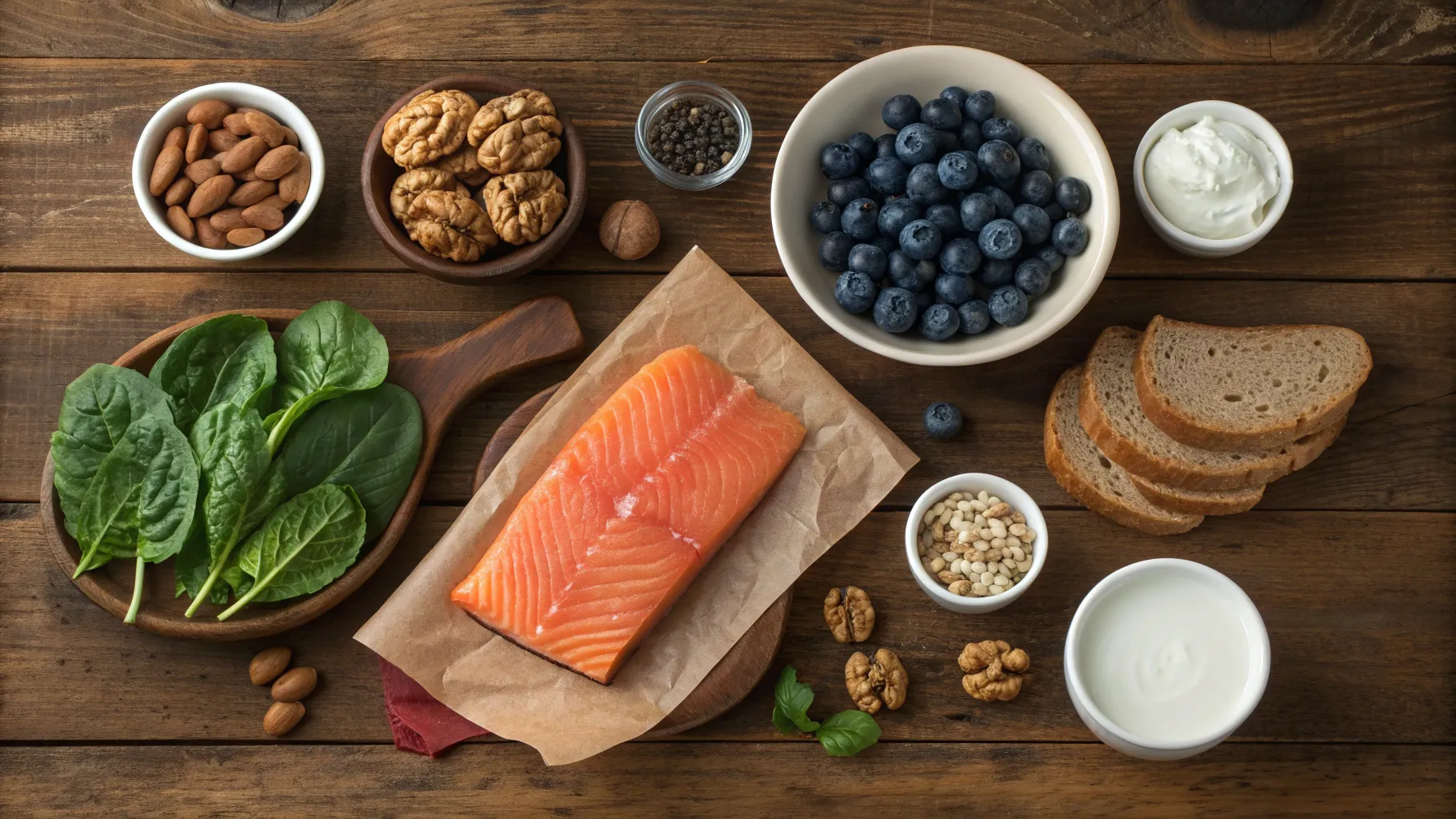
Top 10 Nutrient-Packed Foods for Older Adults
1. Berries
Rich in antioxidants, vitamins, and fiber, berries like blueberries and strawberries support brain health and fight inflammation.
2. Leafy Greens
Spinach, kale, and other greens are packed with calcium, vitamin K, and iron, crucial for bone strength and circulation.
3. Fatty Fish
Salmon, mackerel, and sardines are high in omega-3 fatty acids, which are essential for heart health and reducing cognitive decline.
4. Nuts and Seeds
Almonds, walnuts, and chia seeds provide healthy fats, protein, and fiber, supporting cardiovascular wellness.
5. Greek Yogurt
An excellent source of protein and probiotics, it helps maintain muscle mass and supports a healthy gut microbiome.
6. Oats
This whole grain is a great source of soluble fiber, which can help lower cholesterol and regulate blood sugar levels.
7. Eggs
A complete protein source that also contains choline, a vital nutrient for memory and brain function.
8. Beans and Legumes
Lentils, chickpeas, and black beans are fantastic sources of plant-based protein and fiber, promoting digestive health.
9. Cruciferous Vegetables
Broccoli and cauliflower are rich in fiber, vitamins, and antioxidants that may help reduce cancer risk.
10. Lean Protein
Chicken breast and turkey provide essential amino acids for muscle repair and maintenance without excess saturated fat.
Key Benefits
- Enhanced Cognitive Function: Omega-3s and antioxidants help protect the brain.
- Stronger Bones: Calcium and Vitamin K are vital for preventing osteoporosis.
- Improved Heart Health: A focus on senior nutrition basics like healthy fats and fiber lowers cardiovascular risk.
- Better Digestion: Fiber-rich foods keep the digestive system regular.
While a Mediterranean diet, rich in fish, vegetables, and healthy fats, is often recommended, a simple focus on a balanced diet for seniors can be just as effective. The key is to incorporate a variety of nutrient-dense, healthy foods for older adults rather than adhering to a single rigid plan. Prioritize color and variety on your plate.
Essential Checklist
- Aim for at least 5 servings of fruits and vegetables daily.
- Incorporate lean protein sources into every meal.
- Choose whole grains over refined carbohydrates.
- Stay hydrated by drinking plenty of water throughout the day.
- Limit processed foods, sugar, and unhealthy fats.
Frequently Asked Questions
What is the single most important food for seniors?
While no single food is a magic bullet, leafy greens like spinach are incredibly versatile and packed with essential nutrients for bone, eye, and cognitive health.
How can I ensure I'm getting enough protein?
Include sources like Greek yogurt, eggs, lean meats, or beans with each meal. A protein shake can also be a convenient supplement if your appetite is low.
Are canned or frozen vegetables healthy for older adults?
Yes, absolutely. They are often just as nutritious as fresh vegetables and can be more convenient and budget-friendly. Opt for low-sodium canned versions when possible.
References
- National Institute on Aging
- American Heart Association dietary guidelines
- Journal of Gerontology: Medical Sciences