Top 10 Facts About Human Body You Must Know Today
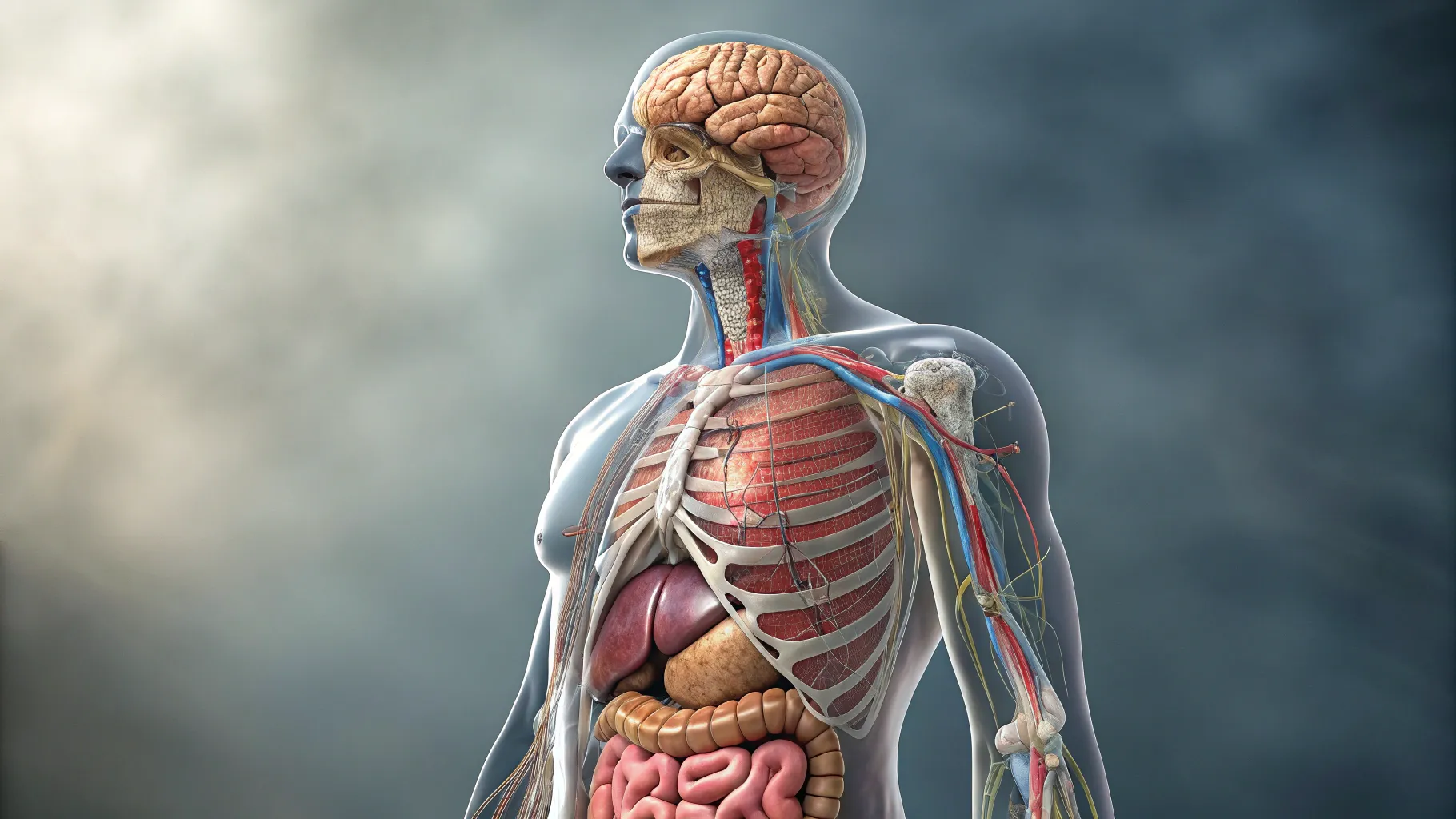
10 Facts About Human Body Explained
The human body is a remarkable and intricate system, constantly performing complex functions necessary for survival. While most of us understand the basic aspects of our anatomy, many of the finer details about how our bodies work may come as a surprise. Here, we delve into ten fascinating facts about human anatomy and functions that underscore just how extraordinary we really are.
The Brain: The Control Center
The brain, often perceived as the command center of the body, is a powerful organ comprising approximately 86 billion neurons. What’s astonishing is that despite weighing only about three pounds, it consumes around 20% of the total oxygen and calories used by the body. This high demand reflects the brain's active role in executing complex tasks such as thinking, movement, and coordination.
The Heart: An Incredible Pump
Did you know that the human heart beats over 100,000 times a day? The heart pumps blood through approximately 60,000 miles of blood vessels. That’s enough to circle the globe more than twice! Each heartbeat is a rhythm that sustains our lives, transporting oxygen and essential nutrients to all our cells while removing waste products.
The Skin: A Protective Barrier
Our skin is not only the largest organ of the body, but it's also an incredible protective barrier. It shields against pathogens and helps regulate body temperature and fluid balance. On average, an adult's skin has a surface area of about 20 square feet and renews itself approximately every 28 days, showcasing the body’s constant journey of healing and renewal.
The Microbiome: Our Tiny Helpers
Within our bodies reside trillions of microorganisms that make up our microbiome. These tiny life forms play a significant role in digestion, immunity, and even mood regulation. Recent studies indicate that a balanced microbiome can improve overall health, influencing everything from mental well-being to weight management. It turns out that many aspects of our health are quite literally in our gut!
The Bones: A Structural Wonder
The human skeleton is composed of 206 bones, allowing us to stand upright, move, and protect vital organs. What’s fascinating is that our bones are constantly undergoing a renewal process called remodeling, where old bone tissue is replaced with new. This occurs through lifelong cycles of bone formation and resorption, maintaining strength and structure throughout aging.
The Muscles: Powerful Yet Versatile
There are over 600 muscles in the human body, working in concert to facilitate movement. From the heart muscle, which pumps blood, to the muscles in our arms and legs that allow us to walk or perform intricate tasks, the muscular system is vital for nearly every action we take. Interestingly, the strongest muscle in relation to its size is the masseter, which is responsible for chewing.
The Eyes: Windows to the World
Our eyes are incredibly complex and can distinguish about 10 million different colors. The human eye can focus on about 50 different objects in just a single second, demonstrating its remarkable adaptability. Additionally, the eye is so sensitive that it can detect a candle flame from up to 1.7 miles away on a dark night! This sensitivity is a testament to the evolution of our sensory systems that allow us to navigate our environments effectively.
The Lungs: Breathing Life
The lungs are vital for respiration, where oxygen is exchanged for carbon dioxide. On average, a person takes about 20,000 breaths a day. Did you know that the surface area of the lungs, if spread out, would cover about the same area as a tennis court? This extensive surface area allows for maximum gas exchange, showcasing how beautifully the body is designed for efficiency.
The Digestive System: A Long Journey
The digestive system is another marvel of human biology, stretching approximately 30 feet from the mouth to the anus. This complex system breaks down food and absorbs nutrients required for energy and growth. It’s interesting to note that the entire digestive process can take anywhere from 24 to 72 hours, depending on the individual and what has been consumed.
The Immune System: Our Defense Force
The immune system is our body’s defense against diseases and infections, composed of a network of cells, tissues, and organs that work together. A healthy immune system is key to fighting off viruses and bacteria. Fascinatingly, recent studies highlight the link between gut health and immune responses, reinforcing the importance of maintaining a balanced diet to support our defenses.
Surprising Details About the Human Body
Understanding how the human body works is essential for appreciating the balance of systems that keep us alive and thriving. These ten facts illustrate the complexity and resilience of our anatomy. We often take for granted the biological wonders that function seamlessly within us every day. From the intricate designs of our organs to the astounding capabilities of our cells, the human body is a living testament to the marvels of nature.
As we continue to research and explore human biology, we uncover even more surprising insights about our health and wellbeing. So next time you marvel at your own body, remember these astounding facts! Our bodies are not just biological machines; they are intricate, responsive systems that engage and adapt to the world around us. Appreciate the wonders of your physiology and learn to nurture it with proper care and attention.