Top 10 Essential Vitamins for Seniors Health Explained
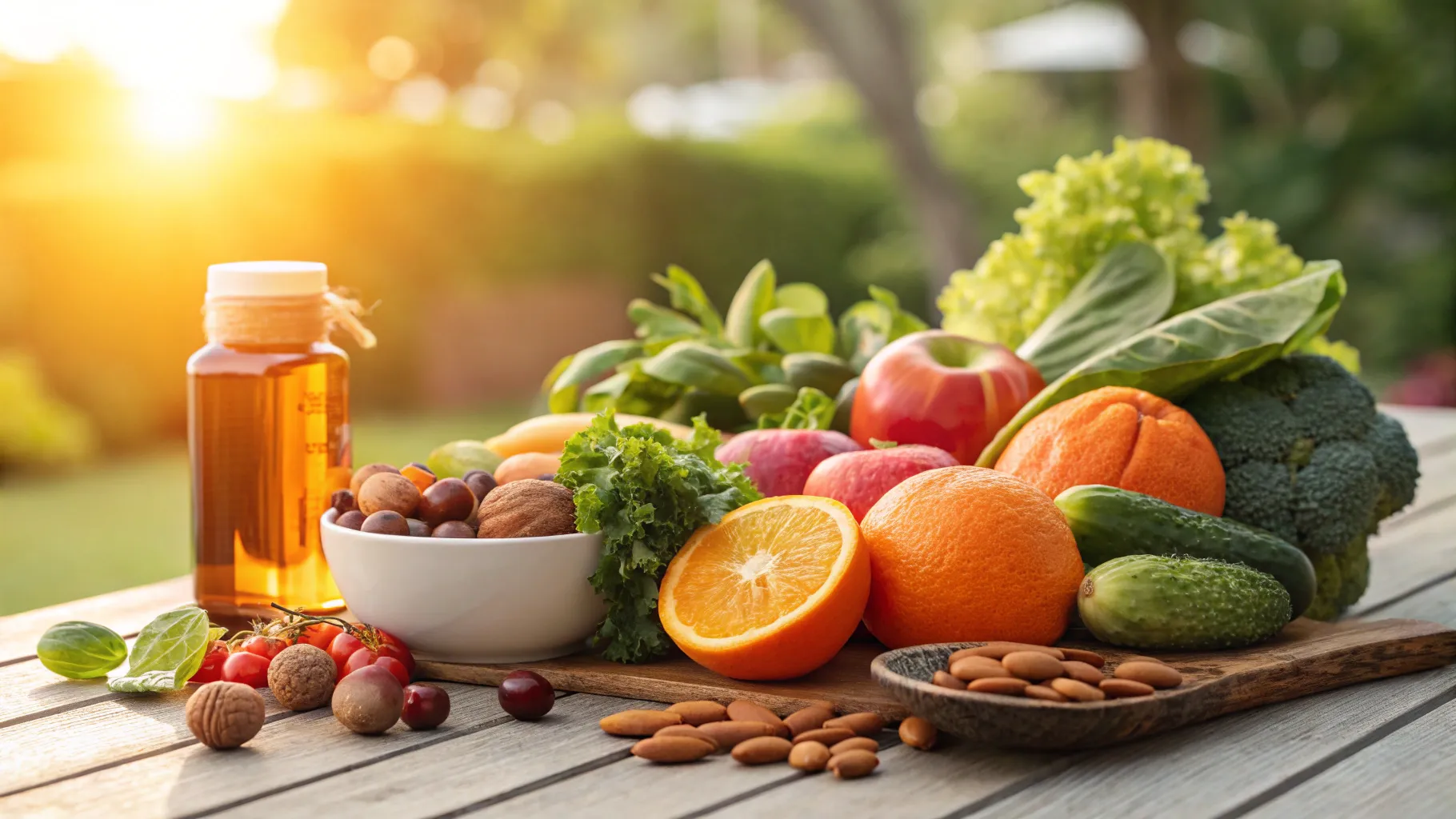
Top 10 Vitamins for Seniors Explained with Examples
As we age, the body's ability to absorb certain nutrients diminishes, leading to increased nutritional needs. Here we explore the 10 important vitamins for seniors that play a crucial role in supporting health and wellness in older adults, ensuring a more vibrant and active lifestyle.
1. Vitamin D
Often referred to as the sunshine vitamin, Vitamin D is essential for calcium absorption and bone health. Seniors are at higher risk of osteoporosis, making adequate Vitamin D intake crucial. A simple solution is to get 10-30 minutes of sunlight several times a week, but supplements can also provide an effective alternative. Studies from the last six months suggest that many older adults receive less than the recommended dietary allowance (RDA) of 800 IU per day.
2. Vitamin B12
Vitamin B12 is vital for brain function and the production of red blood cells. As absorption decreases with age, many older adults find it beneficial to take supplements or eat fortified foods like cereals or plant-based milks. Recent research has revealed that deficiency in Vitamin B12 can lead to cognitive decline, making it a top priority for seniors.
3. Vitamin A
This powerful vitamin contributes to eye health, immune function, and skin integrity. Foods rich in Vitamin A are carrots, sweet potatoes, and spinach, which can be essential dietary staples for seniors. Recent data shows a direct link between adequate Vitamin A intake and decreased rates of age-related macular degeneration.
4. Vitamin C
Known for its immune-boosting properties, Vitamin C helps in preventing chronic diseases and aids in the absorption of iron. Citrus fruits, berries, and peppers are excellent sources. A study published this year indicated that seniors with sufficient Vitamin C levels have improved recovery rates from illnesses.
5. Vitamin E
Vitamin E acts as a potent antioxidant that helps combat oxidative stress that can lead to chronic diseases. Sources include nuts, seeds, and spinach. Recent findings suggest that adequate Vitamin E intake may protect against cognitive decline and Alzheimer's disease, highlighting its importance in a senior's diet.
6. Vitamin K
This vitamin is essential for blood clotting and maintaining bone health. Green leafy vegetables such as broccoli and kale are excellent sources. Most seniors are not meeting their Vitamin K needs, which can lead to increased risks of fractures and bleeding abnormalities.
7. Vitamin B6
Vitamin B6 supports brain health and helps maintain a healthy immune system. As we age, the requirement for this vitamin can increase. Foods high in Vitamin B6 include chicken, fish, potatoes, and chickpeas. A report in early 2025 indicates that many seniors supplement their diets with B6 to enhance cognitive function.
8. Folate (Vitamin B9)
Folate plays a crucial role in cell division and proper brain function. Good sources include leafy greens, legumes, and fortified grains. Seniors should aim for foods high in folate, as studies have shown that sufficient levels are associated with lower incidences of neural tube defects and cognitive decline.
9. Thiamin (Vitamin B1)
Thiamin is important for energy metabolism and nerve function. Seniors often need higher levels due to decreased absorption caused by aging. Foods rich in thiamin include whole grains, legumes, and pork. Recent analysis shows that a thiamin deficiency can lead to issues like nerve pain and fatigue, making it essential for older adults to monitor their intake.
10. Niacin (Vitamin B3)
Niacin plays a key role in supporting metabolism and maintaining healthy cholesterol levels. Seniors can find niacin in poultry, fish, and whole grains. Ongoing studies emphasize the benefits of niacin in preventing cardiovascular diseases in the aging population.
Commonly Recommended Supplements for Older Adults
Given the challenges of getting sufficient vitamins through diet alone, many healthcare providers recommend supplements to ensure adequate intake among seniors. Popular forms include multivitamins tailored for older adults, which typically contain a mix of the above-mentioned nutrients. However, it’s crucial for seniors to consult with healthcare professionals to tailor supplementation to their specific health needs.
Healthcare providers emphasize that maintaining a balanced diet rich in these vitamins not only helps in physical health but also enhances mental well-being, providing a comprehensive approach to healthy aging.
Nutritional Guide to Vitamins Supporting Senior Health
Adopting a diet rich in vitamins is just one piece of the puzzle for seniors who want to maintain their health. Alongside a vibrant intake of these vital nutrients, older adults are encouraged to stay active, hydrate, and engage in social activities to foster mental health. Engaging with community groups or participating in wellness classes can also keep spirits high and promote overall well-being.
This nutritional guide highlights the significance of understanding vitamin needs as we age. Regular health check-ups to monitor vitamin levels can aid in preventing deficiencies and chronic diseases, paving the way for a healthier senior life.
Understanding the role of vitamins in promoting healthy aging gives seniors and their caregivers tools to make informed decisions regarding their health. Integrating a nutritious diet supported by the right supplementation can empower seniors to thrive well into their golden years.