Top 10 Dog Breeds Seniors Should Avoid for Easier Care
10 Dog Breeds That May Be Difficult for Seniors to Manage
Choosing a dog is an exciting venture, particularly for older adults who often seek companionship as they enjoy retirement. While countless breeds offer gentle natures and low-maintenance care, some can challenge the physical and emotional capacities of seniors. Understanding which dog breeds may be difficult for seniors to manage is crucial for making an informed decision that suits both the owner and their new furry friend.
1. Siberian Husky
Known for their beautiful coats and striking blue eyes, Siberian Huskies are delightful yet demanding companions. These dogs are incredibly energetic, requiring rigorous exercise and mental stimulation to prevent destructive behaviors. The independent disposition of Huskies can lead to escape attempts, presenting a challenge for seniors who may struggle to keep pace with their vigorous needs.
2. German Shepherd
German Shepherds are famous for their loyalty and intelligence. However, their strong protective instincts require substantial training and socialization. Without regular exercise and mental engagement, these active dogs can become anxious or unruly. Given their strength and size, seniors might face difficulties managing them, especially if unexpected behaviors arise during walks or social outings.
3. Dalmatian
Dalmatians are energetic and need frequent exercise, making them potential challenges for older owners. They are known to be quite playful, and their exuberance can easily overwhelm seniors, particularly if mobility is restricted. Their need for action means a lot of running or vigorous play, which may not align well with a senior's lifestyle.
4. Border Collie
Often lauded as one of the most intelligent breeds, Border Collies require constant stimulation to prevent boredom. They thrive on mental tasks and physical activities, so seniors may find it challenging to keep them engaged. The need for extensive interaction can be daunting, especially if a senior prefers a more laid-back companion.
5. Jack Russell Terrier
This lively little breed is packed with energy and requires plenty of play and attention. Their small size may deceive some into thinking they are easy to manage, but Jack Russells often have a high activity level that demands purposeful engagement. Seniors may find it tough to keep up with this breed’s spirited antics, leading them to reconsider their decision.
6. Rottweiler
While Rottweilers are known for their loyalty and protective nature, they are also large, muscular dogs requiring assertive training. The strength of a Rottweiler can be intimidating for seniors who may not feel confident in their ability to manage or train them effectively. This breed needs an owner who can establish strong boundaries, something that may prove difficult for some older adults.
7. Labrador Retriever
Labrador Retrievers are affectionate and friendly but can also be quite large and energetic. They require a significant amount of exercise and social interaction to remain well-adjusted. For seniors, managing a strong and playful Lab can be overwhelming, particularly on walks where the dog may pull or lunge unexpectedly.
8. Belgian Malinois
Similar to their German counterpart, the Belgian Malinois is a highly intelligent and demanding breed. Often used in police and military roles, these dogs need frequent exercise and challenging mental tasks. Seniors may find the requirements for this breed exceed their physical capabilities and daily energy levels, making them less suitable as a companion for older adults.
9. Weimaraner
Weimaraners are known for their athleticism and strong instinct to roam. They need vast amounts of physical activity and mental stimulation, which can lead to behavioral issues if neglected. Seniors with limited mobility may find the demands of a Weimaraner too challenging, as these dogs require consistent exercise and supervision to ensure safety.
10. Great Dane
Great Danes may be nicknamed "gentle giants," but their size can create unique challenges. They require ample space in the home and can unintentionally cause accidents due to their size and strength. Managing a Great Dane on a leash can be difficult for seniors, and their relatively short lifespan can also present an emotional burden that may be hard to bear.
Challenges of Caring for Large or Energetic Dogs
When seniors embark on the delightful journey of dog ownership, it's essential to evaluate each breed's physical and mental demands. High-energy or large dogs thrive in environments where someone can actively dedicate time to engage them. However, many older adults are constrained by physical limitations, making it critical to choose a dog that complements their lifestyle.
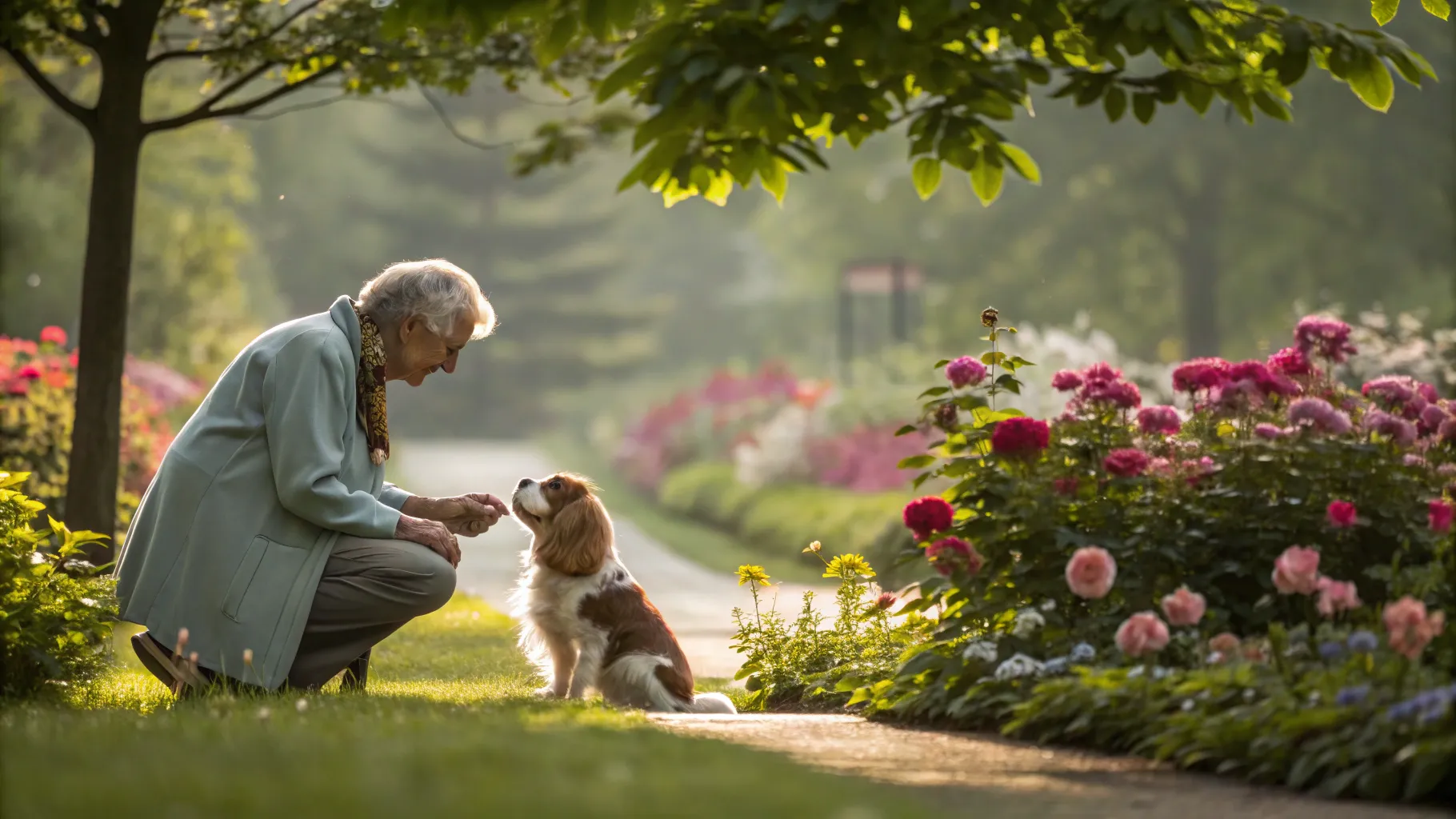
Interestingly, recent surveys indicate that nearly forty percent of seniors over the age of sixty-five acknowledge that physical restrictions significantly impact their ability to care for pets. Simple tasks like walking a large dog or managing their training can become overwhelming. Instead, seniors might benefit more from adopting calmer breeds, such as the Cavalier King Charles Spaniel or Bulldog, which provide companionship without the pressure of constant engagement.
Spotting the right match can transform the experience of pet ownership into a joyous pairing based on comfort and affection. Many low-energy breeds need less physical exertion and can be wonderful companions that fit seamlessly into a relaxed, senior-friendly lifestyle. Meeting a dog’s needs shouldn't have to translate into stress; rather, it should cultivate a bond filled with love and companionship.
In essence, choosing a dog requires a thoughtful assessment of the energy levels and attributes of the breed. By carefully evaluating these factors, seniors can ensure that they select a dog that not only brings joy and companionship into their lives but is also one that they can manage effectively. The right canine companion can lead to years of joy, offering warmth, laughter, and connection without the worries of incompatible needs.