Top 10 Cleaning Mistakes and How to Avoid Them Today
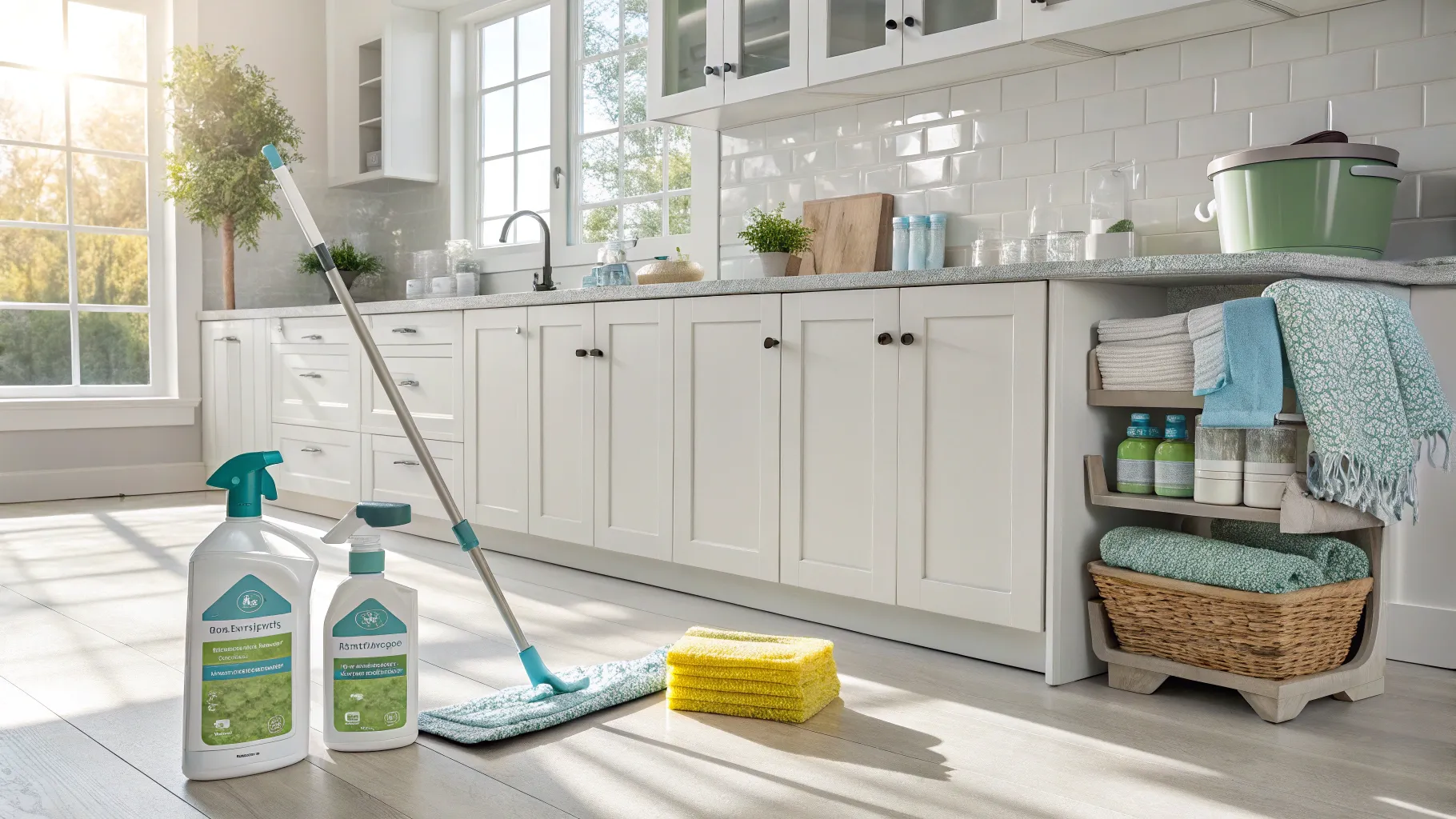
Top 10 Cleaning Mistakes Explained
Cleaning your home can sometimes feel like a never-ending task, yet many people unknowingly make errors that prolong the effort or lead to less-than-desirable results. Understanding these crucial mistakes can make your cleaning routines not only easier but also more effective. Here’s a guide to the top 10 cleaning mistakes explained, perfect for anyone looking to up their household tidiness game in 2025.
1. Using the Wrong Cleaning Products
One common error is reaching for the wrong cleaning product for a specific job. Many people assume that all surface cleaners are created equal, but this is far from the truth. For instance, using a glass cleaner on stainless steel can leave streaks, while a degreaser may be too harsh for delicate countertops. It’s essential to read labels and select products that are suitable for the surfaces you intend to clean.
2. Not Following Directions
Another frequent cleaning mistake involves not following the manufacturer's instructions. Many products, whether they are cleaners or tools, come with specific directions for best use. Skipping these instructions can lead to ineffective cleaning or even damage to surfaces. For example, a common mistake is diluting concentrated cleaners incorrectly, which can diminish their cleaning power.
3. Multitasking When Cleaning
While it may seem efficient to tackle multiple cleaning tasks simultaneously, this approach can lead to more challenges. When people try to do too much at once, they often forget critical steps or spread dirt around rather than eliminate it. Focusing on one task at a time—like dusting before vacuuming—ensures thoroughness and better results.
4. Relying on Sponges Alone
A lot of homeowners depend solely on sponges or cloths for cleaning surfaces. While they can be useful, sponges can harbor bacteria if not properly cleaned or replaced regularly. Studies show that kitchen sponges can contain more bacteria than your toilet seat. Consider using disposable wipes or regularly sanitizing your sponges to keep dirt at bay.
5. Forgetting to Clean Cleaning Tools
Those who invest time in cleaning their homes may overlook the need to clean their cleaning tools. Brushes, mops, and vacuum filters often collect dust and dirt over time, which can then be redeposited back onto your clean surfaces. Regularly rinse and sanitize your tools to ensure they are not part of the problem.
6. Skipping the Dusting and Vacuuming Order
You may already know to dust before vacuuming, but it helps to understand why this order matters. Dusting surfaces first allows debris to fall to the ground, which you can then pick up by vacuuming. If you vacuum first, all the dust and allergens may just settle back onto cleaned surfaces, necessitating a redo.
7. Ignoring High-Touch Areas
During cleaning sessions, many people prioritize visibly dirty areas while forgetting high-touch surfaces, like doorknobs, light switches, and remote controls. A report from the CDC emphasizes that these surfaces can harbor viruses and bacteria, making them critical areas to clean regularly. Incorporate high-touch areas into your routine to optimize germ control.
8. Using Water to Clean Windows
Water may seem like the natural choice for cleaning windows, but it can lead to streaks, particularly if your water has hard minerals. Instead, consider using a dedicated glass cleaning solution for sparkling windows. Techniques such as using a microfiber cloth or squeegee can also improve results.
9. Waiting Too Long to Clean
Piling up chores can seem convenient, but deferring cleaning contributes to bigger messes that take longer to tackle. A staggering 55% of people report feeling overwhelmed by household cleaning tasks due to neglect. Timely cleaning not only keeps your space tidy but also lessens long-term maintenance and harsh scrubbing sessions required to remove built-up dirt.
10. Not Having a Cleaning Schedule
Many individuals jump into cleaning without a plan, resulting in occasional deep cleaning sessions that can be frustrating. Developing a simple cleaning schedule can help track tasks, making them manageable. Whether it's daily, weekly, or monthly tasks, having a plan can relieve stress and ensure that no corner of your home is neglected.
How to Avoid Frequent Household Cleaning Challenges
The awareness of these common cleaning mistakes is crucial for achieving a clean, healthy home. By being mindful of your cleaning practices, incorporating recommended products, and setting a schedule, you can prevent these issues from creeping up on you. Did you know that regular cleaning can also improve overall mental well-being? A clean space often translates to a clearer mind, driving productivity and reducing stress levels.
Invest in quality cleaning supplies that suit your needs, set aside dedicated time for cleaning, and don’t hesitate to adjust your techniques for better results. Check in with trends and transformations in cleaning practices—what worked last year may not be the best method now. The goal for 2025 and beyond is to enhance your cleaning knowledge so that your home can be not just clean, but also a comfortable sanctuary.