Effective Tips to Reduce Dust in the Home for a Cleaner Life
Facts:
- Household dust is 80% dead skin cells.
- HEPA filter usage is trending for homes looking to reduce household dust buildup.
Understanding the Sources: Your First Step to Reduce Dust
Dust is more than just a nuisance; it's a collection of various particles including dead skin cells, fabric fibers, pollen, pet dander, and microscopic organisms. For many, a dusty home can trigger allergies and respiratory issues. A crucial first step is understanding tips to reduce dust in the home, which begins with identifying its sources. By tackling dust at its origin, you can create a healthier and cleaner living environment. Learning how to reduce dust in house spaces involves a multi-faceted approach, combining regular cleaning with strategic home maintenance to effectively manage and minimize its accumulation over time.
Strategic Cleaning Techniques to Get Rid of Dust in Home Effectively
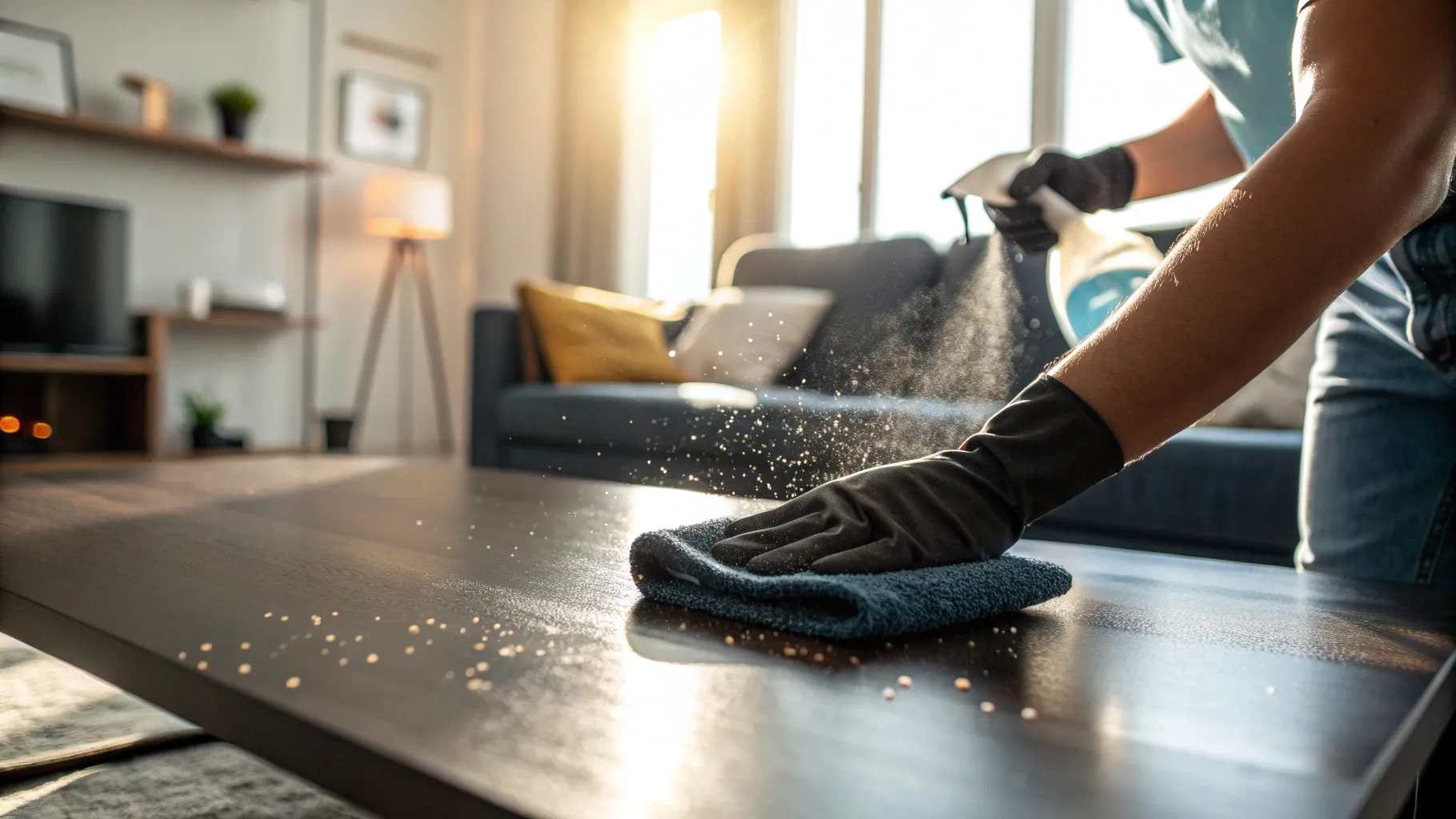
An effective cleaning routine is paramount to get rid of dust in home environments. The key is to trap and remove dust, not just move it around. Always dust from top to bottom. This ensures that any particles dislodged from higher surfaces, like ceiling fans or shelves, will fall onto lower surfaces that you have yet to clean. Instead of using a dry cloth or a feather duster, which can spread dust into the air, opt for a damp microfiber cloth. Microfiber is designed to attract and hold dust particles electrostatically. For floors, vacuuming regularly with a machine equipped with a HEPA (High-Efficiency Particulate Air) filter is essential. A HEPA filter can trap even the smallest particles, preventing them from being recirculated back into the air and significantly helping to reduce household dust buildup.
Upgrade Your Home Environment: Key Dust Control Tips for Homes
Beyond cleaning, making strategic changes to your home's interior can drastically cut down on dust. Textiles are major dust magnets, so addressing them is one of the most effective dust control tips for homes. Wash bedding, including sheets, pillowcases, and blankets, in hot water weekly to kill dust mites. Consider replacing heavy drapes with blinds or washable curtains. If you have carpet, which can trap enormous amounts of dust, consider switching to hard-surface flooring like wood, tile, or laminate. If removing carpet isn't an option, ensure it is vacuumed at least twice a week. Reducing clutter is another vital step. The more items you have sitting out, the more surfaces there are for dust to settle on. A minimalist approach not only looks cleaner but is physically easier to keep clean.
Tackling Airborne Particles: How to Reduce Dust in House Air
A significant portion of dust is airborne and eventually settles on surfaces. Therefore, improving your home's air quality is a direct method for how to reduce dust in house interiors. Investing in a high-quality air purifier with a HEPA filter can capture airborne dust particles before they have a chance to land. Place units in the most frequently used rooms, such as the bedroom and living room. Another critical area is your home's HVAC system. Be sure to change the air filters regularly—at least every three months—using high-efficiency pleated filters with a MERV (Minimum Efficiency Reporting Value) rating of 8 to 12. Maintaining proper humidity levels, ideally between 40% and 50%, can also help, as dust mites thrive in high humidity.
Long-Term Strategies for Understanding Tips to Reduce Dust in the Home
Consistent, long-term habits are the foundation for a dust-free home. Gaining a deep understanding tips to reduce dust in the home means integrating these practices into your daily life. Implement a 'shoes off' policy at the door to prevent dirt and pollen from being tracked inside. Groom pets regularly, preferably outdoors or in a well-ventilated area, to control pet dander, a major component of dust. Seal cracks and crevices around windows and doors to prevent outside dust from entering. Finally, regularly decluttering your home is not a one-time task but an ongoing process that simplifies cleaning and minimizes the surfaces available for dust accumulation, which is fundamental to reduce household dust buildup over the long haul.
Frequently Asked Questions
How often should I dust to effectively reduce household dust buildup?
For most homes, dusting once a week is sufficient to control and reduce household dust buildup. However, if you have pets, live in a dusty or high-pollen area, or have family members with allergies, you may need to dust two to three times per week to maintain a clean environment and good air quality.
Do air purifiers really help get rid of dust in home?
Yes, air purifiers are highly effective tools to help get rid of dust in home air. Models with HEPA filters are specifically designed to capture microscopic airborne particles, including dust, pollen, pet dander, and mold spores, preventing them from settling on your furniture and floors.
What are the best dust control tips for homes with pets?
The best dust control tips for homes with pets include frequent grooming of your pet to reduce shedding and dander, vacuuming carpets and upholstery multiple times a week with a HEPA-filter vacuum, washing pet bedding regularly, and using an air purifier to capture airborne dander.
References
- Environmental Protection Agency - Indoor Air Quality Division
- American Lung Association - Healthy Air at Home Guidelines
- Journal of Allergy and Clinical Immunology