The Top 15 Wards for Neurosurgery Procedures in the United States
Facts:
- Specialized neurological units significantly improve patient recovery rates.
- Demand for advanced neurosurgery procedures is projected to grow by 15% for complex cases.
Exploring the Premier Neurosurgical Wards Across the United States
For patients facing complex neurological conditions, identifying the right facility is paramount. The United States is home to some of the world's most advanced neurosurgical wards, offering cutting-edge technology and highly skilled specialists. These elite centers are at the forefront of innovation, continually pushing the boundaries of what is possible in treatments ranging from intricate spinal surgery to delicate brain tumor removal. Understanding the capabilities and specializations of these facilities is crucial for patients and their families seeking the highest standard of care for neurosurgery procedures.
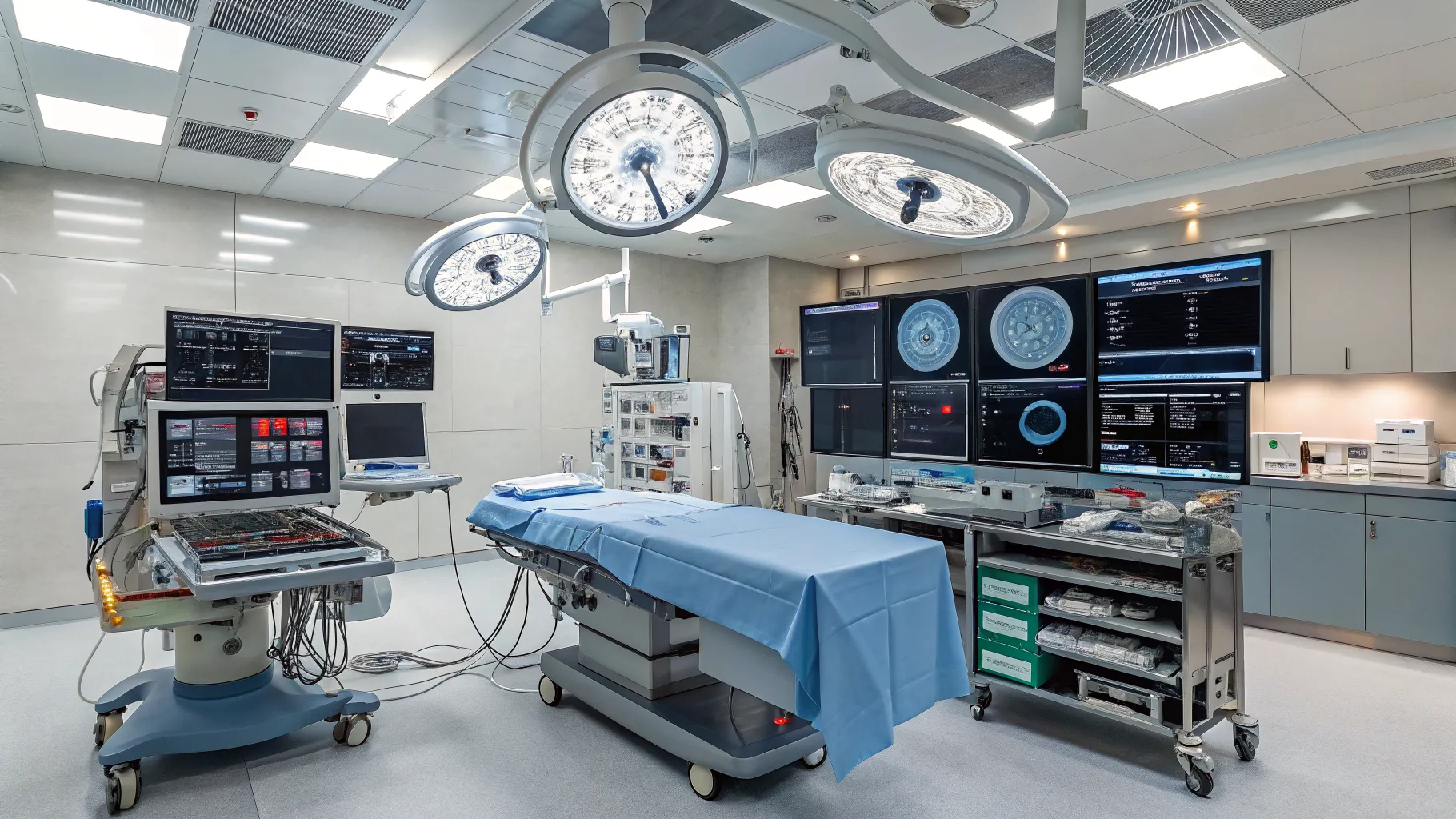
The pursuit of excellence in neurosurgery demands a combination of state-of-the-art infrastructure, pioneering research, and a multidisciplinary team approach. The facilities recognized as top neurosurgery hospitals excel not only in surgical outcomes but also in comprehensive pre-operative assessment and post-operative rehabilitation. Their commitment to patient-centered care ensures that individuals receive tailored treatment plans addressing their specific conditions, whether it involves intricate cranial interventions or complex spinal surgery. These specialized environments are designed to optimize every aspect of the patient journey, from initial diagnosis through long-term recovery.
The Leading 15 Neurosurgical Wards and Their Specializations
Choosing a facility for neurosurgery procedures involves careful consideration of expertise, technology, and patient support. Here are 15 of the leading institutions, known for their exceptional contributions to neurosurgical care.
1. Massachusetts General Hospital (Boston, MA)
Known for its robust brain tumor center, offering advanced radiation therapies and innovative surgical approaches for complex brain tumor removal. Their team collaborates on intricate cases, providing personalized treatment plans and access to clinical trials for cutting-edge neuro-oncology therapies.
2. Mayo Clinic (Rochester, MN)
A global leader, Mayo Clinic's neurosurgical department excels in all facets, including highly specialized procedures for neurological disorders and complex vascular conditions. Their integrated approach ensures comprehensive care, from diagnostics to rehabilitation, making them a top choice for diverse neurosurgery procedures.
3. NewYork-Presbyterian Hospital-Columbia and Cornell (New York, NY)
Recognized for its expertise in cerebral aneurysms, stroke intervention, and pediatric neurosurgery. This institution's commitment to research and advanced surgical techniques positions it as a premier destination for intricate brain and spinal conditions, including complex spinal surgery cases.
4. University of California, San Francisco Medical Center (San Francisco, CA)
UCSF is at the forefront of neurological research and treatment, particularly in epilepsy surgery, movement disorders, and neuro-oncology. Their neurosurgeons are pioneers in minimally invasive techniques, enhancing patient recovery for various neurosurgery procedures.
5. Cleveland Clinic (Cleveland, OH)
A powerhouse in neurological care, especially for spinal disorders, pituitary tumors, and complex skull base surgeries. The Cleveland Clinic's integrated model ensures seamless coordination among specialists, providing exemplary care for diverse and challenging neurosurgery procedures.
6. Johns Hopkins Hospital (Baltimore, MD)
Renowned for its historical contributions to neurosurgery and ongoing excellence in treating brain and spinal cord tumors. Johns Hopkins continues to innovate with advanced imaging and surgical navigation, making it a key center for challenging brain tumor removal.
7. Cedars-Sinai Medical Center (Los Angeles, CA)
Specializes in advanced spine surgery, neurovascular conditions, and innovative treatments for Parkinson's disease. Cedars-Sinai combines clinical expertise with a focus on patient comfort and recovery, offering a full spectrum of neurosurgery procedures.
8. UCLA Medical Center (Los Angeles, CA)
A leader in brain tumor research and treatment, epilepsy surgery, and neurotrauma. UCLA's multidisciplinary team provides comprehensive care, from critical interventions to rehabilitative support, for a wide range of neurological conditions requiring expert neurosurgery procedures.
9. Northwestern Memorial Hospital (Chicago, IL)
Offers cutting-edge care for cerebrovascular disorders, brain tumors, and complex spine pathologies. Their dedicated neurosurgical intensive care units ensure optimal post-operative recovery for patients undergoing advanced spinal surgery and other interventions.
10. Hospitals of the University of Pennsylvania-Penn Presbyterian (Philadelphia, PA)
Distinguished for its neuro-oncology program, spinal deformity correction, and peripheral nerve surgery. Penn's commitment to personalized medicine and advanced surgical techniques ensures high-quality outcomes for complex neurosurgery procedures.
11. Barnes-Jewish Hospital (St. Louis, MO)
A prominent center for stroke treatment, brain tumor surgery, and intricate vascular malformations. Barnes-Jewish Hospital leverages state-of-the-art technology to provide precision care for a variety of challenging neurosurgery procedures.
12. Mount Sinai Hospital (New York, NY)
Excels in endovascular neurosurgery, pituitary surgery, and movement disorder treatments. Mount Sinai's team pioneers minimally invasive approaches, reducing recovery times for patients requiring specialized neurosurgery procedures.
13. Houston Methodist Hospital (Houston, TX)
Known for its robust spine center, deep brain stimulation for movement disorders, and complex cranial base surgery. Houston Methodist is a top choice for patients seeking advanced spinal surgery and other intricate neurological interventions.
14. Rush University Medical Center (Chicago, IL)
A recognized leader in spinal neurosurgery, cerebrovascular disease, and pain management. Rush's integrated approach to care ensures patients receive comprehensive treatment plans for both common and rare neurological conditions needing neurosurgery procedures.
15. Brigham and Women's Hospital (Boston, MA)
Offers exceptional care in neuro-oncology, epilepsy surgery, and complex vascular lesions. Brigham and Women's commitment to research and innovation positions it as a leading institution for advanced brain tumor removal and other critical neurosurgery procedures.
Comparing Specialized Neurosurgical Approaches and Technologies
When evaluating neurosurgical wards, the distinction often lies in the specialized approaches and advanced technologies they employ. For instance, some top neurosurgery hospitals are pioneers in robotic-assisted spinal surgery, which can offer greater precision and potentially faster recovery times compared to traditional open surgery. Others may lead in intraoperative MRI (iMRI) technology, allowing surgeons to visualize tumor removal in real-time during brain tumor removal, thereby maximizing resection while minimizing damage to healthy tissue. Patients seeking treatment for complex conditions like aneurysms might prioritize facilities with extensive experience in endovascular coiling or clipping, depending on the specifics of their case. The integration of advanced neuromonitoring during all neurosurgery procedures is also a critical factor, ensuring patient safety and optimal neurological function throughout and after surgery. Understanding these technological nuances helps patients make informed decisions tailored to their specific neurosurgical needs.
Navigating Your Choice: Actionable Advice for Neurosurgical Care
Selecting the right neurosurgical wards is a critical decision that can significantly impact outcomes. Here's actionable advice to guide your choice:
- Research Specialist Expertise: Look for hospitals where neurosurgeons specialize in your specific condition, whether it's spinal surgery, brain tumor removal, or vascular malformations. Experience in high-volume, complex cases often correlates with better outcomes for particular neurosurgery procedures.
- Consider a Multidisciplinary Approach: Prioritize facilities that offer a team-based approach, including neurologists, neuro-oncologists, radiation oncologists, and rehabilitation specialists. Comprehensive care ensures all aspects of your treatment and recovery are addressed by experts.
- Evaluate Technology and Innovation: Inquire about the advanced technologies available, such as intraoperative imaging, neuro-navigation systems, and minimally invasive surgical tools. Cutting-edge equipment can lead to more precise and effective neurosurgery procedures.
- Review Patient Outcomes and Safety Records: Research success rates, complication rates, and patient satisfaction scores. Many top neurosurgery hospitals transparently report these metrics, which can provide insight into their quality of care.
- Factor in Rehabilitation Services: Post-operative rehabilitation is crucial for recovery. Choose a facility with robust physical, occupational, and speech therapy programs that are tailored to neurosurgical patients.
- Seek Second Opinions: Always consider obtaining a second opinion from another leading neurosurgeon. This can provide peace of mind and confirm the recommended treatment plan, especially for complex neurosurgery procedures.
Frequently Asked Questions
What defines a top neurosurgery hospital?
A top neurosurgery hospital is characterized by its high volume of complex neurosurgery procedures, state-of-the-art technology, specialized neurosurgical wards, a multidisciplinary team approach, active research programs, and superior patient outcomes and safety records.
Are all neurosurgery procedures high-risk?
While all neurosurgery procedures carry inherent risks due to the delicate nature of the brain and spine, advancements in surgical techniques, imaging, and anesthesia have significantly reduced these risks. The risk level depends heavily on the specific condition, its complexity, and the patient's overall health.
How important is specialized spinal surgery expertise?
Specialized spinal surgery expertise is highly important, especially for complex conditions like spinal deformities, tumors, or intricate fusions. Surgeons who focus on specific areas of the spine often have greater experience and better outcomes for those particular types of neurosurgery procedures.
Can I recover fully after brain tumor removal?
Full recovery after brain tumor removal depends on many factors, including the tumor's size, location, type, the extent of resection, and the patient's pre-operative neurological status. Many patients achieve significant recovery, often supported by intensive rehabilitation, while some may experience residual deficits.
References
- Journal of Neurosurgery Publications.
- American Association of Neurological Surgeons Guidelines.
- National Institute of Neurological Disorders and Stroke Reports.
- Leading Medical Center Annual Neurosurgery Outcome Reports.