The Complete Guide to Buying Second-Hand Sofas in 2026
Opting for a second-hand sofa is an increasingly popular choice for savvy shoppers in 2026. It's a fantastic way to acquire high-quality furniture at a fraction of the retail price, discover unique vintage styles, and make a more sustainable choice for your home. However, navigating the used market requires a keen eye and a bit of knowledge to ensure you bring home a treasure, not a problem.
Where to Find Quality Used Sofas
The search for the perfect second-hand sofa can take you to both digital and physical marketplaces. Online platforms like Facebook Marketplace, OfferUp, and Craigslist offer a vast and constantly updated selection. These sites allow you to search locally and often find great deals directly from sellers. The primary advantage is the sheer volume of options available, though it requires you to be diligent in vetting listings and asking the right questions before arranging a viewing.
For those who prefer to inspect items in person before committing, physical stores are an excellent resource. Consignment shops often feature higher-end, curated pieces that are in good condition. Thrift stores and charity shops can be goldmines for bargains, though you may need to visit frequently to find a great piece. Don't overlook estate sales and local antique stores, especially if you are searching for a sofa with unique character and vintage appeal.
Key Factors to Inspect Before Buying
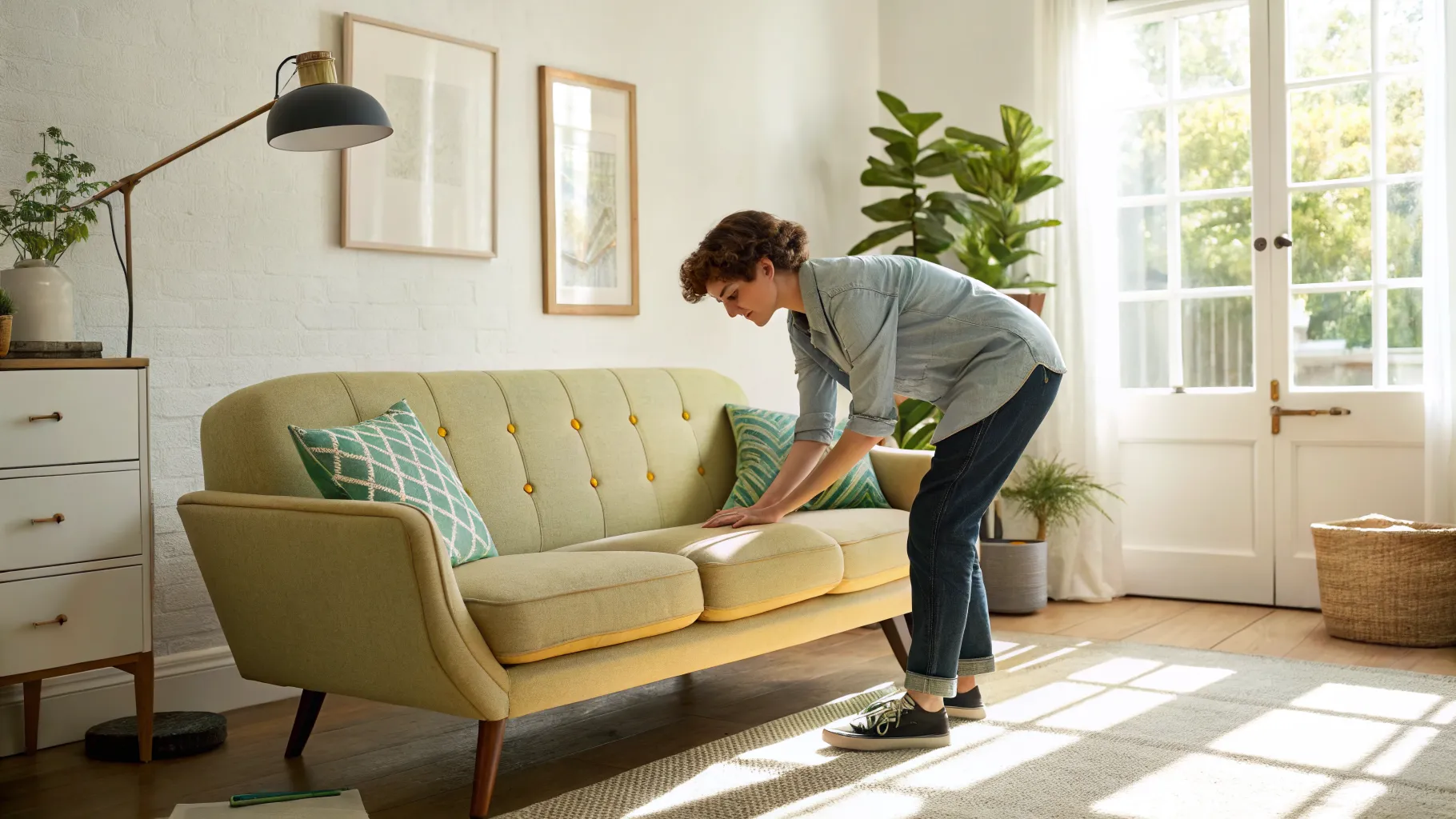
A thorough inspection is the most critical step in buying a used sofa. The first thing to assess is the frame's integrity. Don't be shy about sitting on it, wiggling the arms, and leaning against the back. A solid frame, typically made of hardwood, should feel sturdy and stable. Any significant wobbling, creaking, or flexing is a major red flag that could indicate a broken or weakened structure.
Beyond the frame, several other components need a close look. A checklist can help you be systematic during your inspection:
- Springs and Support: Press down firmly on the seats and run your hand over the surface. The springs should feel firm and evenly spaced. Sagging, lumps, or popping noises suggest the support system is worn out and may need costly repairs.
- Cushions: Check the condition of all cushions. Are they lumpy, overly compressed, or still plump and comfortable? Removable and washable cushion covers are a significant advantage for hygiene and maintenance.
- Upholstery: Examine the fabric for rips, significant stains, pilling, or fading, especially in high-wear areas like the armrests and seat edges.
- Legs: Ensure all legs are securely attached and free from cracks or damage. An unstable leg can be a simple fix or a sign of deeper frame issues.
Understanding Upholstery and Materials
The type of fabric on a sofa affects its durability, comfort, and ease of cleaning. Natural fibers like cotton and linen are breathable and comfortable but can be prone to staining and wrinkling. Leather is a highly durable and long-lasting option that often looks better with age, but it requires conditioning and can show scratches. Synthetic materials like microfiber are popular for their stain resistance and soft feel, making them a great choice for homes with pets or children.
When examining the upholstery on a second-hand piece, pay close attention to its condition. Gently pull at the fabric to see if it feels brittle or thin. Check seams for any signs of splitting or fraying threads. Remember to look at all sides of the sofa, including the back and underneath the cushions, as these areas can reveal hidden wear or damage. Minor fading might be acceptable, but widespread discoloration could be a sign of sun damage that has weakened the fibers.
Identifying and Avoiding Common Problems
One of the biggest concerns with used upholstered furniture is the potential for unwelcome guests like bed bugs, fleas, or moths. Carefully inspect all seams, crevices, and the underside of the sofa with a flashlight. Look for small dark spots, shed skins, or live insects. Any sign of pest activity should be an immediate deal-breaker, as infestations are difficult and expensive to eradicate.
Another common issue is persistent odor. A sofa can absorb smells from its previous environment, such as smoke, pets, or mildew. While some light odors can be removed with a professional cleaning, strong, embedded smells are often impossible to eliminate completely. Be wary of any piece that smells musty, as this could indicate mold or mildew growth inside the cushions or frame due to water damage.
The Logistics of a Second-Hand Sofa Purchase
Before you fall in love with a sofa, make sure it will physically fit into your home. Measure the sofa's height, width, and depth, and compare those numbers to the dimensions of your doorways, hallways, and any tight corners or stairwells. It's a common mistake to find the perfect piece only to realize it's impossible to get inside.
You also need a plan for transportation. Most private sellers and many thrift stores do not offer delivery, so you will likely need to arrange for a truck or van and some helping hands to move it safely. Finally, it's wise to budget for a professional deep cleaning. Even if a sofa looks clean, a professional service can sanitize it, remove hidden dirt and allergens, and give you peace of mind.
Trends in Second-Hand Furniture for 2026
The pre-owned furniture market in 2026 is heavily influenced by a desire for both sustainability and individuality. Styles with timeless appeal, such as Mid-Century Modern and classic Chesterfield sofas, continue to be highly sought after for their iconic designs and durable construction. Modular and sectional sofas are also in high demand due to their flexibility, allowing owners to reconfigure them to fit different spaces and needs.
Furthermore, there is a growing trend of upcycling and personalization. Buyers are increasingly looking for well-made vintage pieces with 'good bones' that can be reupholstered in a modern fabric. This approach allows for a completely custom look while saving a quality piece of furniture from the landfill, blending eco-consciousness with personal style.