Tablets for Seniors: Easy Features Benefits and Buying Guide
Understanding Tablets for Seniors
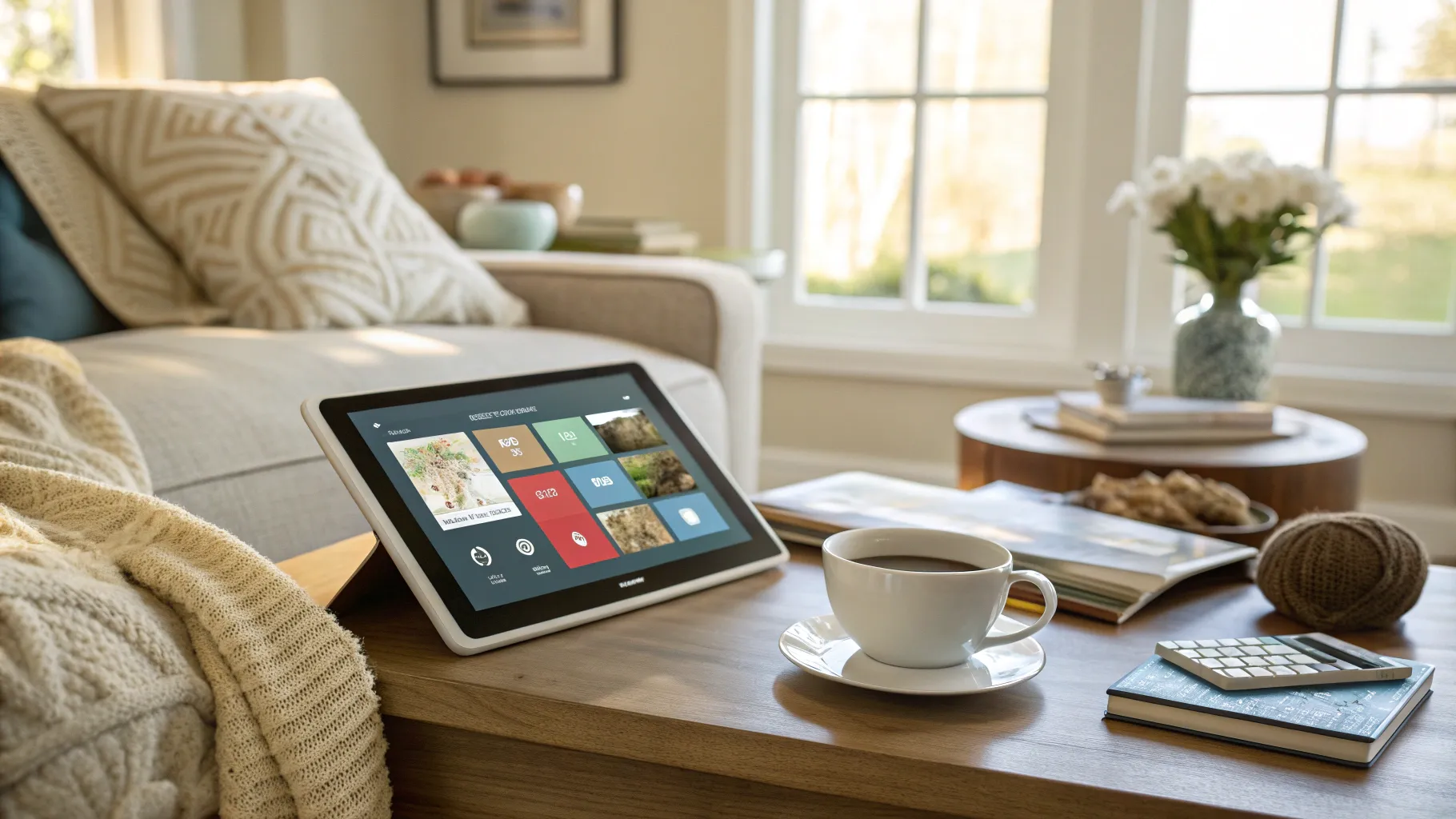
In today's tech-savvy world, the idea that tablets can be beneficial for seniors is becoming more popular. With so many features designed specifically for ease of use, it’s no wonder that older adults are embracing these devices. Tablets can provide countless advantages, offering not just entertainment, but also practical applications to help seniors stay connected with family and friends.
How Seniors Can Benefit from Using Tablets
For many older adults, using technology like tablets has transformed the way they engage with the world. Here are some benefits that are making waves in the senior community:
- Communication: Tablets allow seniors to video call family members, send text messages, and share pictures with ease. Apps like Skype or Zoom enable face-to-face interactions which can greatly help combat loneliness.
- Social Connectivity: Social media platforms such as Facebook or Instagram make it easy for seniors to connect with friends and family. Keeping in touch with loved ones can provide emotional support and enhance their overall well-being.
- Health Management: Many seniors use tablets to manage their health. Apps can remind them to take medications, track appointments, or even monitor fitness levels. For instance, diabetes management apps have made it easier for seniors to control their diet and health activities.
- Access to Information: The internet can be a treasure trove for seniors. On a tablet, they can read news articles, look up health-related information, and access tutorials that teach new skills or hobbies.
- Entertainment: Streaming services like Netflix and Spotify are easily accessible on tablets, providing endless entertainment options. Whether it’s watching movies, listening to music, or reading e-books, seniors can engage in activities that uplift their spirits.
Tablets for Seniors with Easy-to-Use Features
When selecting a tablet for seniors, it’s essential to consider devices that prioritize user-friendly features. Here are some characteristics and options that suit senior needs well:
- Large Screen: A bigger display makes it easier for seniors to read text and view images without straining their eyes. Tablets with 10-inch screens or more can be ideal.
- Simplified User Interface: Some tablets are designed for simplicity. For instance, the Amazon Fire HD 10 offers a “Tablet for Seniors” mode, minimizing complications by providing an intuitive interface through which seniors can easily navigate.
- Voice Commands: Tablets that incorporate voice recognition can dramatically improve accessibility. Devices like the Apple iPad come with Siri, enabling seniors to control their devices using commands.
- Accessibility Settings: Many tablets offer built-in accessibility features, like text-to-speech, larger text, and high-contrast modes. This allows for personalization according to the user’s specific needs.
- Durability: Tablets that are designed to withstand drops or spills can ease the anxiety that seniors may have about damaging their device. A rugged tablet fits this criterion perfectly.
Accessibility Settings on Tablets for Older Adults
Older adults often find accessibility features invaluable in making their experience more enjoyable. Many tablets come with settings that can be altered to suit the user's needs. Below are some popular accessibility settings available on most tablets:
- Text Size and Font Adjustment: Tablets allow users to increase text size, which helps those with visual impairments read content more comfortably.
- Screen Magnification: Zoom features can magnify areas of the screen, assisting seniors who might struggle with smaller text or images.
- Color Correction: Features that adjust colors for those with color blindness can enhance the overall viewing experience.
- Hearing Accessibility: Tablets can be equipped with adjustable volume and visual notifications for alerts, ensuring that hearing impairments do not hinder communication or interaction.
- VoiceOver or TalkBack: These features read out the content displayed on the screen, helping visually impaired seniors navigate their tablets independently.
Guide to Choosing Tablets Suitable for Seniors
When it’s time to choose a tablet, consider these factors that are particularly beneficial for seniors:
- Operating System: Tablets generally run on either iOS, Android, or Windows. iOS devices, such as the iPad, may be easier to operate for some seniors because of their intuitive design.
- Price: Determine your budget before buying. While some high-end tablets offer exceptional features, there are budget-friendly alternatives that are equally functional.
- Battery Life: A long battery life is essential, as seniors may not be adept at charging their devices frequently. Look for tablets that offer at least 8-10 hours of use on a single charge.
- Reviews and Recommendations: Check customer reviews or seek recommendations from others who understand the specific needs of seniors and can guide you toward suitable options.
- Skilled Support: Ensure that the senior has access to family members or friends who can provide assistance with technical issues when using their tablets.
In conclusion, as technology continues to evolve, seniors are finding ways to adapt and benefit from devices like tablets. With the right features and accessibility options, tablets can significantly enhance the daily lives of older adults, fostering connectivity, independence, and a sense of belonging in a rapidly changing world.