Supporting Digestive Health After 50 with Natural Foods
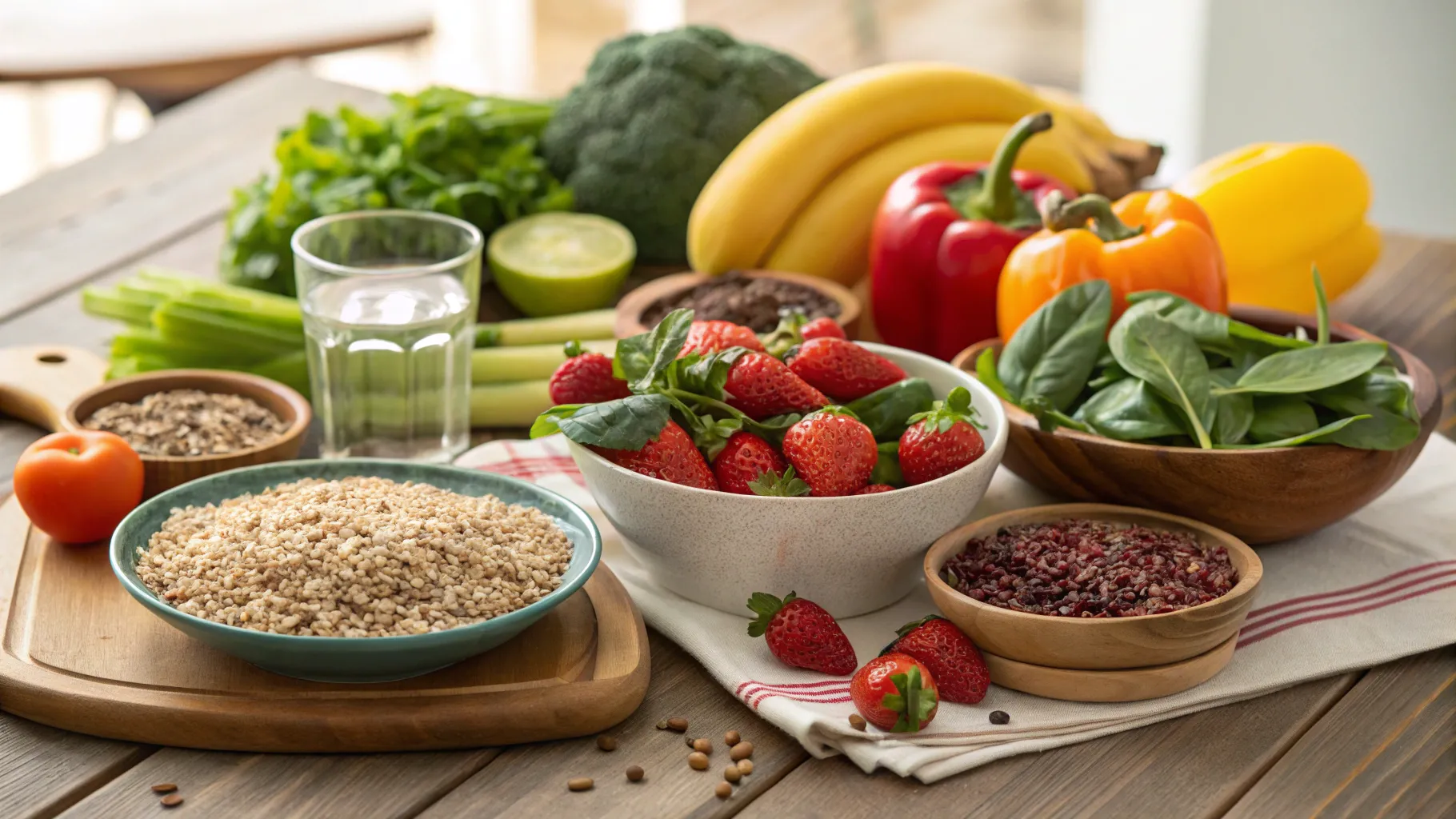
Maintaining Digestive Health for Adults Over 50
Turning fifty often brings changes in the body, including the digestive system. Issues such as bloating, constipation, and acid reflux may become more common. While these changes are a natural part of aging, understanding digestive health can help manage symptoms and support overall well-being. Adopting thoughtful lifestyle and nutrition strategies can promote better digestion and maintain a healthier digestive system.
Natural Strategies for Better Digestion
Even as we age, there are numerous natural strategies for fostering better digestion. Achieving this improvement is often within reach through simple lifestyle changes that can be easily integrated into your daily routine:
- Stay Hydrated: Water plays a vital role in digestion, helping to break down food and absorb nutrients effectively. It is recommended to drink at least eight glasses of water per day, adjusting this amount based on your activity level and environment.
- Incorporate More Fiber: A higher fiber intake is essential for promoting regular bowel movements. Fruits, vegetables, whole grains, and legumes should be staples in your meals. Want to start simple? Foods like oats, beans, apples, and broccoli can work wonders.
- Engage in Regular Exercise: Moderate physical activity such as brisk walking, swimming, or yoga greatly stimulates the digestive tract. Aim for at least 150 minutes of exercise each week to contribute to optimal digestive function.
- Opt for Smaller, Frequent Meals: Consuming large meals can lead to discomfort and sluggish digestion. Instead, try eating smaller portions more frequently throughout the day, which can help ease the digestive process and reduce feelings of bloating.
- Include Probiotics and Fermented Foods: Foods like yogurt, kefir, and fermented vegetables are beneficial for gut health. They help balance gut bacteria, leading to enhanced digestion and overall gut wellness.
As highlighted in recent surveys, approximately 60 million Americans report struggling with digestive issues, often linked to dietary habits and sedentary lifestyles. By recognizing and addressing these concerns, older adults can actively work to mitigate digestive discomfort.
Foods That Support Healthy Digestion in Older Adults
The impact of diet on digestion cannot be understated, especially as we age. Here are some foods that stand out for their ability to promote effective digestion:
- Whole Grains: Grains such as quinoa, barley, and brown rice are not only rich in fiber but also promote regular digestive health.
- Leafy Greens: Nutrient-rich options like spinach, kale, and swiss chard provide a solid amount of fiber, which is integral to digestive efficiency.
- Fruit Choices: Berries, pears, and bananas are not only fiber-packed but also easy on the digestive system, making them great choices for gut health.
- Healthy Fats: Incorporate sources of healthy fats, like avocados, nuts, and olive oil. These can aid in vitamin absorption and improve digestive comfort by creating smoother digestion.
- Lean Proteins: Fish, chicken, and legumes supply essential nutrients without the heaviness often associated with red meats, helping your body to digest food more efficiently.
Findings from the American Gastroenterological Association emphasize that older adults face a significantly higher likelihood of developing conditions like gastroesophageal reflux disease (GERD), underscoring the dire need for mindful dietary choices that can alleviate symptoms.
Healthy Eating Practices for Comprehensive Digestive Wellness
What you eat is crucial, but so is how you consume your food. By adopting mindful eating habits, you can create opportunities for substantial improvements in your digestion. Here are a few tips:
- Take Your Time to Savor Food: Slow down during meals and chew thoroughly, allowing the digestive enzymes in your saliva to assist in breaking down food more efficiently.
- Practice Mindful Eating: Eliminating distractions while eating helps you to listen to your body signals, such as recognizing when you’re full and reducing the risk of overeating.
- Avoid Processed Foods: Processed foods often come loaded with preservatives and artificial additives that can impair digestion. Concentrate on whole and minimally processed food whenever possible.
- Strive for Balanced Meals: Each meal you consume should aim for a healthy balance of carbohydrates, proteins, and fats, ensuring optimal digestive performance.
Current research indicates that education on healthy eating and mindful habits has contributed to a marked decline in gastrointestinal complaints among individuals over fifty. This progress affirms the effectiveness of proper dietary practices and encourages continuing education within the community.
It’s imperative to maintain vigilance regarding specific digestive issues such as heartburn or constipation that can arise due to lifestyle, diet, or medication changes. Regular health consultations can help tailor dietary recommendations suited for your individual needs, addressing ongoing digestive challenges.
In summary, focusing on a diet rich in fiber, exercising regularly, practicing mindful eating, and being attuned to your eating habits can lead to meaningful improvements in digestive health after fifty. Adopting this mindful approach isn't just about enhancing comfort; it's about significantly enhancing your overall quality of life, ensuring you can fully enjoy these golden years with renewed vitality and comfort.