Support Liver Health After 50 with Diet and Lifestyle Tips
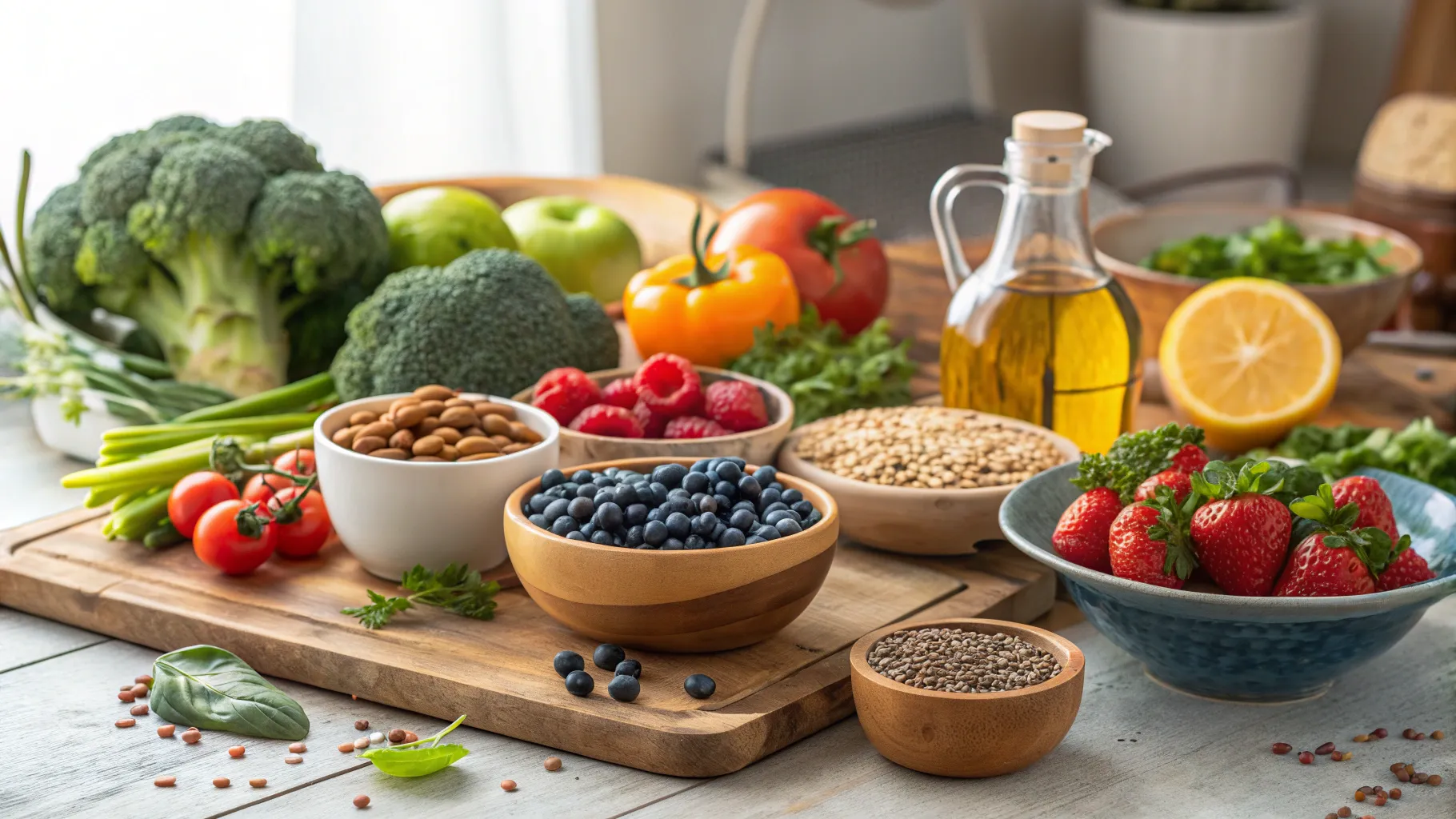
Liver Health After 50 How Diet and Lifestyle Affect Liver Function in Older Adults
As we age, it's crucial to prioritize liver health, especially after reaching the age of 50. The liver, one of the most vital organs in the body, plays a significant role in detoxification, metabolism, and nutrient storage. Understanding how diet and lifestyle affect liver function can help older adults maintain optimal health.
Understanding Common Liver Issues After Age 50
According to recent studies published in early 2025, liver-related diseases have seen a rise among individuals over 50. Conditions like non-alcoholic fatty liver disease (NAFLD), alcoholic liver disease, and hepatitis C are now more prevalent. For instance, around 45% of older adults are estimated to suffer from NAFLD, which can lead to cirrhosis if left untreated. Furthermore, age-related changes in liver physiology can reduce its ability to process drugs and toxins, making it vital for older adults to be proactive about their liver health.
Older adults may not experience symptoms until liver damage is significant. Signs such as fatigue, jaundice, and abdominal discomfort should prompt a visit to a healthcare professional, especially for those over 50. Regular checkups can catch potential issues before they escalate.
Ways to Support Liver Health After 50
It's never too late to adopt habits that promote a healthier liver. Here are several critical strategies:
- Healthy Diet: A balanced diet rich in fruits, vegetables, whole grains, and lean proteins is essential. Foods high in antioxidants, such as berries and leafy greens, can help protect your liver cells from damage. Recent research shows that a Mediterranean diet, which emphasizes healthy fats from fish and olive oil, may significantly reduce the risk of liver disease.
- Stay Hydrated: Water is crucial for detoxification processes. Aim for at least eight glasses of water a day to support liver functions and overall health.
- Limit Alcohol Intake: Excessive alcohol consumption directly harms liver health. For those over 50, it's advisable to limit intake and follow the guidelines, which recommend no more than one drink per day for women and two for men.
- Maintain a Healthy Weight: Obesity is a significant risk factor for liver disease. Engaging in physical activity not only aids weight management but can also improve liver enzyme levels. The CDC recommends at least 150 minutes of moderate exercise per week.
- Regular Checkups: Routine visits to your healthcare provider can help monitor liver enzyme levels and overall function. Blood tests and imaging can provide insights into your liver health and help detect issues early.
- Avoid Toxins: Minimize exposure to harmful substances and chemicals, whether they are in cleaning products, pesticides, or industrial settings. Using gloves and masks when handling these materials can protect your liver.
Incorporating these habits into daily life can significantly improve liver health. Practical steps, such as meal planning and opting for home-cooked meals, can help in adhering to a healthier lifestyle.
Foods and Habits That Promote Healthy Liver Function
Certain nutrients and foods have shown promising potential in promoting liver health. Here are some choices and their benefits:
- Cruciferous Vegetables: Broccoli, Brussels sprouts, and cauliflower are rich in compounds that may enhance the liver's ability to detoxify.
- Fatty Fish: Rich in omega-3 fatty acids, fish like salmon and sardines can help reduce liver fat and inflammation.
- Olive Oil: This healthy fat is known to improve liver enzyme levels and may reduce the risk of fatty liver disease.
- Green Tea: Regular consumption has been associated with improved liver function and fat loss.
- Garlic: Studies show that garlic can help reduce body weight and fat, potentially benefiting those with fatty liver disease.
Adopting these dietary habits can lead to a healthier liver. Planning meals around these foods and making them accessible in your kitchen aids in transitioning to a liver-friendly diet.
Tips for Maintaining Liver Wellness Through Regular Checkups
As emphasized earlier, regular checkups are crucial for maintaining liver health after 50. Here are some practical tips for ensuring your liver wellness during these visits:
- Prepare for Your Visit: Keep a record of any symptoms, medications, and changes in your diet or lifestyle to share with your doctor.
- Ask About Tests: Inquire about liver function tests, which can check the levels of liver enzymes and determine how well your liver works.
- Discuss Medications: Be open about all the medications and supplements you take, as some can affect liver health.
- Follow-Up: Don’t skip follow-ups if your doctor recommends them based on your initial tests or symptoms.
By actively engaging in your health care, you can catch potential issues early and maintain better control over your liver health.
In summary, maintaining liver health after the age of 50 requires a combination of lifestyle choices, a balanced diet, and regular medical checkups. The liver is resilient, and with proper care, you can support its function effectively and enjoy a healthier, vibrant life.