Support Healthy Blood Pressure with Effective Habits Foods
Supporting Healthy Blood Pressure in 2025
In today's fast-paced world, maintaining healthy blood pressure is more important than ever. As we grapple with increasing stressors and evolving lifestyles, knowing how to sustain normal blood pressure is critical for our overall health and wellness. This article delves into practical habits, beneficial foods, effective stress management techniques, and tips for easily monitoring your blood pressure in the comfort of your own home.
Learn About Habits That Help Maintain Normal Blood Pressure
Establishing effective habits is essential for regulating blood pressure. Recent research underscores how consistent physical activity can dramatically improve heart health. For instance, a study published in early 2025 found that engaging in just 30 minutes of moderate exercise five days a week can reduce the risk of hypertension by nearly 50 percent. Imagine reducing your risks just by making time for regular physical activity!
Moreover, healthy eating holds enormous power over our blood pressure levels. The DASH (Dietary Approaches to Stop Hypertension) diet, renowned for its focus on fruits, vegetables, whole grains, and lean proteins, has proven effective in managing blood pressure. Recent findings indicate that individuals following the DASH diet have seen a notable reduction in systolic blood pressure, often dropping by around 11 mmHg within just a few weeks.
- Engage in enjoyable cardiovascular activities such as brisk walking, jogging, or cycling to elevate your heart rate.
- Incorporate strength training exercises at least twice a week to build muscle and enhance metabolism.
- Be mindful of sodium consumption, aiming for a limit of no more than 2,300 mg per day to support heart health.
Foods That Naturally Support Heart and Vessel Health
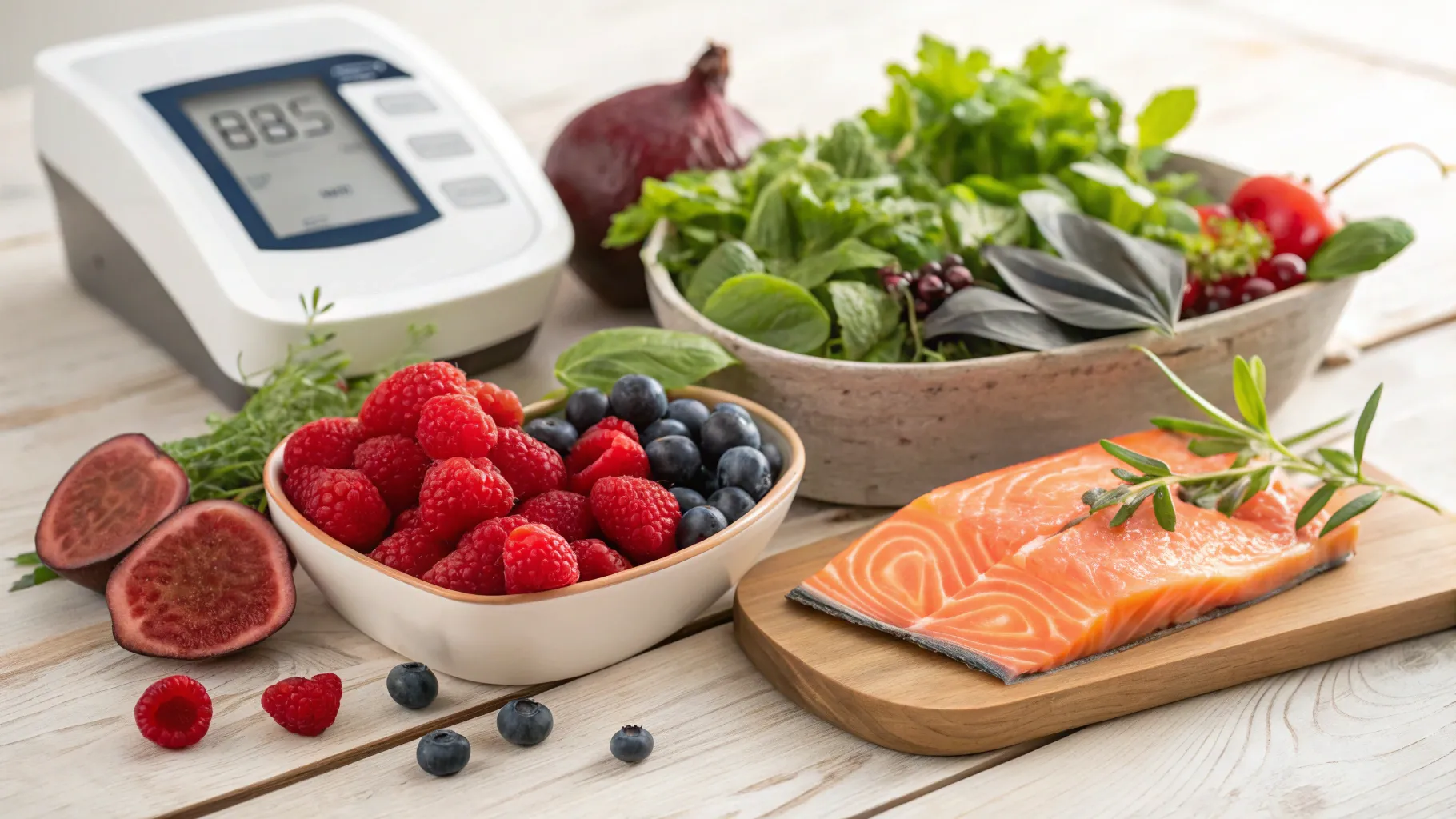
Eating the right foods can significantly impact blood pressure and overall heart health. Consider integrating more of the following heart-friendly options into your meals:
- Berries: Blueberries and strawberries are packed with antioxidants, crucial for lowering blood pressure.
- Leafy greens: Vegetables like spinach and kale are rich in potassium, which helps balance sodium levels in the body.
- Beets: These vibrant vegetables are high in nitrates, potentially lowering blood pressure by improving blood vessel function.
- Fatty fish: Varieties such as salmon, mackerel, and sardines are loaded with omega-3 fatty acids, known for reducing inflammation and lowering blood pressure.
Incorporating these foods is easier than you may think. Just blend a delicious berry smoothie for breakfast or prepare a hearty salad featuring grilled salmon for dinner. Even minor dietary shifts can yield significant benefits for your heart health.
How Stress Management Affects Blood Pressure
We recognize that stress is a significant contributor to elevated blood pressure. As we dwell in 2025, extensive studies reveal how chronic stress raises blood pressure through hormonal changes and increased heart rate. Effectively managing stress has become essential for maintaining healthy blood pressure.
Practices such as mindfulness meditation, yoga, and deep-breathing exercises showcase tangible benefits for individuals striving to manage hypertension. Recent surveys indicated that people engaging in regular mindfulness techniques not only report significantly reduced stress levels but also experience a decrease in blood pressure readings by an average of 5 mmHg within just six months.
- Start with just 10 minutes of deep breathing exercises daily to cultivate relaxation.
- Incorporate mindfulness meditation into your routine for enhanced emotional resilience.
- Prioritize good sleep hygiene, as restorative sleep can significantly impact your stress levels and heart health.
These methods combat the immediate stressors of daily life while fostering long-term cardiovascular health.
Information on Monitoring Blood Pressure at Home
In 2025, monitoring blood pressure at home has become a standard recommendation by health professionals, thanks to advancements in smart technology. Many individuals now utilize automatic blood pressure monitors that offer accurate and reliable readings with ease.
To effectively monitor your blood pressure:
- Select a validated blood pressure monitor to ensure accurate readings.
- Take your measurements at the same time each day, ideally when you are calm and relaxed.
- Maintain a log of your readings to share with your healthcare provider during visits for personalized health strategies.
By proactively tracking your blood pressure, you gain valuable insights that can influence your discussions with healthcare providers, allowing for tailored advice and lifestyle adjustments.
Tips for Promoting Cardiovascular Wellness
Overall cardiovascular wellness encompasses more than just managing blood pressure numbers. Here are some additional essential tips for fostering your heart health:
- Avoid tobacco: Smoking remains a leading risk factor for heart disease, so quitting is vital.
- Limit alcohol intake: Keep your consumption within moderate limits; no more than one drink per day for women and two for men.
- Stay hydrated: Adequate water intake is crucial for cardiovascular function and optimal health.
A balanced lifestyle with informed dietary choices, effective stress relief techniques, diligent blood pressure monitoring, and a focus on general wellness can drastically reduce your risk of heart disease. Remember, the integration of these habits into your day-to-day life can put you in control of your blood pressure and foster longevity and quality of life. Start taking small, manageable steps toward a healthier you today!