Supplements for Colitis: A Comprehensive Guide to Natural Relief
Facts:
- Probiotics can help restore gut bacteria balance in colitis.
- Omega-3 fatty acids are a key trend for managing IBD symptoms.
Navigating Gut Health: Key Supplements for Managing Colitis
Living with colitis, a form of Inflammatory Bowel Disease (IBD), presents a daily challenge marked by unpredictable symptoms and chronic inflammation. While conventional medical treatments are foundational, many individuals seek complementary approaches to better manage their condition. This guide delves into the world of supplements for colitis, exploring how specific natural compounds can support gut health, reduce inflammation, and improve overall quality of life. Understanding the role of the best supplements colitis patients can use is a crucial step toward a more holistic management plan. We will examine evidence-based options, from probiotics to herbal extracts, providing a comprehensive overview of colitis natural supplements.
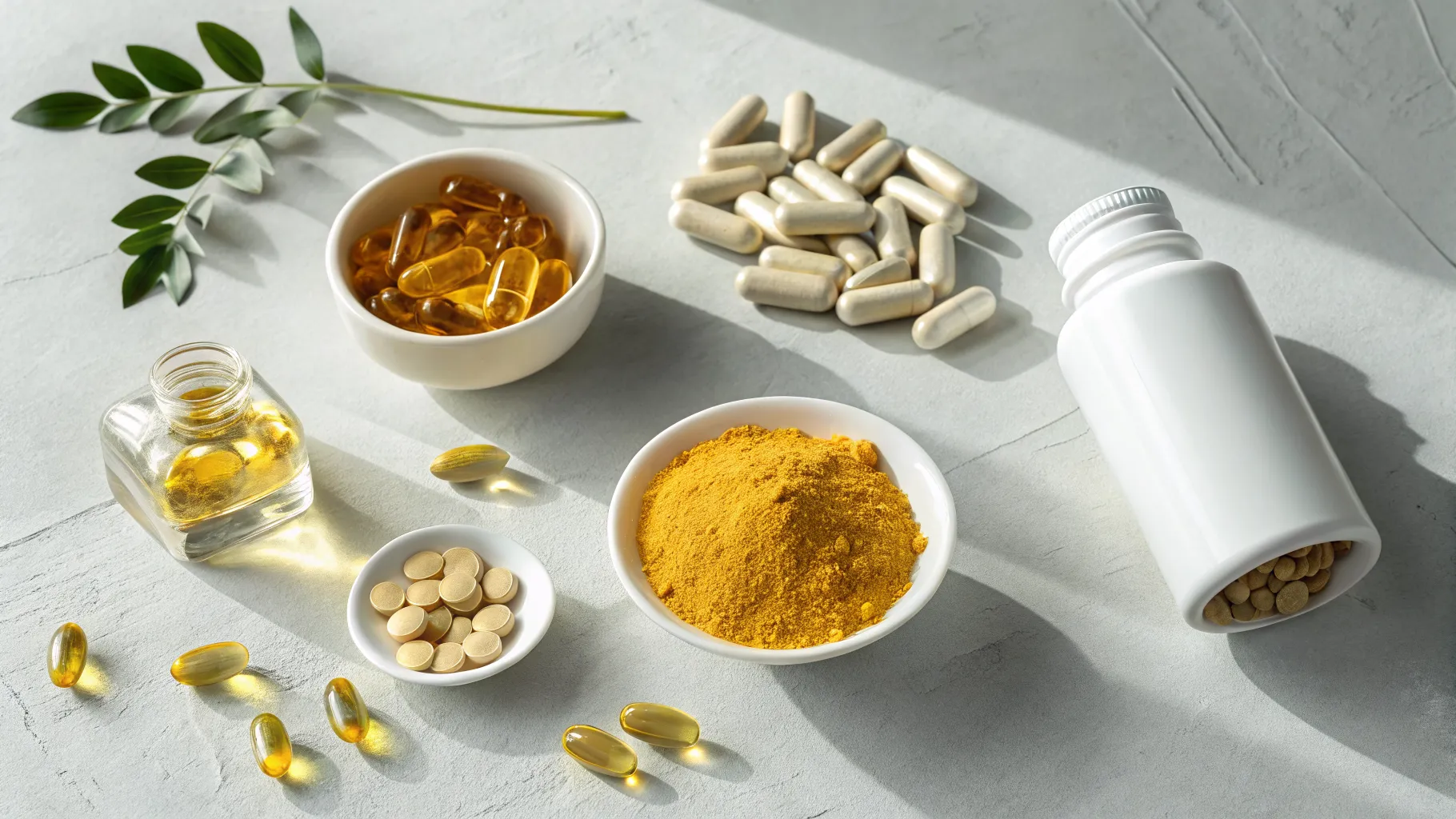
Top-Rated Colitis Natural Supplements for Inflammation
The primary goal in managing colitis is controlling inflammation in the colon. Certain natural supplements have shown significant promise in this area due to their potent anti-inflammatory properties. These ibd supplements can work alongside prescribed medications to help soothe the gut lining and potentially reduce the frequency and severity of flare-ups. It's essential to approach these options with an understanding of their mechanisms and potential benefits.
Probiotics
Probiotics are live microorganisms that confer a health benefit on the host when administered in adequate amounts. For individuals with colitis, the gut microbiome is often out of balance. Introducing beneficial bacteria through probiotics is one of the most researched strategies using supplements for colitis. Strains like Lactobacillus and Bifidobacterium can help restore microbial harmony, strengthen the gut barrier, and modulate the immune response, thereby reducing inflammation. Choosing a high-potency, multi-strain probiotic is often recommended as one of the best supplements colitis patients can integrate into their daily routine.
Turmeric (Curcumin)
Curcumin is the active compound in turmeric and is renowned for its powerful anti-inflammatory and antioxidant effects. It works by inhibiting key molecules that play a role in the inflammatory cascade. For those researching ulcerative colitis supplements, curcumin consistently appears as a promising option. Studies have suggested it may help induce and maintain remission in ulcerative colitis patients. To maximize absorption, it is often recommended to take curcumin supplements formulated with piperine (black pepper extract) or in a lipid-based form.
Omega-3 Fatty Acids (Fish Oil)
Omega-3 fatty acids, particularly EPA and DHA found in fish oil, are potent anti-inflammatory agents. They can help reduce the production of inflammatory substances in the body. As one of the most popular colitis natural supplements, fish oil is widely used to support overall health, but its targeted effect on gut inflammation makes it particularly relevant for IBD. Regular intake of high-quality fish oil supplements can be a valuable part of a comprehensive plan for managing colitis symptoms.
Essential Vitamins and Minerals as IBD Supplements
Chronic inflammation and malabsorption associated with colitis can lead to significant nutritional deficiencies. Therefore, incorporating specific vitamin and mineral supplements is not just beneficial but often necessary. These ibd supplements address common shortfalls and support the body's ability to heal and function correctly.
Vitamin D
Vitamin D plays a critical role in immune system regulation. Low levels of Vitamin D are common in people with IBD and have been linked to increased disease activity. Supplementing with Vitamin D can help modulate the immune response and may reduce inflammation in the gut. It's a fundamental supplement for anyone managing a chronic inflammatory condition like colitis.
Iron
Chronic intestinal bleeding, even at a low level, can lead to iron-deficiency anemia in colitis patients, causing fatigue and weakness. An iron supplement may be necessary to restore healthy levels. However, it's crucial to consult a doctor, as some forms of iron can irritate the gut. Your healthcare provider can recommend a formulation that is easier to tolerate when searching for supplements for colitis.
Folic Acid
Some medications used to treat colitis, such as sulfasalazine, can interfere with the absorption of folic acid. This B vitamin is essential for cell repair and production. Supplementing with folic acid ensures the body has adequate levels to support the healing of the intestinal lining, making it an important component of a regimen of ulcerative colitis supplements.
Herbal and Other Colitis Natural Supplements to Consider
Beyond the primary supplements, several other natural compounds have gained attention for their potential benefits in supporting gut health for those with colitis. These options offer additional pathways to soothe the digestive tract and manage symptoms.
Psyllium Husk
For some individuals with colitis, particularly ulcerative colitis in remission, soluble fiber like psyllium husk can help improve stool consistency and promote regularity. It acts as a prebiotic, feeding beneficial gut bacteria. It's important to start with a very small dose and increase gradually, as fiber tolerance can vary significantly among IBD patients.
Boswellia Serrata
Also known as Indian frankincense, Boswellia is an herbal extract that contains boswellic acids, which have anti-inflammatory effects. Research suggests it may help reduce gut inflammation by inhibiting specific inflammatory enzymes. It's considered one of the promising colitis natural supplements for those looking for plant-based options to complement their treatment.
Comparing Supplements for Colitis: What's Right for You?
Choosing the best supplements colitis sufferers can take depends heavily on individual symptoms, nutritional status, and overall health. A combination approach is often most effective. For example, while probiotics work to rebalance the gut microbiome, turmeric and omega-3s directly target inflammatory pathways. Vitamin and mineral ibd supplements are crucial for addressing deficiencies caused by the disease. The key is to create a personalized regimen in consultation with a healthcare provider. Avoid starting multiple new supplements at once; instead, introduce one at a time to monitor its effect on your body and properly identify which supplements for colitis offer you the most benefit.
Actionable Steps: How to Safely Incorporate Supplements
Integrating supplements into your colitis management plan requires a careful and informed approach to ensure safety and effectiveness. Follow these critical steps:
- Consult Your Healthcare Provider: This is the most important step. Before starting any new supplement, discuss it with your gastroenterologist or a registered dietitian specializing in IBD. They can advise on potential interactions with your current medications and recommend appropriate dosages.
- Prioritize Quality and Purity: Not all supplements are created equal. Choose products from reputable brands that undergo third-party testing for purity and potency. Look for certifications like NSF or USP to ensure you are getting what the label claims.
- Start Low and Go Slow: When introducing a new supplement, begin with a lower dose than recommended to see how your body tolerates it. You can gradually increase to the full dose if you don't experience any adverse effects.
- Track Your Symptoms: Keep a detailed journal of your symptoms, diet, and supplement intake. This will help you and your doctor identify which ulcerative colitis supplements are making a positive difference and which may not be suitable for you.
Frequently Asked Questions
Can I manage colitis with supplements alone?
No, supplements should be used as a complementary therapy to conventional medical treatments prescribed by your doctor. They are not a cure for colitis but can help manage symptoms and improve quality of life. Always use supplements for colitis as part of a comprehensive care plan.
What are the best supplements colitis patients should start with?
While it varies per individual, many people start with a high-quality probiotic, Vitamin D, and an omega-3 fish oil supplement. These three target different aspects of the condition: gut microbiome balance, immune regulation, and inflammation. Discussing these ibd supplements with a doctor is the best first step.
Are there any colitis natural supplements I should avoid?
Some supplements can potentially worsen symptoms. For example, certain immune-boosting herbs like echinacea could theoretically stimulate an already overactive immune system in IBD. High-dose, irritating forms of iron can also be problematic. This is why medical guidance is crucial.
References
- A review of the role of probiotics in inflammatory bowel disease.
- Curcumin for the management of ulcerative colitis.
- Omega-3 fatty acids in the treatment of inflammatory bowel disease.
- Vitamin D status and its association with disease activity in IBD patients.