Supplements for Colitis: A Comprehensive Guide to Natural Support
Facts:
- Colitis is a chronic condition affecting millions of people worldwide.
- A growing trend for managing IBD is integrating colitis natural supplements.
Navigating Gut Health: Key Supplements for Colitis Management
Living with colitis, a form of Inflammatory Bowel Disease (IBD), presents daily challenges, from managing inflammation to dealing with digestive discomfort. Many individuals are turning towards a holistic approach, incorporating specific dietary changes and targeted nutritional support. Exploring supplements for colitis can be a crucial step in a comprehensive management plan. These colitis natural supplements aim to reduce inflammation, support the gut lining, and improve overall quality of life, working alongside conventional treatments. Understanding which ones are most effective is key to finding relief.
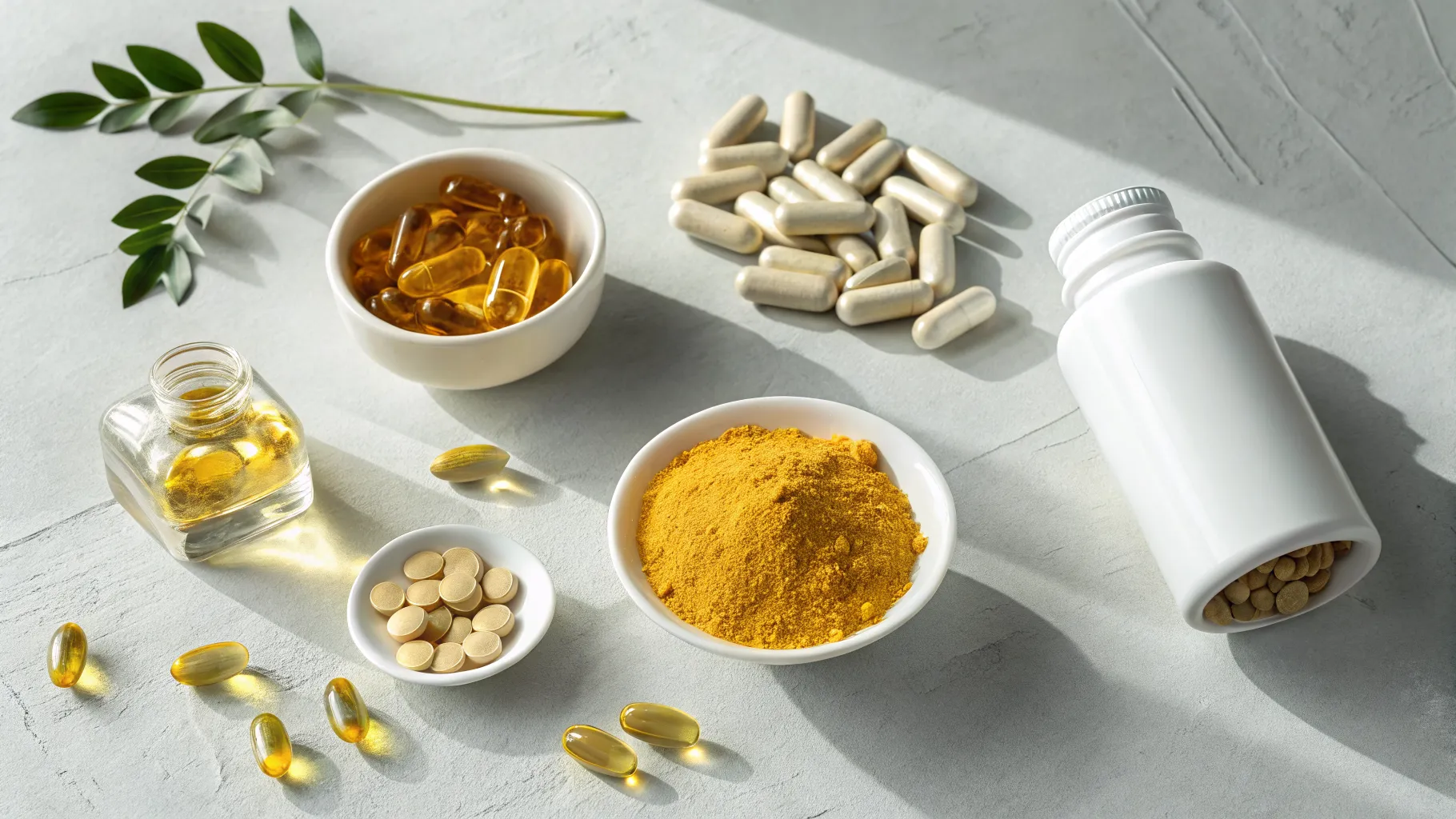
Probiotics: Restoring Gut Flora for Colitis Relief
Probiotics are live microorganisms that confer a health benefit to the host when administered in adequate amounts. For individuals with colitis, the gut microbiome is often imbalanced, a state known as dysbiosis. Probiotics are considered one of the cornerstone ibd supplements because they help restore this balance. By introducing beneficial bacteria, they can help reduce inflammation, strengthen the gut barrier, and modulate the immune system's response. Certain strains, like Lactobacillus and Bifidobacterium, have been studied specifically for their benefits in managing IBD. When searching for ulcerative colitis supplements, a high-quality, multi-strain probiotic is often recommended by healthcare professionals as a foundational element of a support protocol.
Curcumin (from Turmeric): Nature's Anti-Inflammatory Powerhouse
Curcumin is the active compound in turmeric and is renowned for its potent anti-inflammatory properties. It has been extensively studied for its potential to manage chronic inflammatory conditions, making it one of the best supplements colitis patients can consider. Curcumin works by inhibiting multiple inflammatory pathways in the body, which can lead to a reduction in the symptoms associated with colitis flare-ups. However, standard curcumin is poorly absorbed. For this reason, it's crucial to look for formulations that enhance bioavailability, such as those combined with piperine (black pepper extract) or formulated with phytosomes. Integrating curcumin as one of your supplements for colitis can offer a powerful, natural approach to calming intestinal inflammation.
Omega-3 Fatty Acids: Soothing Inflammation System-Wide
Omega-3 fatty acids, particularly eicosapentaenoic acid (EPA) and docosahexaenoic acid (DHA) found in fish oil, are well-known for their anti-inflammatory effects. They work by competing with pro-inflammatory molecules in the body, helping to create a more balanced inflammatory response. For those with colitis, systemic inflammation is a significant concern, and these essential fats can help address it. As effective ibd supplements, omega-3s can support not only gut health but also joint health and overall well-being, which are often compromised in individuals with chronic IBD. Sourcing a high-quality, purified fish oil is essential to ensure you receive the benefits without contaminants, making it a valuable part of a regimen of supplements for colitis.
Vitamin D: The Sunshine Vitamin's Role in Immune Health
A growing body of research links vitamin D deficiency to an increased risk and severity of IBD, including ulcerative colitis. Vitamin D plays a critical role in modulating the immune system, and maintaining adequate levels is vital for controlling the abnormal immune response that characterizes colitis. Many people with IBD are found to have low levels of this crucial vitamin, partly due to reduced sun exposure or malabsorption. Therefore, vitamin D is often recommended as one of the key ulcerative colitis supplements. Regular testing and supplementation under a doctor's guidance can help ensure levels are optimal, supporting a more balanced immune function and potentially reducing disease activity.
Other Promising Colitis Natural Supplements to Consider
Beyond the primary supplements, several other natural compounds have shown promise in supporting individuals with colitis.
Psyllium Husk
While fiber can be tricky for some with IBD, psyllium is a soluble fiber that can form a gel-like substance in the gut. For some, it can help regulate bowel movements and has been shown to help maintain remission in ulcerative colitis by producing butyrate, a short-chain fatty acid that nourishes colon cells.
Boswellia Serrata
Also known as Indian frankincense, Boswellia is an herbal extract that contains boswellic acids, which have anti-inflammatory properties. It has been investigated as a promising colitis natural supplement, with some studies suggesting it may be as effective as certain medications in reducing symptoms.
Glutamine
L-glutamine is an amino acid that serves as a primary fuel source for the cells lining the intestines. It plays a critical role in maintaining the integrity of the gut barrier. Supplementing with glutamine may help heal a 'leaky gut' and support tissue repair in an inflamed colon.
How to Choose the Best Supplements for Colitis
Navigating the world of supplements can be overwhelming. To ensure safety and efficacy, follow these actionable steps when selecting supplements for colitis:
- Consult a Healthcare Professional: Always discuss any new supplements with your gastroenterologist or a registered dietitian. They can provide personalized advice based on your specific condition and current medications to avoid potential interactions.
- Prioritize Third-Party Testing: Look for products that have been independently tested by organizations like NSF International, USP, or ConsumerLab.com. This certification ensures the product contains what it claims and is free from contaminants.
- Check for Bioavailability: Choose supplements formulated for optimal absorption. As mentioned with curcumin, a supplement is only effective if your body can use it. This is a key factor when evaluating the best supplements colitis products.
- Start Low and Go Slow: When introducing a new supplement, begin with a lower dose to assess your tolerance. You can gradually increase to the recommended dosage as tolerated, minimizing the risk of digestive upset.
Frequently Asked Questions
What are the most researched supplements for colitis?
The most extensively studied supplements for colitis include probiotics, curcumin (turmeric), and omega-3 fatty acids (fish oil). These have a significant amount of scientific literature supporting their anti-inflammatory and gut-supportive properties for individuals with IBD.
Can ulcerative colitis supplements replace my medication?
No. It is critical to understand that ulcerative colitis supplements should be used as complementary therapies to your prescribed medical treatment, not as replacements. Always consult with your doctor before making any changes to your treatment plan. They are meant to support your overall health and potentially reduce symptoms alongside conventional care.
How long does it take for colitis natural supplements to work?
The timeframe for seeing benefits from colitis natural supplements can vary greatly depending on the individual, the supplement, and the severity of the condition. Some people may notice improvements within a few weeks, while for others it may take two to three months of consistent use to see a noticeable effect.
References
- Journal of Crohn's and Colitis studies on Probiotics in IBD
- Systematic reviews on Curcumin for Ulcerative Colitis management
- Annals of Gastroenterology on Omega-3 Fatty Acids and Inflammation
- Nutrients journal research on Vitamin D status in IBD patients