Subtle Clues: Recognizing the Early Signs of Osteoporosis
Osteoporosis is a health condition that weakens bones, making them fragile and more likely to break. It develops slowly over several years and is often only diagnosed when a fall or sudden impact causes a bone to fracture. Because it typically lacks obvious symptoms in its initial phases, recognizing the less apparent, early signs is crucial for timely intervention and treatment. Awareness of these indicators can help you and your healthcare provider make informed decisions about your bone health before a more serious issue occurs.
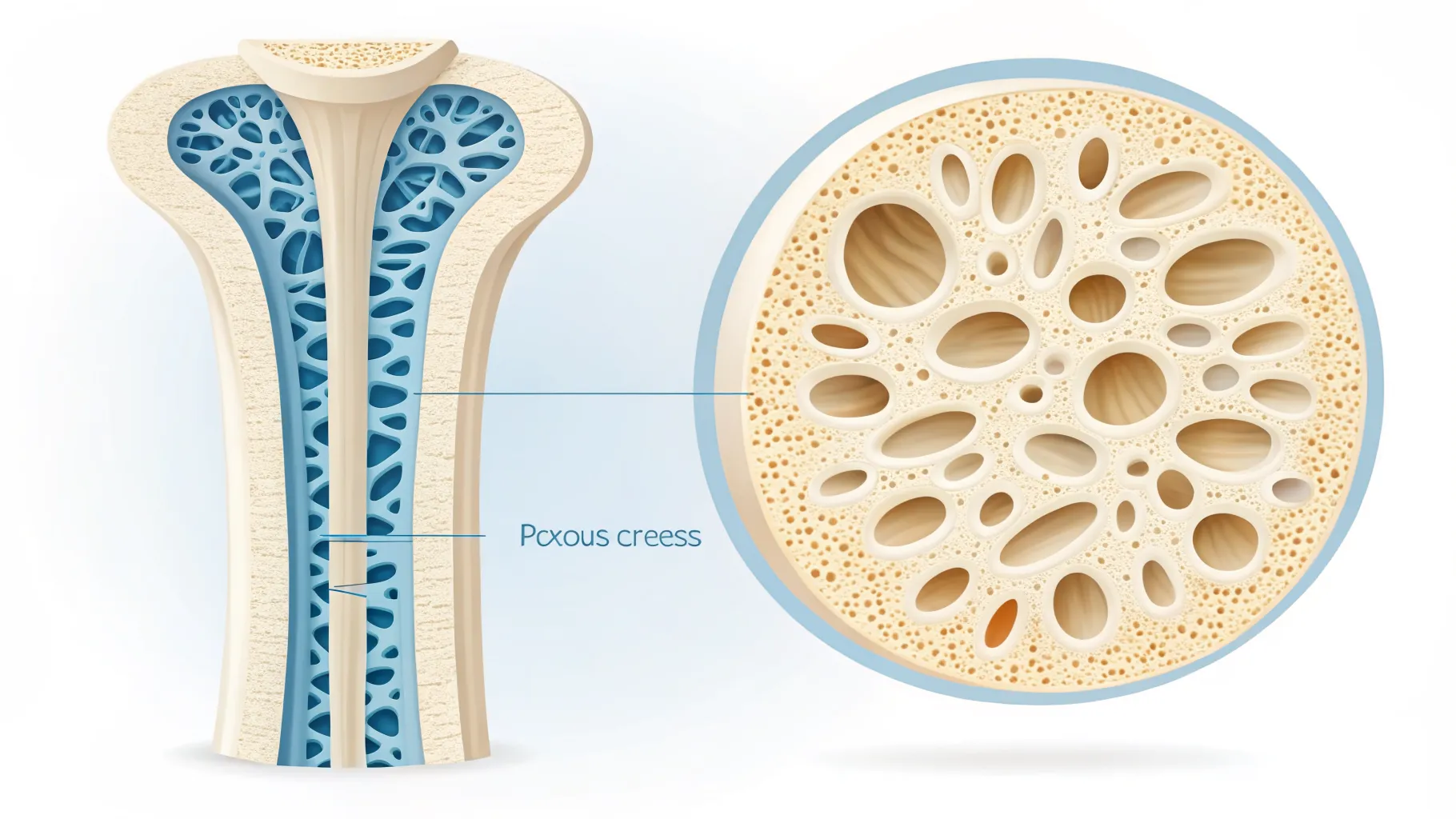
Understanding Bone Density and Its Decline
Our bones are living tissues that are constantly being broken down and replaced. This process is called bone remodeling. Osteoporosis occurs when the creation of new bone doesn't keep up with the removal of old bone. For many people, bone mass peaks in their early 20s. As we age, we may start to lose bone mass faster than we create it, leading to a gradual decline in bone density.
Several factors can accelerate this process, including genetics, hormonal changes (especially after menopause in women), certain medical conditions, and lifestyle choices like a lack of calcium or physical activity. In its early stages, this loss of bone density is known as osteopenia. If left unaddressed, osteopenia can progress to osteoporosis, significantly increasing the risk of fractures, particularly in the hip, spine, and wrist.
A Weaker Grip Strength
While you might not associate hand strength with your skeleton, some research has found a direct link between grip strength and bone mineral density. Studies have shown that low grip strength can be a marker for low bone density in postmenopausal women. A weakened grip may be an indicator of overall declining muscle mass and strength, which are often connected to bone health.
This doesn't mean a weak grip automatically signals osteoporosis, but it can be a part of a larger picture. If you notice a significant decrease in your ability to grip objects firmly, it might be worth discussing with a healthcare professional as part of a broader health assessment. They can help determine if it's related to muscle loss, bone health, or another underlying issue.
Receding Gums and Tooth Loss
Your jawbone supports your teeth, and like other bones in your body, it is susceptible to bone loss. If the jaw loses bone density, your gums may begin to recede. Dentists can sometimes be the first to spot potential signs of osteoporosis by observing bone loss in the jaw through dental X-rays. While gum recession can be caused by various dental issues, significant jawbone loss could be an indicator of bone loss in other parts of the body as well.
Additionally, tooth loss in older adults can sometimes be linked to lower bone mineral density in the jaw and other skeletal sites. If your dentist expresses concern about jawbone density, it could be a prompt to investigate your overall bone health with your primary care physician.
Brittle and Weak Fingernails
The connection between fingernail health and bone health is still a subject of ongoing research, and it is not a definitive diagnostic tool. However, some people report that their nails become brittle and break easily as an early sign of bone changes. Both bones and nails contain collagen, but the type and structure are different. While weak nails are more commonly linked to factors like nutritional deficiencies or exposure to harsh chemicals, some studies suggest a potential link.
Consider brittle nails as a minor clue rather than a standalone symptom. If you experience this alongside other potential signs or have significant risk factors for osteoporosis, it could be another piece of information to share with your doctor. It highlights the importance of observing your body's subtle changes as a whole.
Changes in Posture and Height
One of the more noticeable signs, which often appears after the disease has progressed somewhat, is a change in posture or a loss of height. Osteoporosis can cause the vertebrae in the spine to weaken and collapse. These small compression fractures may be painless, so you might not even realize they are happening. Over time, they can lead to a stooped or hunched posture, a condition known as kyphosis.
A gradual loss of height is another result of these vertebral compression fractures. Losing an inch or more in height can be a significant red flag. While a small amount of height loss is a normal part of aging as the discs between vertebrae compress, a more substantial decrease warrants a medical evaluation to check for osteoporosis.
Unexplained Aches and Pains
General aches and pains, especially in the back, are common and can be attributed to many things. However, persistent back pain that occurs without a specific injury could be related to tiny fractures in the vertebrae. When bones lose density, they are less able to support the body's weight and structure, leading to stress on the spine.
This type of pain may be dismissed as a normal part of getting older, but if it is persistent and has no other clear cause, it's a valid reason to consult a doctor. They can help determine if the discomfort is muscular, related to arthritis, or potentially a sign of weakening bones that requires further investigation through a bone density scan.
When to Consult a Healthcare Professional
If you notice any of these signs or have significant risk factors for osteoporosis, it's important to speak with a healthcare provider. Key risk factors include being postmenopausal, having a family history of osteoporosis, long-term use of certain medications like steroids, and having certain medical conditions such as rheumatoid arthritis or an overactive thyroid.
A doctor can assess your risk and may recommend a bone mineral density test, commonly known as a DEXA scan. This simple and painless test is the most reliable way to diagnose osteopenia and osteoporosis. Early diagnosis allows for lifestyle adjustments and treatments that can help slow bone loss and reduce the risk of future fractures.