Stunning Grass Landscaping Ideas to Transform Your Yard
Facts:
- A healthy lawn can be up to 30°F cooler than asphalt.
- Sustainable lawn design concepts are a major trend for homeowners.
Transforming Your Outdoor Space: The Core of Grass Landscaping Ideas
Reimagining your yard begins with a solid foundation of creative grass landscaping ideas. A lush, well-designed lawn is more than just green space; it's the canvas for your entire outdoor living area. Whether you're aiming for a pristine, minimalist look or a vibrant, textured garden, understanding key lawn design concepts is crucial. This guide provides in-depth outdoor landscaping inspiration to help you craft a beautiful and functional grass-centric landscape that enhances your home's curb appeal and provides a relaxing retreat for years to come.
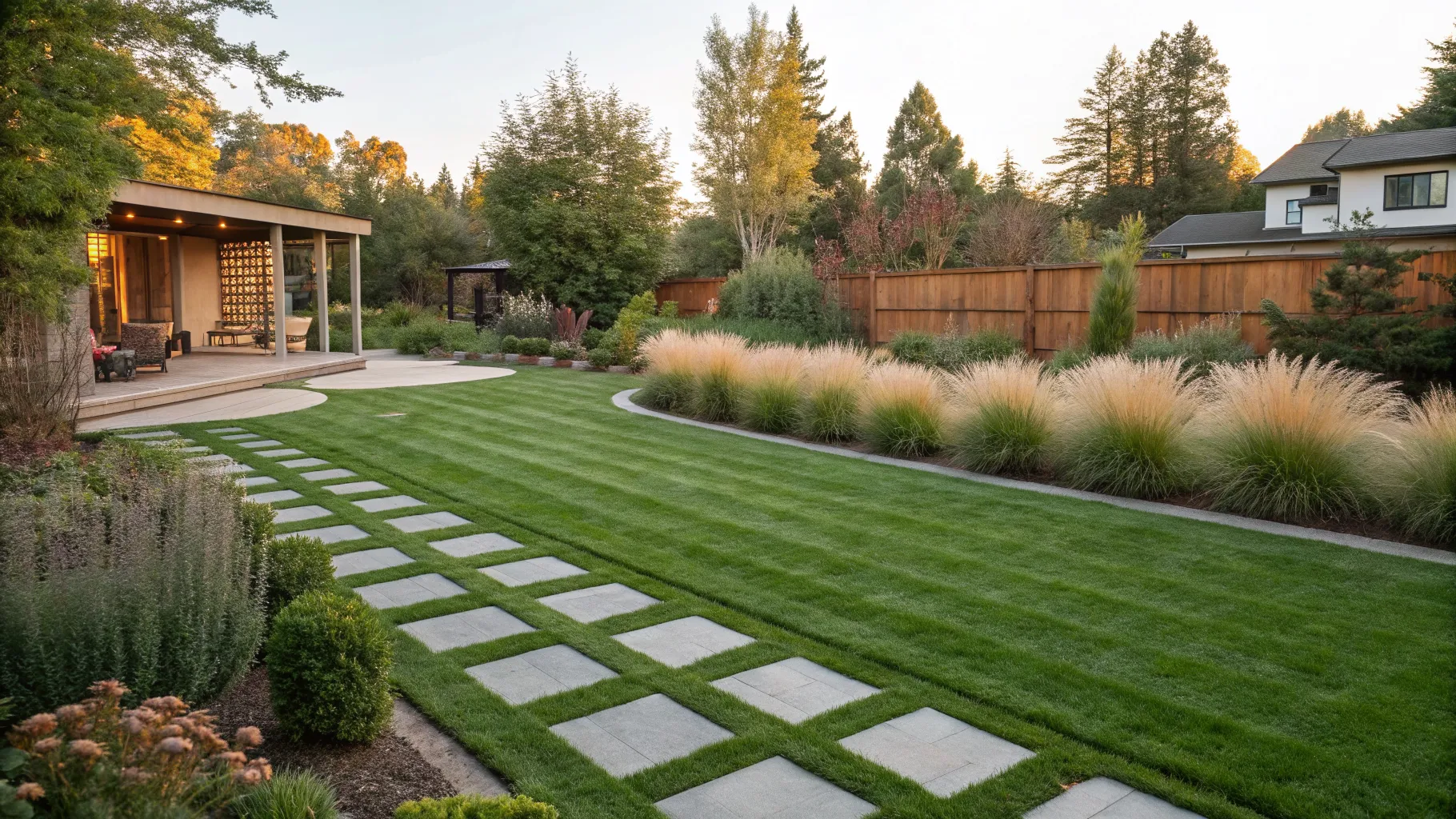
Foundational Lawn Design Concepts for Maximum Impact
Before you start digging, it's essential to grasp the foundational principles behind effective grass yard design. The first step is to assess your space: consider the amount of sunlight, soil type, and existing landscape features. A successful design works with, not against, the natural environment. Think about the flow and function of your yard. Do you need open areas for recreation, or are you looking for winding paths and secluded nooks? These initial considerations will shape all your subsequent lawn landscaping ideas. The goal is to create a cohesive look that blends seamlessly with your home's architecture. Integrating a variety of textures and heights, even within the grassy areas, can add depth and visual interest, turning a simple lawn into a dynamic piece of art.
Exploring Different Grass Types and Textures
Not all grass is created equal. The type of turf you choose is one of the most impactful grass landscaping ideas you can implement. The choice affects not only the look but also the maintenance requirements. Cool-season grasses like Kentucky Bluegrass or Fescue thrive in northern climates, offering a rich, dense carpet of green. In contrast, warm-season grasses such as Bermuda or Zoysia are better suited for hotter, sunnier regions and are known for their drought tolerance. Beyond type, consider texture. Mixing fine-bladed grasses with broader ornamental varieties can create stunning visual contrast. This approach is a cornerstone of modern lawn design concepts, moving away from monochrome lawns towards more diverse and ecologically sound landscapes. This is where your outdoor landscaping inspiration can truly shine.
Integrating Hardscaping with Your Lawn Landscaping Ideas
A truly spectacular grass yard design often involves the smart integration of hardscaping elements. These non-plant features—like stone patios, wooden decks, pathways, and retaining walls—provide structure, define spaces, and offer a beautiful contrast to the softness of the turf. When planning your lawn landscaping ideas, think about how these elements will interact. A curving flagstone path can guide the eye through the landscape, making the yard feel larger and more inviting. A low stone wall can create a raised garden bed or elegantly terrace a sloped yard. The interplay between the green lawn and these solid structures is a key element of sophisticated outdoor landscaping inspiration, providing both beauty and utility.
Practical Steps for a Stunning Grass Yard Design
Turning your vision into reality requires a practical plan. Here are actionable steps based on proven lawn design concepts to get you started:
- Soil Preparation is Key: Before planting, properly test and amend your soil. Healthy soil is the foundation of a lush lawn. Aerating, dethatching, and adding organic compost will significantly improve grass health and reduce future maintenance.
- Choose the Right Grass Seed or Sod: Based on your climate and sun exposure, select the appropriate grass type. This is a critical step in any successful collection of grass landscaping ideas. Don't just choose what looks good at the store; research what thrives in your specific zone.
- Incorporate Strategic Edging: Create clean, defined lines between your lawn and garden beds or pathways. Using materials like steel, stone, or brick edging prevents grass from creeping into other areas and gives your grass yard design a professional, polished look.
- Plan for Smart Irrigation: Water is essential, but overwatering can be just as harmful as underwatering. Install a smart irrigation system or use soaker hoses to deliver water efficiently to the roots. This conserves water and promotes deeper root growth.
- Layer with Complementary Plants: Frame your lawn with borders of perennials, shrubs, and ornamental grasses. This layering technique adds color, texture, and height, turning a simple lawn into a complete landscape. This is where you can find endless outdoor landscaping inspiration.
Frequently Asked Questions
What are some simple grass landscaping ideas for beginners?
For beginners, start with the basics: ensure your lawn is healthy by focusing on proper mowing, watering, and fertilization. A simple yet effective idea is to create clean, curved edges along walkways and flower beds. Adding a few strategically placed ornamental grasses can also add texture and height with minimal effort. These are foundational lawn landscaping ideas that make a big impact.
How can I make my grass yard design more interesting?
To add interest to your grass yard design, think beyond a flat, uniform surface. Incorporate gentle slopes or berms to create varying levels. Use a mix of grass textures, and integrate curving pathways made of stone or mulch. A focal point, like a birdbath, a small statue, or a specimen tree, can also draw the eye and add a professional touch to your lawn design concepts.
What are some low-maintenance lawn landscaping ideas?
Low-maintenance lawn landscaping ideas often focus on sustainability. Choose native grass varieties that are adapted to your local climate and require less water and fertilizer. Incorporate large mulched areas with drought-tolerant plants to reduce the amount of lawn you need to mow. Using high-quality, slow-release fertilizers also reduces the frequency of application.
References
- The National Association of Landscape Professionals
- University Agricultural Extension Programs
- Home & Garden Design Journals