Stomach Cancer in 2026: A Comprehensive Guide to Symptoms & Treatment
🗣️ Fast Facts:
- Early Detection: Significantly improves prognosis and treatment success rates.
- Targeted therapies advancing for patients with HER2-positive tumors.
- Your Area has specialized oncologists for Stomach Cancer treatment.
Understanding Stomach Cancer: Diagnosis & Outlook
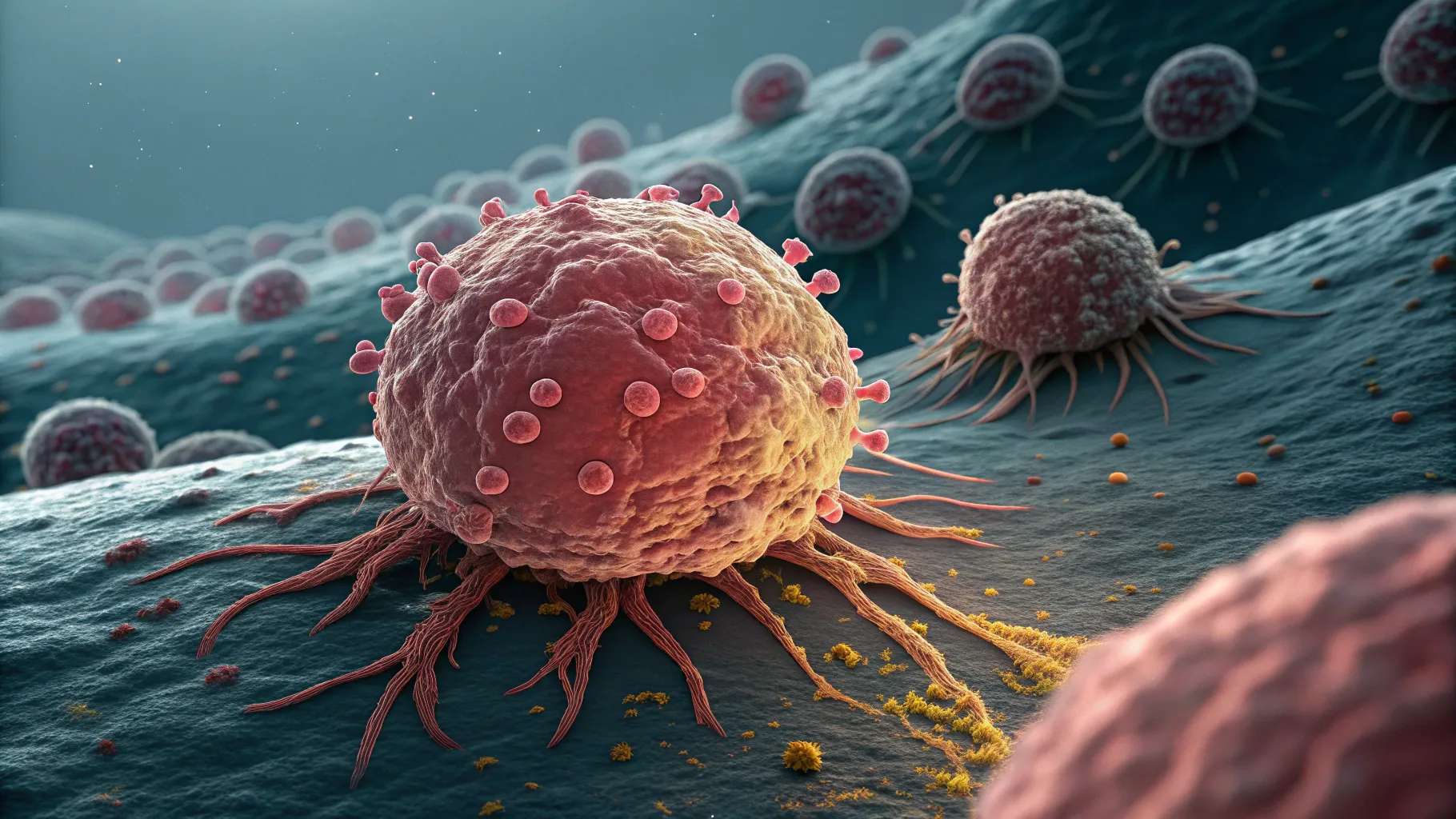
Stomach cancer, also known as gastric cancer, begins when cells in the stomach start to grow out of control. As we look towards advances in oncology, understanding the landscape of Stomach Cancer 2026 is crucial for patients and families seeking the best possible outcomes. Early diagnosis and access to modern treatments, including targeted therapy and immunotherapy, are transforming the prognosis for many individuals affected by this disease.
Key Benefits of Modern Treatment Approaches
- Targeted Therapy: Precisely targets cancer cells, often with fewer side effects than traditional chemotherapy.
- Immunotherapy: Boosts the body's own immune system to recognize and fight cancer cells more effectively.
- Minimally Invasive Surgery: Techniques like laparoscopic and robotic surgery can lead to faster recovery times and less post-operative pain.
- Advanced Screening: Improved endoscopic techniques allow for earlier detection of precancerous changes.
Comparing Treatment Modalities
While traditional chemotherapy remains a cornerstone of treatment, it is often compared with newer options. Targeted therapy, for instance, is effective for tumors with specific genetic markers (like HER2 or PD-L1) and typically has a more focused action. Immunotherapy works differently by unleashing the immune system, which can provide long-lasting responses in some patients. The choice between surgery, chemotherapy, radiation, and these newer therapies depends on the cancer's stage, location, and the patient's overall health profile.
Essential Patient Checklist
- Recognize Symptoms: Be aware of persistent indigestion, nausea, stomach pain, unexplained weight loss, and feeling full after eating small amounts.
- Seek Medical Advice: Consult a gastroenterologist or your primary care physician if you experience concerning symptoms.
- Undergo Diagnosis: Prepare for diagnostic tests which may include an upper endoscopy, biopsy, and imaging scans (CT, PET).
- Get a Second Opinion: Consider consulting with another oncology team to confirm your diagnosis and treatment plan.
- Discuss Genetic Testing: Ask your doctor if molecular or genetic testing of your tumor is appropriate to guide treatment.
Frequently Asked Questions
What are the main risk factors for stomach cancer?
Key risk factors include infection with Helicobacter pylori (H. pylori) bacteria, a diet high in smoked or salty foods, smoking, obesity, and a family history of the disease.
Is stomach cancer preventable?
While not entirely preventable, you can lower your risk by treating H. pylori infections, adopting a healthy diet rich in fruits and vegetables, avoiding tobacco, and maintaining a healthy weight.
What is the prognosis for Stomach Cancer 2026?
The prognosis varies greatly depending on the stage at diagnosis. With ongoing research in targeted therapy and immunotherapy, survival rates, especially for advanced stages, are expected to continue improving into 2026 and beyond. Early-stage detection offers the best chance for a cure.
References
- American Cancer Society. (2025). Key Statistics for Stomach Cancer.
- National Cancer Institute (NCI). (2025). Stomach (Gastric) Cancer Treatment (PDQ®)–Patient Version.
- World Health Organization (WHO). (2025). GLOBOCAN 2024: Stomach Cancer Facts.