Stay Osteoporosis Safe After 50 Essential Tips and Insights
Understanding Osteoporosis Risk After 50
As we navigate the journey of life, particularly after crossing the age of 50, our bodies undergo various changes that can profoundly impact our health. A significant health concern for many older adults is osteoporosis. This condition leads to weakened bones, which drastically increases the likelihood of fractures. Recent statistics reveal that nearly 54 million Americans are currently at risk for or battling osteoporosis. Therefore, it is vital to comprehend the risks and preventive strategies associated with this condition to maintain a healthy lifestyle. In this article, we'll explore essential osteoporosis management tips, identify bone health risk factors, and spotlight symptoms to watch for.
The Aging Process and Its Effects on Bone Health
As we age, our bodies become less efficient in various processes, leading to a natural decline in bone density. Hormonal shifts have a critical impact on bone health, especially in women who face a significant drop in estrogen levels after menopause. Such a decline often leads to a rapid loss of bone mass. Interestingly, men are also at risk; studies show that fracture rates in men over 70 can be startlingly similar to those in women, thus underscoring the importance of being aware of osteoporosis regardless of gender.
- Family History: Individuals with a family history of osteoporosis are statistically more likely to develop the condition themselves. Understanding your family health history is crucial.
- Body Size: People with smaller body frames generally have a higher risk of developing osteoporosis since they have less bone mass.
- Chronic Health Conditions: Medical issues, including rheumatoid arthritis, diabetes, and even certain gastrointestinal diseases, can hinder the body’s ability to maintain healthy bone density.
- Medications: Long-term usage of medications like corticosteroids is linked to reduced bone density, making it vital to evaluate the impact of any long-term medications.
Recognizing these bone health risk factors is essential for anyone over the age of 50. Engaging in informed health discussions with your healthcare provider can help guide actions to reduce risk. Recent studies suggest that awareness of genetic predisposition has augmented, encouraging individuals to consider genetic testing to ascertain their osteoporosis risk.
Key Signs of Osteoporosis to Recognize
A harsh reality is that many people remain unaware of their osteoporosis until they sustain a fracture. Remaining attentive to these warning signs can pave the way for earlier diagnosis and intervention:
- Unexpected fractures from minor falls or even simple accidents—a common and often preventable occurrence.
- A gradual loss of height over the years, often associated with a hunched posture.
- Persistent back pain that may stem from fractured or collapsed vertebrae, leading to chronic discomfort and decreased quality of life.
- A consistent feeling of bone pain or a noticeable drop in physical strength, which can indicate declining bone health.
If you notice any of these signs or identify with the risk factors mentioned, it is critical to arrange a consultation with your healthcare provider. Diagnostic tools, such as bone density scans, are crucial for evaluating bone health and determining appropriate treatment options.
Adopting a Healthier Lifestyle to Prevent Osteoporosis
Ensuring strong bones into later life heavily relies on lifestyle choices. Incorporating these effective osteoporosis management tips into daily routines can significantly enhance bone health as you age:
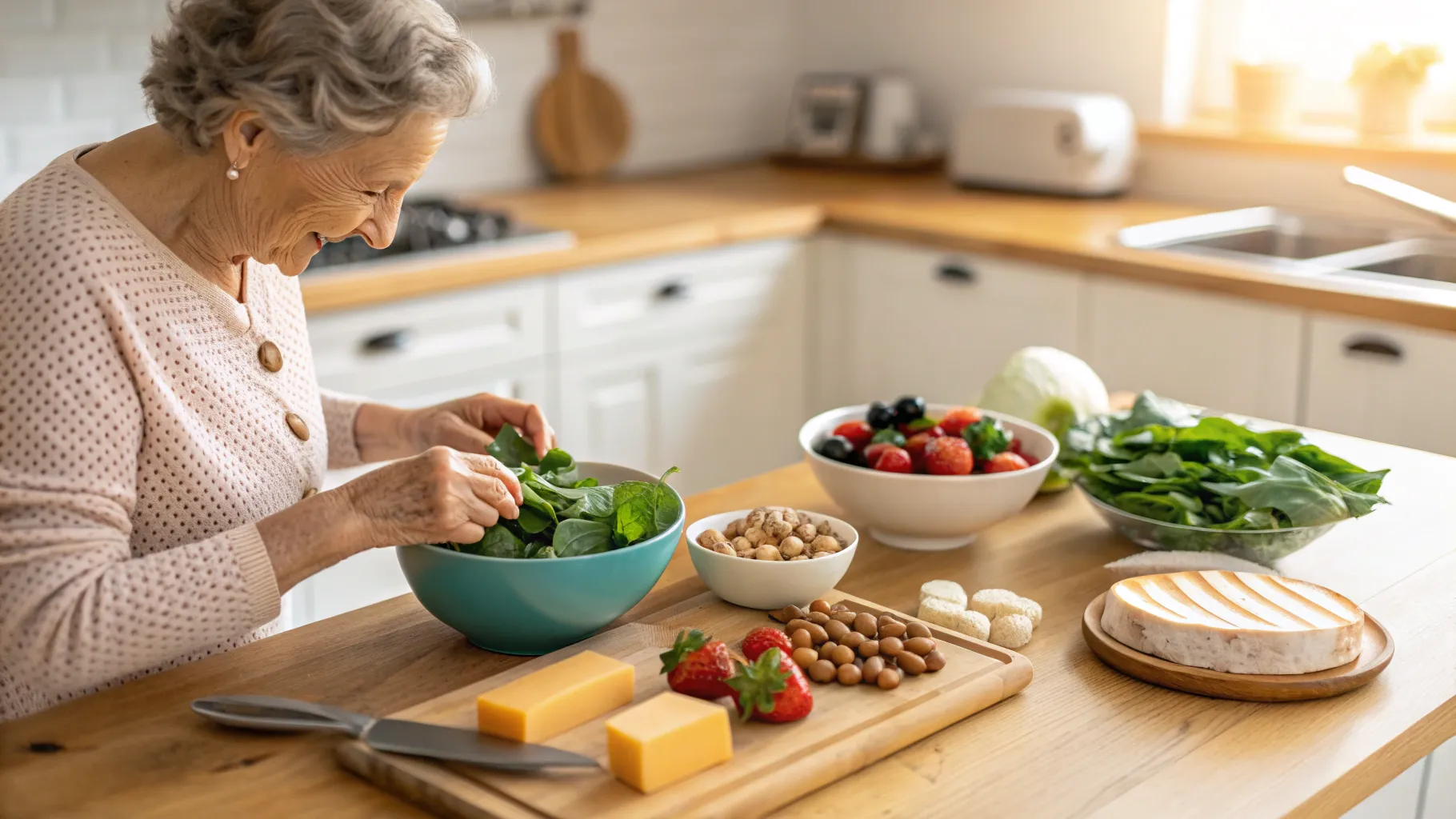
- Balanced Nutrition: A diet high in calcium and vitamin D is paramount for bone health. Foods like dairy products, leafy greens, nuts, and fortified cereals pack essential nutrients. Aim for 1200 MG of calcium and 800-1000 IU of vitamin D daily to strengthen your bones.
- Regular Exercise: Engaging in weight-bearing and resistance training exercises is crucial. Activities such as walking, jogging, and other forms of resistance training not only help to preserve existing bone density but can also stimulate the growth of new bone.
- Avoid Smoking and Limiting Alcohol: Smoking is linked to losses in bone density, while excessive alcohol consumption can severely limit calcium absorption within the body.
- Fall Prevention Strategies: Implementing preventive measures at home and beyond can curb fall risks. Keeping pathways clear, using non-slip mats, and wearing appropriate footwear can make a significant difference.
Incorporating these healthy lifestyle changes can lead to incredibly positive outcomes in combating osteoporosis and will enhance overall well-being. Regular medical evaluations and bone density screenings are equally vital for monitoring bone health progress and planning future preventive measures.
Recent Research and Statistics on Osteoporosis
According to current projections, osteoporosis-related fractures are expected to increase by a staggering 40% by 2025. This alarming trend emphasizes the urgent need for effective educational initiatives and preventive measures. Thankfully, there is promising news on the horizon—recent studies have unveiled innovative medications that show efficacy in increasing bone density and reducing fracture risks. These advancements offer newfound hope for seniors facing osteoporotic challenges.
Moreover, community health initiatives focused on enhancing awareness about osteoporosis have gained momentum. Programs designed specifically for seniors have exhibited success in educating older adults about the inherent risks and the advantages of preventive measures. Participating in health workshops or seminars can further empower individuals with vital information regarding healthy aging.
In today’s environment, osteoporosis poses significant challenges impacting a considerable number of adults over 50. Recognizing the risks and actively working to implement healthy lifestyle shifts—such as better nutrition, consistent exercise, and regular medical evaluations—can substantially improve bone health while minimizing fracture risks. By prioritizing education and proactive health management, we can ensure that aging leads to a fulfilling, healthy life.