Understanding The Symptoms of Back Osteoarthritis
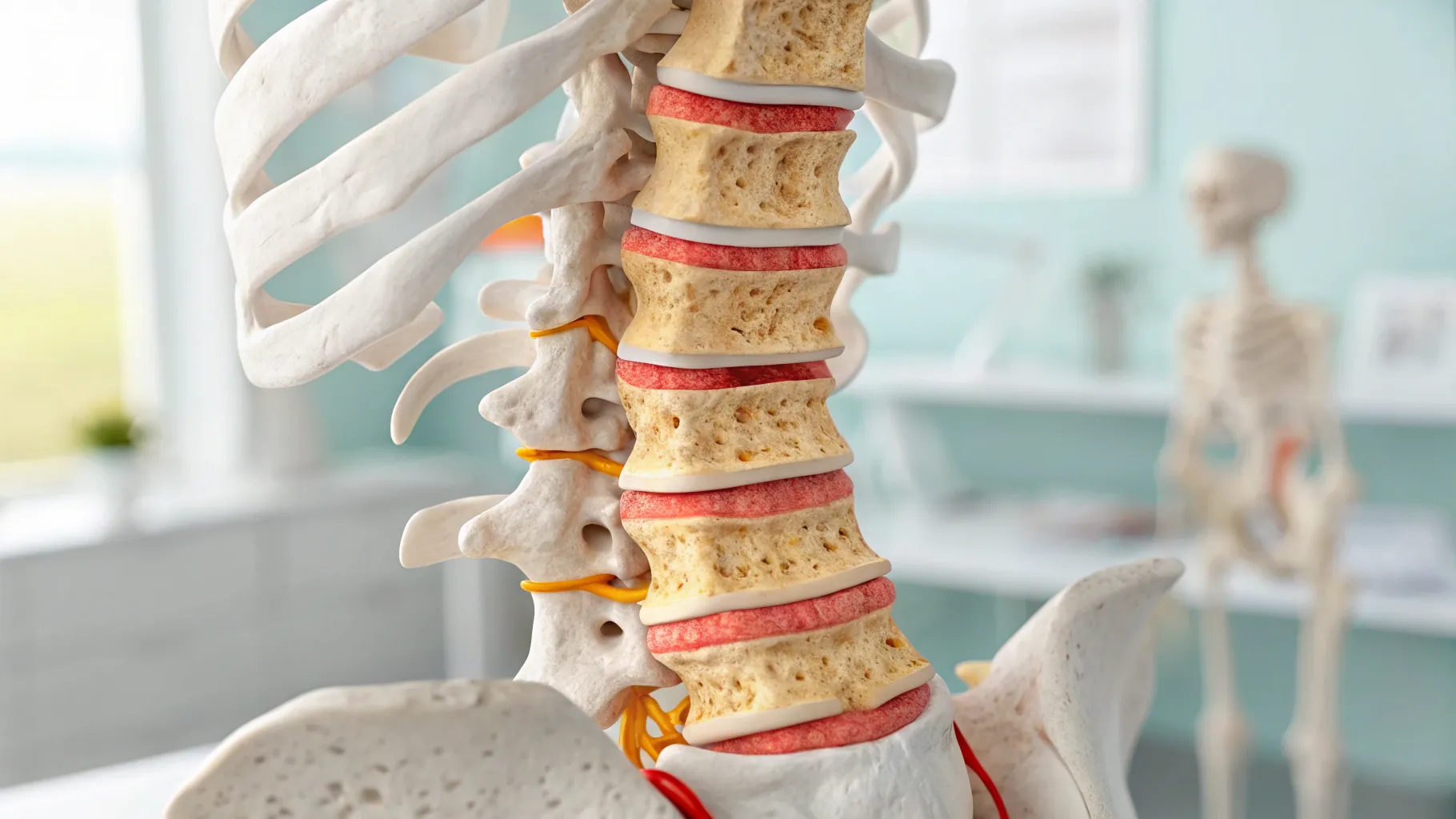
Understanding Back Osteoarthritis in 2025
Back osteoarthritis, commonly referred to as spinal osteoarthritis, is increasingly prevalent among individuals, particularly those over the age of 65. As of now in 2025, recent studies indicate that nearly 29% of this demographic is affected. With a continually aging global population, it's vital to grasp the nuances of this degenerative joint disease, which primarily impacts the spine, resulting in wear and tear of the vertebrae and surrounding cartilage.
Stages and Symptoms of Spinal Osteoarthritis
Understanding the stages of spinal osteoarthritis can aid individuals in addressing their symptoms effectively. The condition progresses through several identifiable stages, each presenting distinct challenges:
- Stage 1: Initial Changes – This stage involves minor degenerative changes that often go unnoticed. Many individuals report slight discomfort or stiffness, particularly after long periods of inactivity. Since symptoms can be trivialized as "normal aging," early recognition is crucial for prevention.
- Stage 2: Early Symptoms – At this point, cartilage starts to degrade more noticeably. Patients may experience localized pain during movement or after physical activity, signaling the importance of lifestyle reassessment. Engaging in more active habits can mitigate this progression.
- Stage 3: Advanced Degeneration – These conditions escalate into chronic pain and limitations in mobility. Decreased quality of life leads many to seek advice from healthcare professionals to create an individualized treatment strategy. This intervention is critical at this stage.
- Stage 4: Severe Osteoarthritis – The most advanced stage presents debilitating pain coupled with significant physical restrictions. Patients may experience radiating pain and potential nerve compression. It is essential for individuals at this stage to consider advanced treatments, including surgical options.
The symptoms of spinal osteoarthritis can vary significantly from one person to another. However, some common signs include:
- Persistent Back Pain: This pain often worsens with physical activity and improves with rest.
- Stiffness: A common complaint, particularly after long periods in one position, whether sitting or sleeping, which can greatly impact daily activities.
- Inflammation: Swelling in inflamed areas results from increased friction in the joints, which can limit movement and contribute to ongoing discomfort.
- Reduced Flexibility: As the condition advances, bending, twisting, or reaching may become increasingly difficult.
- Grinding Sensation: People with spinal osteoarthritis may report a distinct grinding sound during movements, often attributed to the reduction of cartilage cushioning around the joints.
Effective Treatments for Back Osteoarthritis
Successfully managing back osteoarthritis requires a multifaceted approach to address pain while improving mobility. Some of the most relevant treatment options available today have emerged as highly effective:
- Physical Therapy: Customized therapy programs are designed to strengthen the muscles supporting the spine. Many patients find that specific exercises tailored by physical therapists significantly reduce pain and enhance flexibility.
- Medications: Over-the-counter non-steroidal anti-inflammatory drugs (NSAIDs) like ibuprofen help alleviate pain and swelling. For more severe pain, physicians may consider prescribing corticosteroids, which can be very effective.
- Injections: Direct corticosteroid injections can provide immediate localized relief from inflammation and pain for many affected individuals, offering a crucial respite from chronic discomfort.
- Surgical Options: For those who do not respond to traditional treatments, surgical options such as spinal fusion or joint replacement are considered. These interventions can provide significant relief but are typically seen as last resorts.
- Weight Management: Maintaining a healthy weight often plays an instrumental role in alleviating some typical symptoms caused by excess strain on the spine. Diet and exercise programs tailored to individual capabilities can be incredibly helpful.
Many patients report achieving effective management of their arthritis symptoms through lifestyle adjustments, such as regular participation in low-impact exercises like walking and swimming which contribute to sustaining joint function and flexibility.
Back Braces and Topical Pain Relief for Spinal Osteoarthritis
In addition to primary treatments, use of back braces has become increasingly popular among individuals with spinal osteoarthritis. These supportive devices not only provide stability but also help mitigate pressure on the spine's joints. A back brace can be especially beneficial for those engaged in physically demanding activities or those experiencing discomfort during such activities. Consulting with a healthcare provider is essential for selecting the correct type and ensuring proper fit of these braces.
Topical pain relief creams have also gained recognition as viable options for managing localized pain. Many of these creams feature natural ingredients like menthol and capsaicin, creating either a warming or cooling sensation that alleviates discomfort without systemic side effects associated with oral medications. This targeted relief strategy offers significant convenience and effectiveness appreciated by many patients.
As treatment options continue to evolve, patients are empowered to personalize their approaches based on specific needs. Moreover, regular consultations with healthcare professionals are paramount in adapting treatments as conditions change over time. A thorough understanding of back osteoarthritis—from recognizing symptoms to exploring diverse treatment options—enables individuals to continue leading active, fulfilling lives despite challenges.
The ongoing discourse surrounding spinal osteoarthritis helps cultivate a more informed community that can collaboratively identify preventive measures and comprehensive treatment strategies. As more people familiarize themselves with these realities, the potential for improved quality of life increases significantly, providing hope and proactive management for all affected.