Stages of Stroke Recovery Explained
Understanding the Stages of Stroke Recovery
Experiencing a stroke is a life-altering event that drastically shifts the trajectory of one’s life. It’s important to grasp the stages of stroke recovery for both patients and caregivers. This guide on stroke rehabilitation outlines the recovery process, offering key insights into what to expect after a stroke and how to navigate through each stage effectively.
Initial Phase: Acute Recovery
Immediately after a stroke, the patient enters the acute recovery stage, typically lasting from 24 hours to a few days based on the stroke severity. During this period, patients are often treated in a hospital setting, where medical professionals closely monitor their condition. The primary goal is to stabilize the patient's health while minimizing complications. Recent data shows that around 65% of stroke patients achieve some form of stabilization within the first 72 hours post-treatment.
During this crucial phase, neurological assessments are regularly conducted. Medical teams perform various tests to evaluate brain function and damage extent. Advanced imaging techniques like MRI and CT scans are utilized to reveal detailed insights about the stroke's impact. The support provided during this stage is vital, as family members are often educated on stroke specifics and their loved one's emerging health needs.
Rehabilitation Phase: Functional Recovery
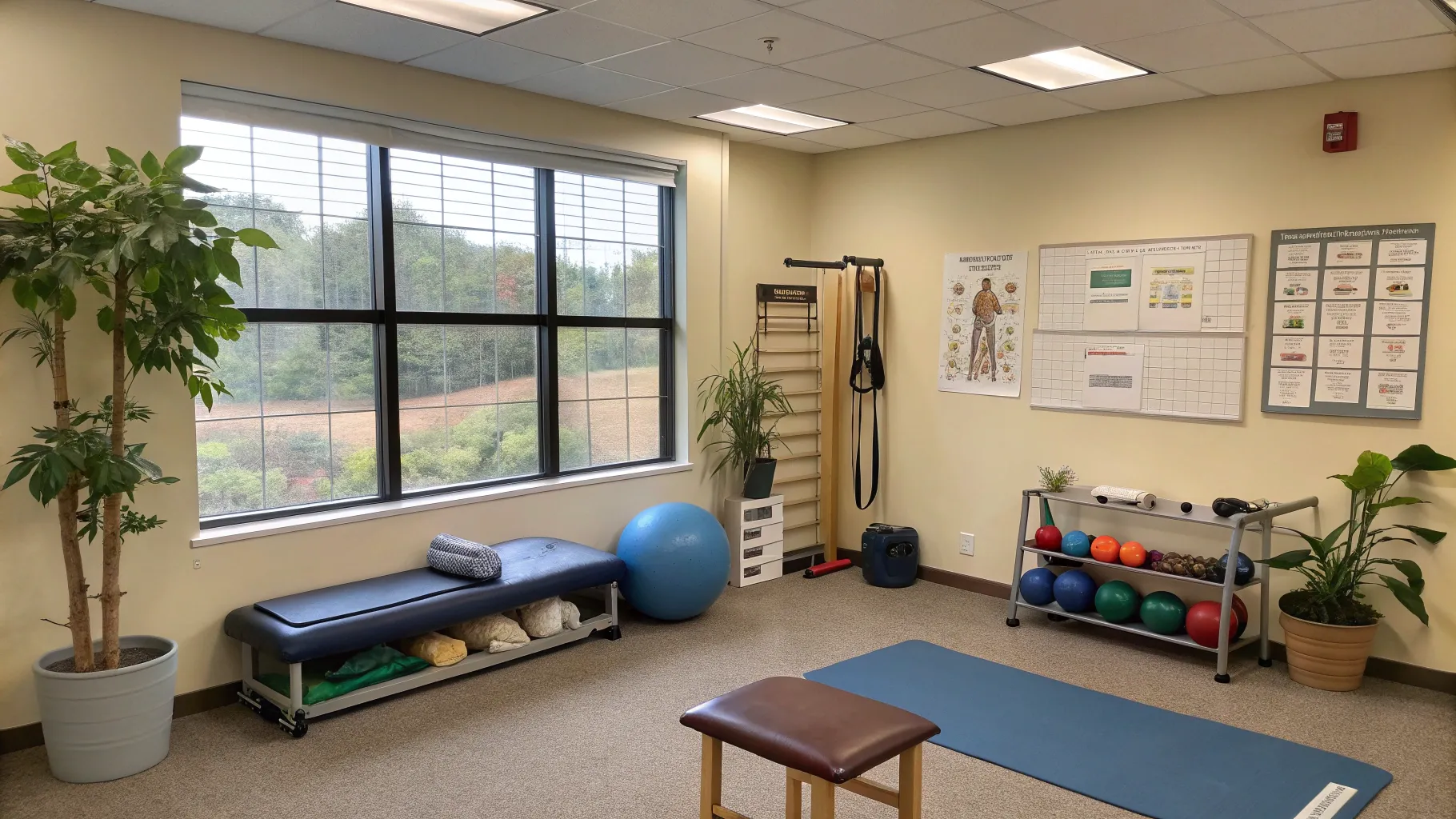
Once a patient is medically stable, they transition into the rehabilitation phase - a critical period where rehabilitation can significantly influence long-term recovery outcomes. In 2025, rehabilitation strategies have advanced tremendously. A combination of physical, occupational, and speech therapies is tailored to meet each patient’s unique needs. This rehabilitation phase can last from several weeks to months and, in some cases, even years depending on the individual’s recovery progress.
- Physical Therapy: This aims to help stroke survivors regain their strength and coordination. Tailored exercises simulate daily activities, aiding patients in reintegrating a sense of normalcy into their lives.
- Occupational Therapy: Here, the focus is on performing daily tasks. This type of therapy enhances fine motor skills and promotes independence, proving essential for survivors.
- Speech Therapy: For those who have trouble speaking or swallowing, enhancing communication skills becomes a primary goal. This therapy can make a significant difference in everyday life.
Case studies from 2025 reveal that intensive rehabilitation can lead to remarkable improvements. One notable example is a 45-year-old male who returned to his profession as a graphic designer after adhering to a dedicated rehabilitation program incorporating all three therapy types. Such success stories illustrate how effective rehabilitation can be in regaining pre-stroke capabilities.
Long-term Recovery: Community Reintegration
As survivors gain functionality, the focus of recovery shifts toward community reintegration. This third stage stresses enhancing social, emotional, and psychological support, and it can last many years. In 2025, communities increasingly create inclusive programs focused on aiding stroke survivors in seamlessly reintegrating into society. These programs offer access to support groups, educational workshops, and social activities that foster connections among stroke survivors.
Research conducted over the past six months indicates that patients actively participating in community integration programs report significantly higher quality of life scores. This involvement helps survivors feel a stronger sense of belonging, proving that rehabilitation isn’t solely confined to medical settings.
Ongoing Management and Health Maintenance
The final stage of stroke recovery emphasizes ongoing management and health maintenance. Survivors are encouraged to adopt a heart-healthy lifestyle, engaging in regular exercise, maintaining a balanced diet, and attending routine check-ups with healthcare providers. Understanding stroke recovery transcends purely physical aspects; mental and emotional well-being is equally vital.
Recent studies published in mid-2025 highlight a concerning statistic: up to 30% of stroke survivors experience depression. Addressing mental health becomes critical during recovery. Psychological counseling and medication may be necessary for those experiencing these challenges. Families are encouraged to recognize signs of depression and promptly seek interventions. The journey to recovery is not just about physical health. Supporting a survivor's mental health is essential in their entire rehabilitation process.
Technology's Role in Recovery
Technology has significantly transformed stroke recovery practices. In recent years, wearable devices and mobile applications have emerged, aiding rehabilitation efforts remarkably. Patients can track their progress through interactive platforms, receive reminders for physical activities, and stay engaged with their rehabilitation protocols. Assistive technology such as speech recognition software and adaptive equipment continues to play a crucial role in improving recovered functional abilities.
The integration of technology has made rehabilitation more accessible, allowing patients to engage in their recovery journey actively. It fosters independence and motivates stroke survivors, as they see tangible progress through the tools available to them in today's digital landscape. With personalized data at their fingertips, many patients find the drive to persevere through rigorous therapy schedules.
Final Thoughts on Stroke Recovery Stages
While the journey through the stages of stroke recovery can feel overwhelming, grasping the process empowers both survivors and caregivers. Each stage presents opportunities for growth and healing, highlighting the importance of patience and perseverance. With current advancements in rehabilitation, technology, and community support, survivors today have more resources at their disposal than ever before. 2025 continues to see the significance of ongoing research refining recovery strategies and improving outcomes for stroke survivors. There are many regional and national support networks that provide community and necessary assistance, enhancing recovery experiences for individuals and their families.
Always prioritize seeking guidance from healthcare professionals. Utilizing every available resource is crucial for achieving a meaningful recovery, and stroke survivors should never hesitate to lean on their support systems during this challenging yet rewarding journey.