Learn About Treatment Options for Managing Spinal Stenosis
Explore Safe Treatment Options for Spinal Stenosis
Spinal stenosis can be a challenging condition marked by the narrowing of the spinal canal, often leading to pain and limited mobility. It's a common issue, particularly in older adults, but there's growing awareness about effective non-surgical treatment options that can significantly enhance quality of life. More people than ever are turning to these safer methods before considering surgery, seeking answers to manage their discomfort without invasive procedures.
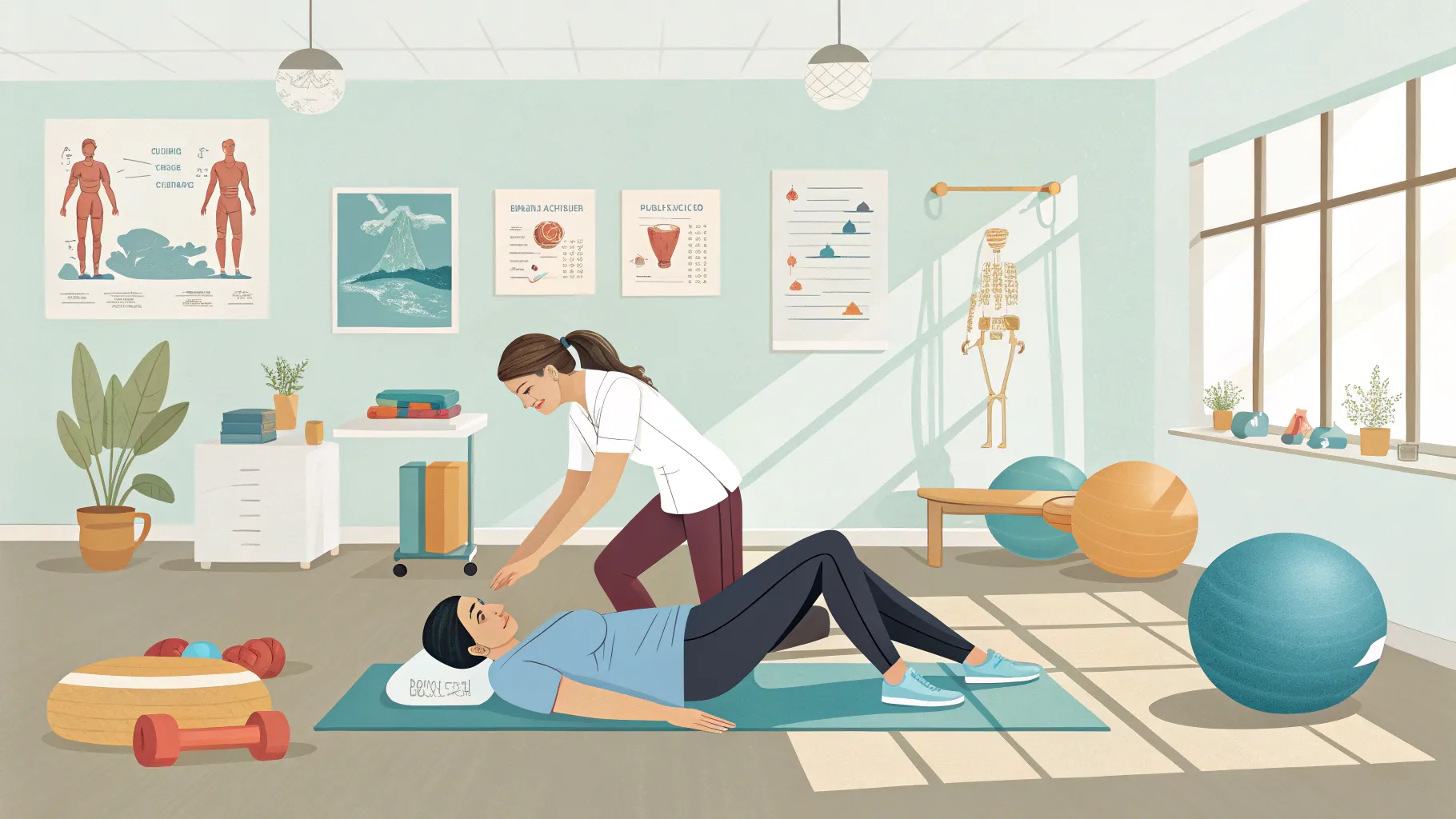
One well-regarded approach is physical therapy. Customized therapy sessions, which often include targeted exercises, can boost flexibility and strength in the back, ultimately alleviating spinal stenosis symptoms. In a recent study from January 2025, it was reported that around 75% of participants experienced a notable reduction in pain after just a couple of months of regular physical therapy. Therapists guide patients to engage in low-impact workouts, such as swimming, cycling, or walking, emphasizing the importance of consistency for the best outcomes.
Chiropractic care is another treatment method gaining popularity. This practice zeroes in on spinal manipulation to restore proper alignment and function of the spine. Feedback from patients highlights that many have found substantial relief from their symptoms after regular chiropractic adjustments. A report published in March 2025 showed that over 65% of patients noted an improvement in their functional abilities post-treatment, showcasing the effectiveness of chiropractic care as a non-surgical option.
Alternative Non-Surgical Spine Care Methods
In addition to physical therapy and chiropractic adjustments, various alternative treatments can effectively assist those dealing with spinal stenosis. Some of these methods include:
- Acupuncture: This traditional Chinese medicine technique is now widely accepted for its pain-relieving benefits. An extensive meta-analysis released in early 2025 involved 160 patients and revealed that approximately 66% noted significant pain relief after a series of acupuncture sessions, making it a promising option for managing chronic pain.
- Medications: Over-the-counter non-steroidal anti-inflammatory drugs (NSAIDs) like ibuprofen are commonly used to manage inflammation and discomfort associated with spinal stenosis. A survey conducted in April 2025 showed that nearly 58% of participants felt a substantial improvement in their pain levels using these medications regularly, marking them as a reliable option for many.
- Corticosteroid Injections: These injections are designed to reduce inflammation and provide temporary relief from pain, allowing patients to engage more effectively in rehabilitation activities. Many individuals have found that with these injections, they can better partake in physical therapy sessions, leading to overall improvement.
Furthermore, incorporating healthy lifestyle changes is essential. Maintaining a balanced diet rich in nutrients, especially calcium and vitamin D, supports bone health, which is crucial for spine integrity. Similarly, regular gentle exercise helps keep the surrounding muscles strong and flexible, which can be protective against further deterioration.
Finding Specialist Care for Spinal Stenosis
For those grappling with spinal stenosis, the importance of consulting experienced healthcare professionals cannot be overstated. Orthopedic surgeons, neurosurgeons, and physiatrists specialize in rehabilitation and pain management and can provide valuable insights through thorough evaluations. These professionals are well-equipped to craft tailored treatment plans based on the patient's specific needs.
According to a 2025 report from the American Academy of Orthopaedic Surgeons, seeking a second opinion has become a crucial step before undergoing surgical interventions. This ensures that patients can consider all available options while enhancing their understanding of their unique conditions. One significant case that emphasized this practice was of a 68-year-old woman who, after seeking multiple evaluations, found that instead of jumping into surgery, she could successfully manage her symptoms through focused physical therapy and chiropractic care—ultimately experiencing a remarkable recovery in just a few months.
Understanding Causes and Preventative Measures for Spinal Stenosis
Knowledge is power when it comes to dealing with spinal stenosis. Many people may not be aware that this condition typically arises from age-related changes in the spine, such as osteoarthritis or disc degeneration. A recent epidemiological study emphasized that nearly 90% of individuals aged 50 and over exhibit some form of spinal stenosis, highlighting its prevalence.
To reduce the risk factors associated with spinal stenosis, lifestyle adjustments can have a vast effect:
- Posture Matters: Maintaining good posture can vastly reduce undue strain on the spine. Simple changes, such as using ergonomic chairs, can optimize spinal alignment during daily activities.
- Stay Mobile: Regular physical activity enhances spinal flexibility and strength. Activities like yoga or Pilates can strengthen the core muscles that support the spine.
- Quit Smoking: Smoking is surprisingly linked to spinal degeneration, which can exacerbate conditions like stenosis. Quitting smoking not only improves overall health but also benefits spinal well-being.
- Nutrition Plays a Key Role: A well-balanced diet can help protect your spine. Foods rich in calcium, vitamin D, and other nutrients are crucial in maintaining bone strength and health.
As awareness of spinal health grows, so too does access to effective and non-invasive treatment options for spinal stenosis. By engaging in regular communication with healthcare providers and making informed lifestyle choices, individuals can successfully manage their condition while enjoying an enhanced quality of life. The journey may be challenging, but with the right resources and support, many can find comfort and regain mobility and joy in daily activities.
So whether you're exploring physical therapy options or need to consult specialists, know that your health journey with spinal stenosis is not one you need to navigate alone. An informed approach to your treatment can have profound effects, paving the way for a healthier, more active life.