Spinal Stenosis Overview Causes Symptoms and Treatments
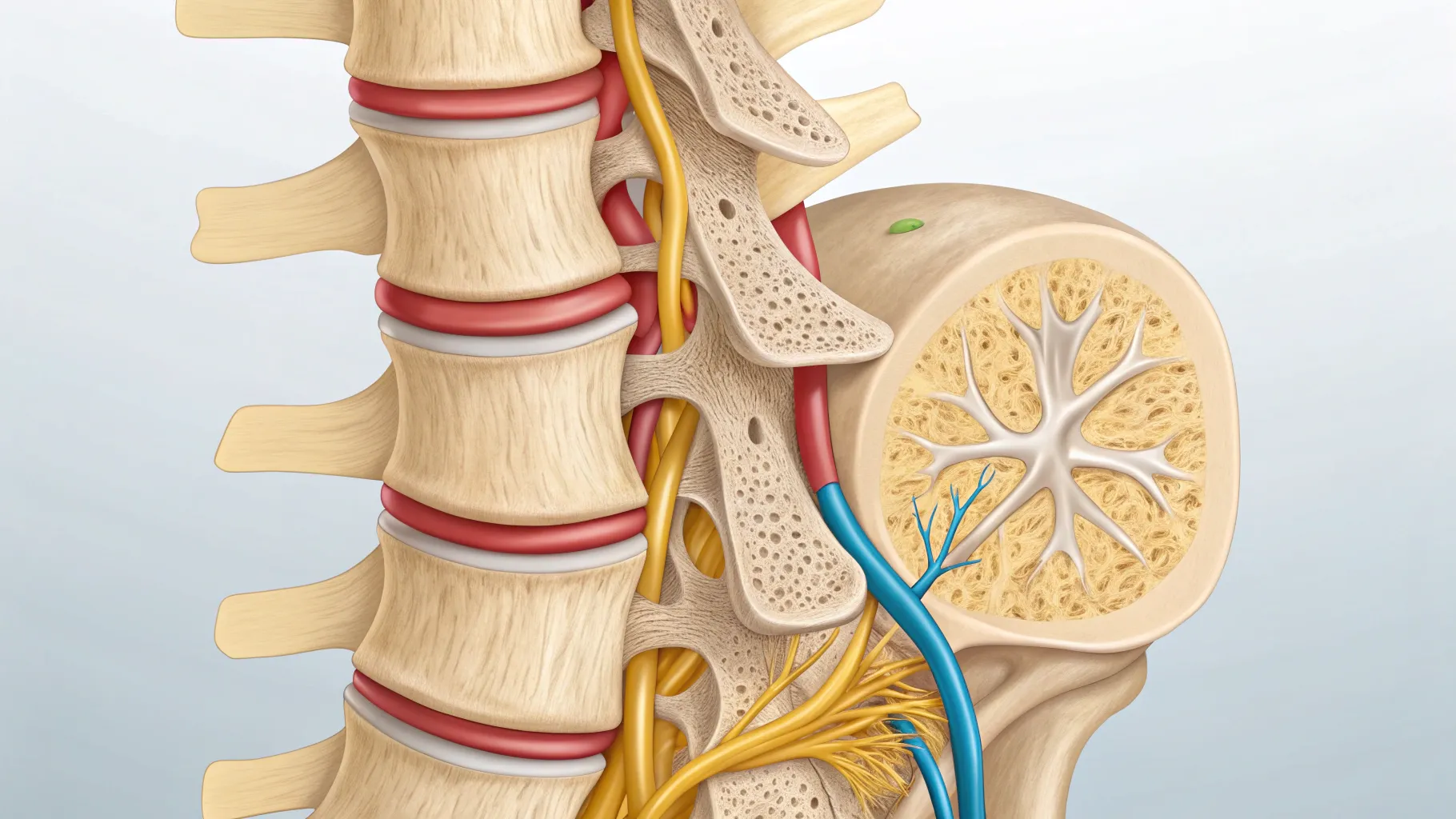
Understanding Spinal Stenosis: Causes Symptoms and Treatments
Spinal stenosis is a prevalent condition impacting a significant portion of the population, particularly older adults. By 2025, this issue has become increasingly recognized among health professionals, especially in the context of lumbar spinal stenosis, which primarily affects the lower back. The condition is characterized by the narrowing of the spinal canal, which can exert pressure on the spinal cord and surrounding nerves, leading to a variety of discomforting symptoms.
What Causes Spinal Stenosis?
The leading cause of spinal stenosis is attributed to degenerative changes that arise with aging. As people progress into their older years, the spinal discs—critical components that provide cushioning between vertebrae—begin to deteriorate. This degeneration results in decreased disc height, ultimately contributing to the narrowing of the spinal canal. A comprehensive study conducted in early 2025 reveals that approximately 90 percent of individuals diagnosed with spinal stenosis exhibit age-related changes in their spinal discs and joints.
- Herniated Discs: The condition can also involve herniated discs that protrude and place pressure on adjacent nerves, leading to pain and discomfort.
- Bony Growths: As people age, the body may develop bony growths, known as osteophytes, which can further narrow the spinal canal.
- Thickened Ligaments: The ligaments surrounding the spine can thicken over time, adding to the constriction and compressing sensitive nerve structures.
Additional factors contributing to spinal stenosis include chronic conditions like arthritis, which causes inflammation and joint degradation, as well as congenital spinal stenosis, where individuals are born with a naturally narrower spinal canal, making them more susceptible to symptoms as they age.
Recognizing Spinal Stenosis Symptoms
Symptoms of spinal stenosis can vary widely in severity, yet one common experience is pain, frequently localized in the lower back. Patients often report that this pain extends into the legs, hindering mobility and overall quality of life. Recent surveys indicate that around 65% of individuals suffering from lumbar spinal stenosis rate their pain as a consistent level of 7 out of 10. This pain can drastically impact daily activities and emotional well-being.
Beyond pain, individuals may experience:
- Numbness or Tingling: Tingling sensations or numbness may radiate down the legs, often presenting alongside pain.
- Weakness: Muscle weakness in the legs can lead to difficulty standing or walking for extended periods.
- Balance Problems: Many affected individuals struggle with balance, putting them at risk for falls and injuries.
Interestingly, relief is often found in forward-bending positions, such as leaning against a shopping cart or sitting down. This position temporarily alleviates pressure on the spinal cord, providing some comfort for affected individuals.
Spinal Stenosis Treatment Options
When considering treatment for spinal stenosis, a multifaceted approach is essential. In 2025, it is widely recommended that people start with conservative methods before progressing to surgical options, according to the latest medical guidelines. Feedback from patients illustrates that these treatments yield promising results.
- Physical Therapy: Working with a skilled physical therapist can be immensely beneficial. Customized exercise programs that focus on strengthening core muscles alongside improving flexibility and posture can help alleviate symptoms and enhance daily functioning.
- Medications: Over-the-counter pain relievers such as ibuprofen or acetaminophen are typically first-line treatments. In more severe instances, doctors may resort to corticosteroid injections near the affected spinal area to reduce inflammation.
- Surgical Options: In cases where conservative management proves insufficient, surgical interventions like a laminectomy may be necessary. This procedure removes the bony structures that are pressing against the spinal cord, allowing for increased space. Recent advancements in surgical techniques have led to shorter recovery times, with many patients achieving significant improvements. A recent study highlights that approximately 80% of patients undergoing timely surgical interventions report enhanced quality of life shortly after the surgery.
Ultimately, the timeline and effectiveness of these treatments often hinge on early diagnosis and prompt intervention. Adopting these methods can substantially improve a patient’s pain levels and mobility, empowering them to partake in activities they enjoy.
Living with Spinal Stenosis
Successfully managing spinal stenosis extends beyond medical treatments; lifestyle adjustments play a pivotal role in mitigating symptoms. Patients in 2025 are strongly encouraged to:
- Maintain a healthy weight to minimize additional stress on the spine. A balanced diet and regular exercise are key components.
- Engage in low-impact activities such as swimming, walking, or yoga. These exercises help strengthen back muscles without excessive strain.
- Utilize ergonomic furniture and spinal supports during daily activities to improve posture and reduce discomfort.
Such changes can yield significant benefits. Many patients have found comfort in joining support groups, where sharing experiences and coping strategies fosters an environment of community and understanding. These interactions can provide additional emotional support and promote positive lifestyle changes that enhance well-being.
While spinal stenosis undoubtedly presents challenges, advancements in treatment and a holistic approach to health offer hope. Individuals can lead fulfilling lives and manage their condition effectively, empowered by knowledge and supportive networks.