Spinal Stenosis Causes Symptoms and Treatment Options
Understanding Spinal Stenosis
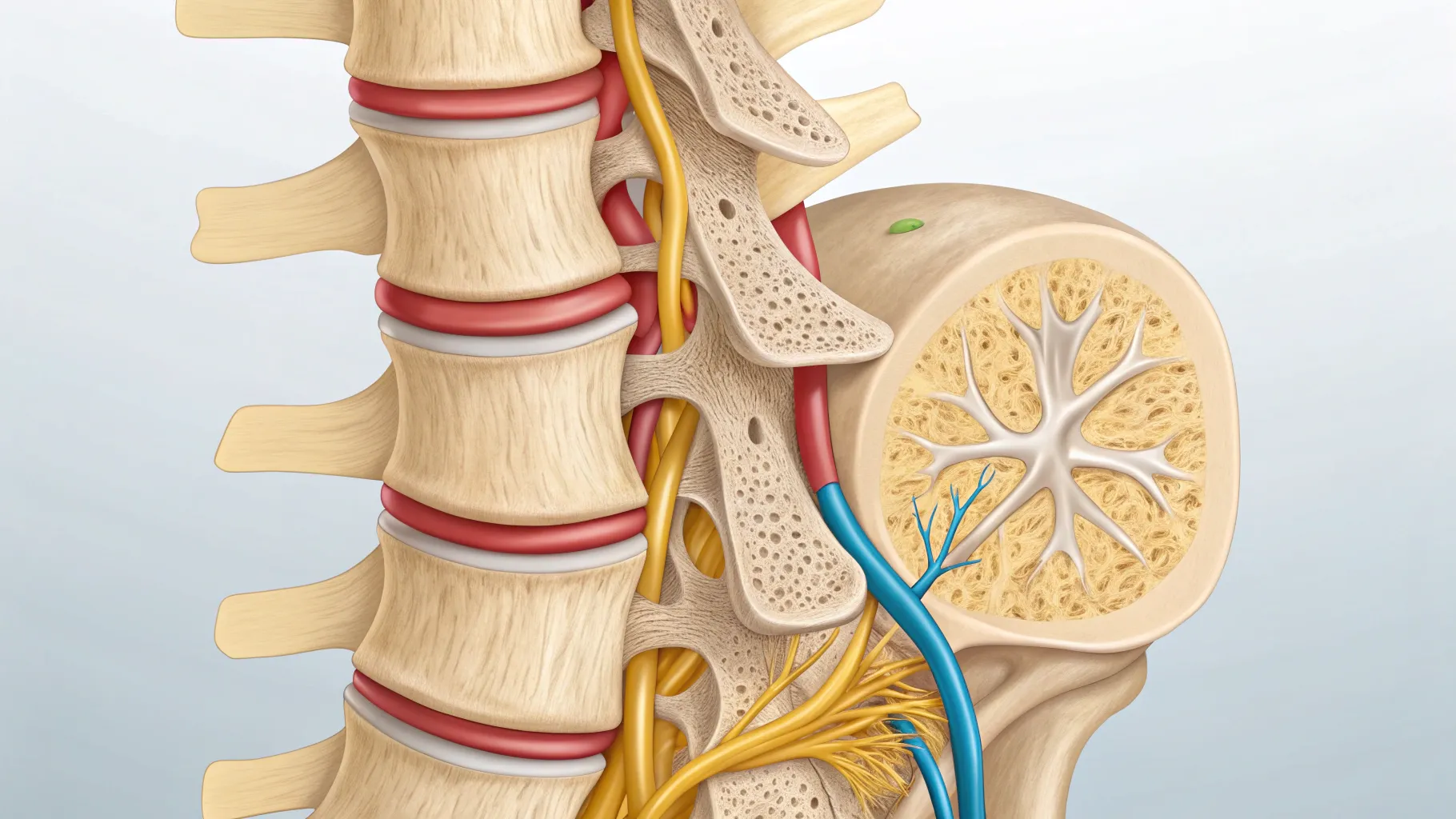
Spinal stenosis is a condition characterized by the narrowing of the spinal canal, leading to pressure on the spinal cord and the surrounding nerves. This ailment is particularly prevalent in the lumbar region of the spine. Recent research indicates that approximately 60% of individuals aged 60 and over face symptoms stemming from lumbar spinal stenosis, making it a significant concern in an aging population. As our society continues to age, the awareness and understanding of spinal stenosis are becoming increasingly essential.
What Causes Spinal Stenosis?
The exact causes of spinal stenosis can vary, but they often include natural degenerative changes that occur in the spine due to aging. Some of the primary contributors to this condition include:
- Arthritis: Osteoarthritis can prompt the development of bone spurs, which intrude into the spinal canal, resulting in narrowing.
- Herniated Discs: Over time, spinal discs may deteriorate and bulge. This bulging can compress nearby nerves, which can lead to discomfort and mobility issues.
- Congenital Conditions: A small percentage of people are born with a naturally narrower spinal canal, making them predisposed to stenosis.
- Injuries: Traumatic events such as falls or accidents may lead to inflammation or swelling, further decreasing space in the spinal canal.
- Spondylolisthesis: This condition occurs when one vertebra slips forward over another, which can cause further narrowing of the spinal canal.
As of 2025, innovative treatment methods have emerged to address the underlying causes of spinal stenosis, blending traditional medical approaches with modern therapies to enhance patient outcomes significantly.
Statistics and Recent Findings
According to a study published in early 2025, more than 70% of patients with lumbar spinal stenosis have reported improved symptoms after receiving various treatment options. This statistic underscores the importance of timely intervention and appropriate management strategies.
Recognizing Spinal Stenosis Symptoms
Detecting spinal stenosis can be challenging since its symptoms often resemble those of other conditions. However, understanding the most common signs can facilitate early diagnosis. Key symptoms include:
- Pain: Many individuals report distinct pain in the lower back, which can radiate down one or both legs. Walking or standing for extended periods might exacerbate this pain.
- Numbness or Tingling: Compression of the nerves may lead to sensations of numbness or tingling in various body parts, particularly the legs or arms.
- Weakness: Persistent pressure can lead to muscle weakness, affecting an individual's ability to maintain coordination and balance.
- Postural Changes: Patients often find relief when leaning forward or sitting, which can indicate spinal stenosis presence.
The impact of spinal stenosis extends beyond physical symptoms. Acknowledging the psychosocial elements is essential; recent studies suggest that emotional and mental well-being may also influence how individuals experience pain and discomfort.
Spinal Stenosis Treatment Options
The medical community is continuously refining treatment strategies to manage spinal stenosis effectively. Here’s a deeper look into the most prevalent options available:
- Physical Therapy: Engaging with a skilled physical therapist allows individuals to participate in personalized exercise programs designed to strengthen the surrounding spine muscles and enhance flexibility. Recent therapy innovations have improved the recovery timeline for many patients.
- Medications: Over-the-counter anti-inflammatory medications can help alleviate pain and reduce inflammation levels. In certain cases, physicians may prescribe stronger pain relief or corticosteroid injections to combat nerve swelling.
- Minimally Invasive Procedures: Advancements such as epidural steroid injections can substantially diminish pain linked to spinal stenosis, giving patients a better quality of life.
- Surgery: For severe instances where alternative treatments are ineffective, surgical options like laminectomy or spinal fusion may be considered. Surgical techniques have become more refined in 2025, often being less invasive and associated with shorter recovery periods, enabling a quicker return to daily activities.
Additionally, holistic and alternative therapies like acupuncture, chiropractic care, and yoga increasingly complement standard medical treatments. Patients often report notable symptom management and an enhanced sense of well-being through these practices.
The Future of Spinal Stenosis Care
Breaking ground in the exploration of spinal stenosis care, advancements in medical technology and ongoing research offer a promising outlook for patients. Innovations such as 3D imaging techniques allow for accurate diagnoses while fostering personalized treatment plans tailored to individual needs. Furthermore, exciting possibilities emerge from ongoing studies in gene therapy and regenerative medicine, potentially reshaping how spinal conditions are managed in the future.
As societal awareness increases about the impacts of spinal stenosis, recognizing its causes, symptoms, and treatment options becomes vital. For those dealing with mild discomfort or severe pain, reaching out to healthcare professionals should not be postponed. With early detection and proactive management, individuals can successfully navigate the challenges posed by spinal stenosis and maintain an active, fulfilling life.
The integration of patient-derived data and careful monitoring in treatment protocols holds promise for the development of more effective interventions. Whether through advanced surgical techniques, medication adjustments, or alternative therapies, the future of spinal stenosis care is undoubtedly bright and filled with possibilities.