Spinal Stenosis Causes Symptoms and Treatment Guide
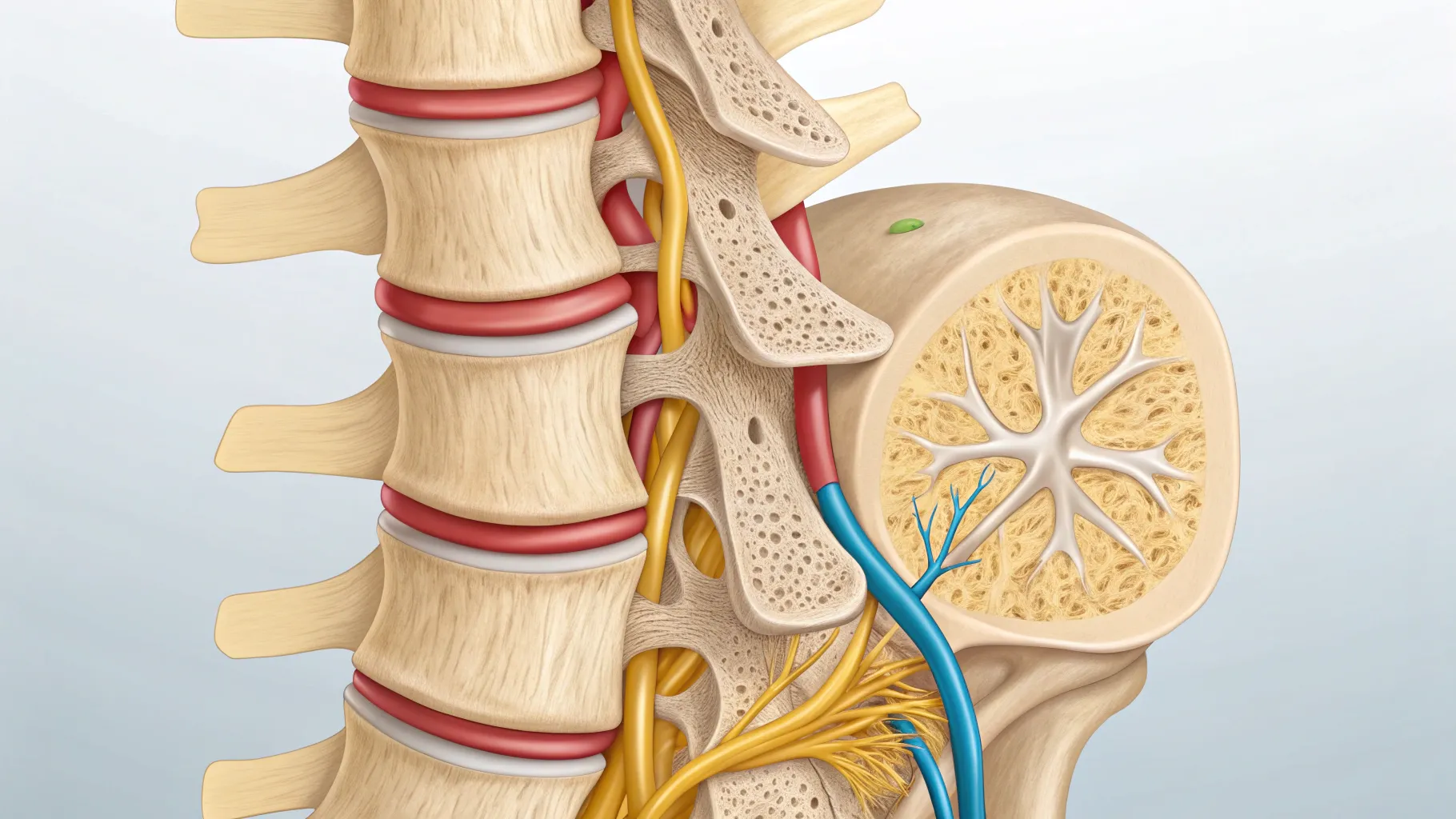
Understanding Spinal Stenosis and Its Impact
Spinal stenosis is a prevalent medical condition characterized by the narrowing of the spinal canal. As millions around the globe combat various spinal disorders in 2025, spinal stenosis stands out as an urgent concern. This condition primarily results from the encroachment on the spinal cord and nerves due to the narrowing, leading to pain and functional impairment. Whether diagnosed with lumbar spinal stenosis or cervical spinal stenosis, comprehending the nature of this ailment is essential for effective management and treatment.
What Causes Spinal Stenosis?
One pivotal aspect of spinal stenosis is understanding its underlying causes. Typically, the reasons for developing this condition stem from age-related degeneration and certain injuries. The common culprits behind spinal stenosis include:
- Aging: As individuals age, the spine undergoes natural wear and tear, resulting in degenerative changes.
- Herniated Discs: Discs that bulge or rupture can intrude upon the space of the spinal canal, leading to discomfort.
- Bone Spurs: Growths that develop as a result of arthritis can further constrict the spinal canal.
- Congenital Factors: Certain individuals are naturally born with a narrower spinal canal, increasing their risk.
- Injuries: Traumatic impacts to the spine can also contribute to the narrowing over time.
Interestingly, recent studies have indicated that those with a family history of spinal issues may face a higher risk of developing conditions like lumbar spinal stenosis. Reports suggest that nearly 80% of diagnosed cases arise in individuals over 50 years old, showcasing the strong relationship between age and the risk of spinal stenosis.
Recognizing Spinal Stenosis Symptoms
The symptoms of spinal stenosis can range widely, depending on the specific area of the spine that is affected. In most scenarios, people report distinct signs that may include:
- Lower Back Pain: Often described as a dull ache, pain may intensify with physical activity.
- Numbness or Tingling: These sensations frequently occur in the legs and buttocks.
- Weakness: Many patients experience weakness in the legs, complicating their ability to stand or walk.
- Loss of Bladder Control: In severe cases, this can become a critical issue requiring immediate medical attention.
- Balance Problems: Difficulty with balance is common, elevating the risk of falls.
A recent survey has shown that approximately 65% of adults suffering from spinal stenosis report symptoms that significantly disrupt their daily lives. The progression of these symptoms can often be gradual, with many patients identifying exacerbations associated with long periods of standing or walking. Recognizing these signs early on can facilitate timely treatment and better health outcomes.
Exploring Treatment Options for Spinal Stenosis
For many individuals, the experience of living with spinal stenosis can be manageable with appropriate treatment strategies. The standard approach usually initiates with non-surgical options:
- Physical Therapy: A tailored exercise program can help strengthen the muscles that support the spine and lessen discomfort.
- Medications: Non-steroidal anti-inflammatory drugs (NSAIDs) and corticosteroids are commonly prescribed to reduce pain and inflammation.
- Injections: Epidural steroid injections offer temporary relief by diminishing inflammation in the affected areas.
- Activity Modifications: Learning to avoid activities that worsen symptoms can be an essential part of the management plan.
When non-surgical treatments fail to alleviate symptoms, or if significant nerve compression occurs, surgical interventions may be necessary. Procedures such as laminectomy—where the back part of the vertebra is removed—and spinal fusion, which involves connecting two or more vertebrae, are common surgical options. Recent statistics illustrate that over 60% of patients who undergo these surgeries see considerable improvement in their symptoms within a year.
Lumbar Versus Cervical Spinal Stenosis
Distinguishing between lumbar spinal stenosis and cervical spinal stenosis is critical for developing an effective treatment plan. Lumbar spinal stenosis primarily impacts the lower back, leading to symptoms like leg pain, while cervical spinal stenosis focuses on the neck region, often causing discomfort and weakness in the arms.
In the past six months, valuable data has emerged demonstrating that although both types of stenosis share many similarities, their treatment methods can vary significantly. For instance, patients afflicted with cervical spinal stenosis frequently report faster symptom relief following surgical interventions compared to those with lumbar stenosis. Consequently, healthcare professionals are beginning to tailor their treatment strategies to the specific spinal region impacted.
As research continues to evolve, our understanding of spinal stenosis gains depth and clarity. Emerging therapeutic strategies, including minimally invasive surgical procedures and advanced rehabilitation protocols, hold promise for improving the outcomes of affected individuals. In today's healthcare dynamic, staying informed about the latest developments can empower those faced with spinal stenosis to make better decisions regarding their health.
Navigating spinal stenosis presents ongoing challenges, but by gaining a comprehensive understanding of its causes, symptoms, and treatment options, individuals can take proactive measures to enhance their quality of life. Consulting with healthcare professionals for personalized guidance remains essential for exploring the safest and most effective treatment routes available in 2025.