Spinal Stenosis in 2025: Symptoms and Treatments
Understanding Spinal Stenosis: A 2025 Perspective
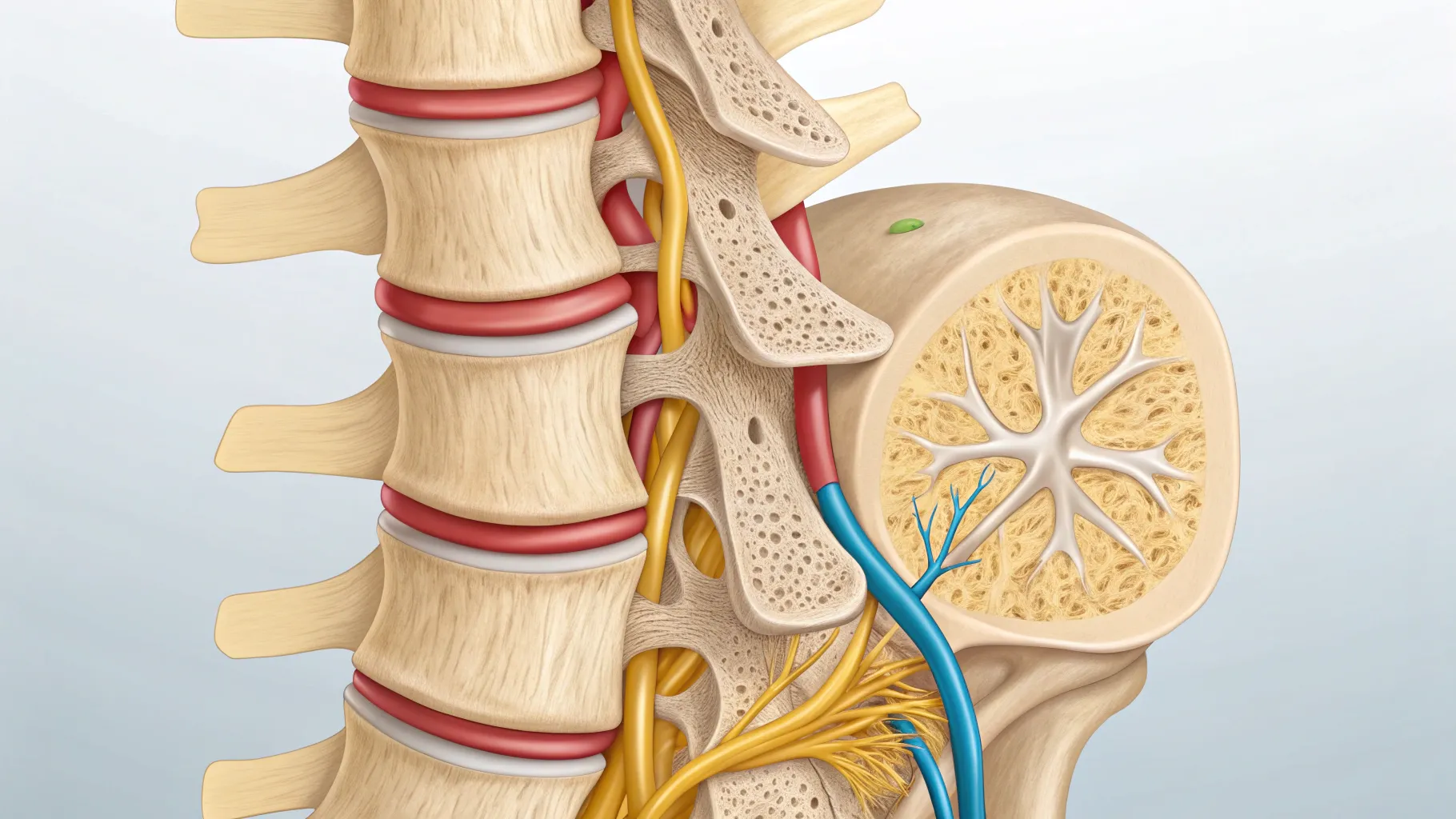
As we navigate 2025, spinal stenosis remains a significant challenge, particularly for the older demographic. This condition, characterized by the narrowing of spaces within the spine, can exert pressure on the nerves. This often results in discomfort and mobility issues, highlighting the urgent need for understanding, early detection, and effective intervention strategies for spinal stenosis.
The Root Causes of Spinal Stenosis
While aging continues to be a central factor, several other elements contribute to spinal stenosis. Recent advancements in the medical field have provided us with deeper insights into these underlying causes. Understanding these can better guide both prevention and treatment.
- Osteoarthritis: This prevalent joint disorder is notorious for deteriorating cartilage and forming bone spurs. These spurs can protrude into the spinal canal, inflicting pressure on adjacent nerves, often resulting in uncomfortable symptoms.
- Herniated Discs: When the soft nucleus of a spinal disc ruptures through its outer membrane, it can exert significant pressure on spinal nerves, leading to pain and discomfort.
- Congenital Conditions: Some individuals are born with narrow spinal canals, which can exacerbate with age-related changes, leading to symptomatic spinal stenosis.
- Inflammation from Rheumatoid Arthritis: This autoimmune disorder can lead to prolonged inflammation, affecting the spinal region over time and prompting nerve pressure.
Modern research indicates that lifestyle adjustments, such as quitting smoking and maintaining optimal body weight, play crucial roles in preventing exacerbations of these causes.
Recognizing Signs of Spinal Stenosis
Spotting the symptoms early on can bolster management and treatment of spinal stenosis. Recent analyses show that around 20% of people over the age of 60 experience symptoms ranging from mild discomfort to intense pain. Early recognition is key.
- Back and Neck Pain: Pain often originates in the lower back or neck and can radiate down the limbs, following nerve pathways.
- Sensory Changes: Tingling, numbness, or weakness, especially in the arms or legs, are telltale signs of nerve irritation.
- Mobility Challenges: Difficulty walking or maintaining balance can disrupt daily routines, increasing the risk of falls.
- Emergency Symptoms: Loss of bladder or bowel control is severe and necessitates immediate medical attention.
In 2025, adopting a self-monitoring approach, wherein individuals track symptom development, can lead to swift diagnosis and personalized treatment plans.
Revolutionized Treatment Strategies
The treatment landscape for spinal stenosis in 2025 has evolved. Patients can now enjoy enhanced quality of life through modern, effective methodologies. There's a notable shift towards personalized and minimally invasive techniques.
- Physical Therapy: With an emphasis on boosting flexibility and strength, structured exercises target key muscle groups, easing symptoms and enhancing functionality.
- Medication: Anti-inflammatory drugs are a cornerstone treatment, providing significant relief by targeting inflammation around impinged nerves.
- Minimally Invasive Procedures: Innovations in technology have made procedures like decompression and spinal fusion less invasive, leading to quicker patient recovery times and reduced risks.
- Targeted Injections: Corticosteroid injections, administered directly to inflamed sites, offer effective relief with minimal disruption to daily life.
Recent reports throw light on the high success rates of these treatments, underpinned by compelling patient testimonials and robust evidence. These ensure a better prognosis and a brighter future in spinal health.
What Awaits in Spinal Health: 2025
In 2025, exciting transformations are taking place in the realm of spinal health. Advanced technologies, such as AI and machine learning, are revolutionizing diagnostics by enabling physicians to intuitively interpret complex imaging, paving the way for custom-tailored treatments.
Moreover, nanotechnology is on the horizon. Its application in repairing damaged spinal structures on a cellular level shows potential for significantly reducing the dependency on traditional surgeries. This breakthrough offers patients rapid recovery and long-lasting outcomes, refining treatment paradigms significantly.
Augmented rehabilitation methods, harnessing virtual reality, furnish innovative avenues for patients to relearn movement patterns. These engaging environments transform recovery into a motivating experience, shared widely in online communities. Such communities foster networks of support, aiding countless individuals to surmount the challenges posed by spinal stenosis.
By equipping individuals with improved medical interventions and a supportive framework, overcoming spinal stenosis becomes more achievable, leading to enriched, active lives.