Soothing Winter Skin: A Guide to the Best Itch Relief Creams
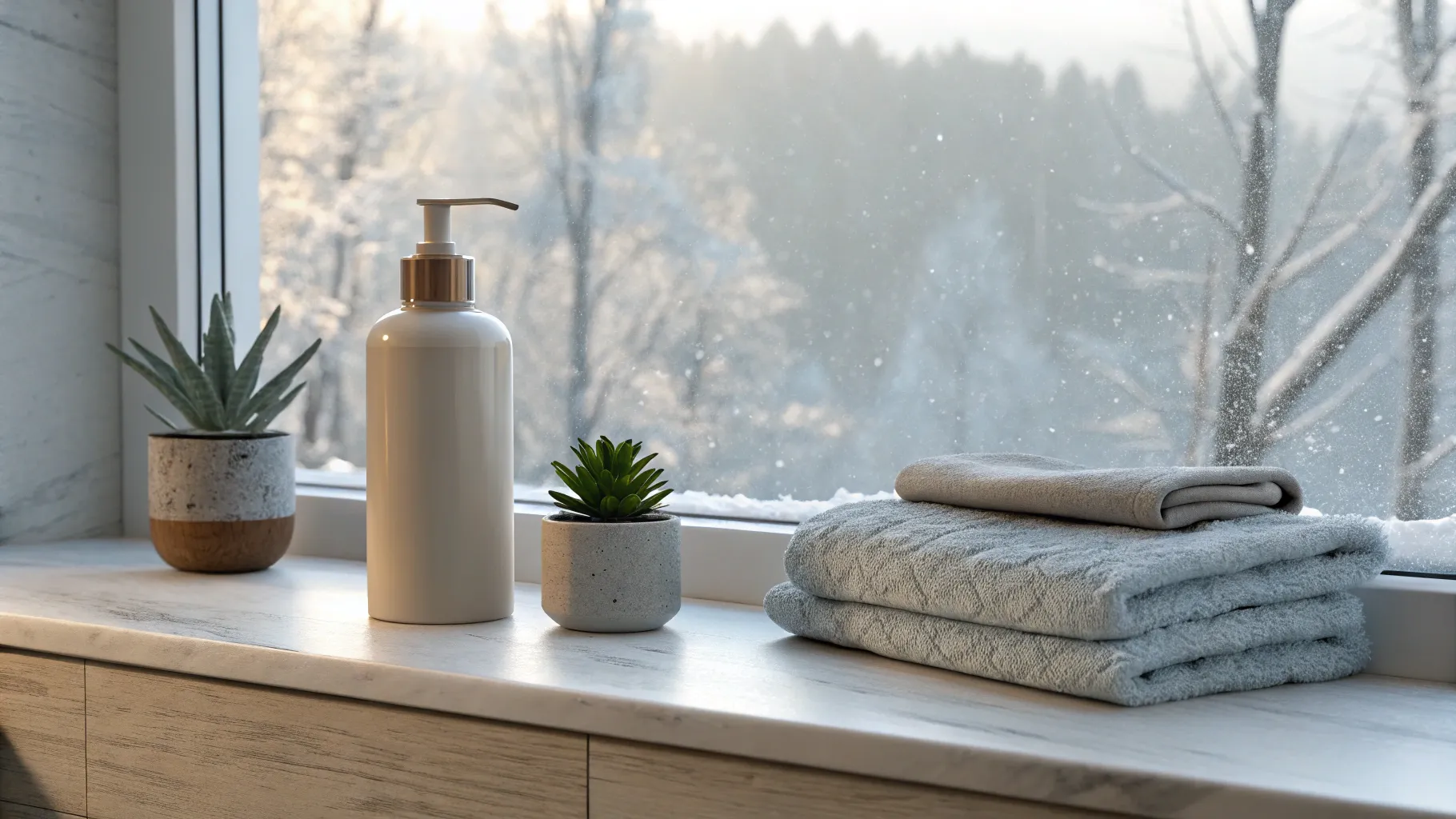
Winter often brings cozy sweaters and warm drinks, but it can also usher in dry, cold air that leaves skin feeling tight, irritated, and incredibly itchy. Constant exposure to central heating indoors and harsh winds outdoors strips the skin of its natural moisture, leading to discomfort. Fortunately, the right skincare routine, featuring effective anti-itch creams, can provide significant relief. This guide will help you navigate the various anti-itch lotion options available to keep your skin calm and comfortable all season long.
Understanding Anti-Itch Creams: How Do They Work?
Before selecting a product, it's helpful to have a solid foundation for understanding anti-itch creams and their mechanisms. These specialized formulas are designed to do more than just moisturize; they contain active ingredients that target the source of the itch, known medically as pruritus. Some work by creating a protective barrier, others by calming inflammation, and some by providing a cooling sensation that distracts nerve endings.
- Steroids: Low-strength hydrocortisone is a common over-the-counter ingredient that reduces inflammation, redness, and swelling.
- Antihistamines: Topical antihistamines can block the histamine reactions that cause itching, particularly from allergic reactions.
- Anesthetics: Ingredients like pramoxine numb the skin temporarily, providing short-term but fast-acting relief.
- Natural Soothers: Ingredients such as colloidal oatmeal, aloe vera, and calamine are known for their calming and protective properties.
Key Ingredients in Creams for Itchy Skin for Winter
When searching for effective creams for itchy skin for winter, reading the ingredient list is crucial. The best formulas often contain a combination of ingredients that hydrate, repair, and protect the skin's barrier. Look for products rich in the following components:
Humectants & Emollients
Humectants like glycerin and hyaluronic acid pull moisture from the air into your skin, while emollients such as ceramides, shea butter, and fatty acids smooth the skin's surface and help repair its natural barrier. A combination of both is ideal for lasting hydration.
Occlusives
Occlusive agents like petrolatum, lanolin, and dimethicone form a physical barrier on the skin's surface to prevent moisture loss. These are particularly beneficial in harsh, dry winter climates.
Choosing the Best Itch Relief Creams for Winter Conditions
The sheer number of products can be overwhelming, but you can narrow down your choices by considering your specific needs. The best itch relief creams for winter are often thicker in consistency, providing a more robust barrier against the elements. Ointments and balms are generally more effective than lotions for severely dry and cracked skin because of their higher oil content. Also, opt for fragrance-free and hypoallergenic formulas to avoid further irritating sensitive skin. If your itching is severe or accompanied by a rash, consulting a dermatologist is always the best course of action.
Top Soothing Creams for Irritated Skin in Winter
While brand names change, the types of effective formulas remain consistent. When shopping, focus on the product's composition rather than just its marketing claims. Here are some of the most reliable types of soothing creams for irritated skin in winter:
- Ceramide-Rich Barrier Creams: These are excellent for replenishing the skin’s natural protective layer, which is often compromised in winter.
- Colloidal Oatmeal Formulas: Known for its anti-inflammatory properties, colloidal oatmeal can significantly calm red, irritated skin.
- Urea-Infused Moisturizers: Urea is a powerful humectant and gentle exfoliant that helps soften rough, flaky patches.
Exploring Different Anti-Itch Lotion Options and Application Tips
For those who prefer a lighter texture, exploring various anti-itch lotion options can be a great solution for daytime use or for less severe dryness. To maximize effectiveness, apply any cream or lotion immediately after a lukewarm shower while your skin is still damp. This helps lock in moisture. Pat your skin dry gently with a towel instead of rubbing, and avoid long, hot baths, which can further strip your skin of its essential oils. Reapply your chosen product throughout the day as needed, especially on exposed areas like your hands.
References:
https://www.aad.org/public/everyday-care/skin-care-basics/dry/dry-skin-relief
https://nationaleczema.org/eczema/treatment/moisturizing/
https://www.health.harvard.edu/staying-healthy/9-ways-to-banish-dry-skin