Smart Ways to Save Money on Weekly Groceries Today
Understanding How to Save Money on Weekly Groceries
In today's economy, where the cost of living seems to rise consistently, being smart about grocery shopping has become essential for every household. With the average American family shelling out nearly $800 a month on groceries, keeping a lid on these expenses can lead to significant savings. Let’s explore some effective strategies to make your weekly grocery trips more budget-friendly.
Smart Grocery Planning for Maximum Savings
Effective grocery planning is a fundamental step in maintaining a healthy budget. Not only does it streamline your shopping experience, but it also helps to minimize food waste—a critical factor given that around 30% of food produced in the U.S. goes uneaten, according to the USDA.
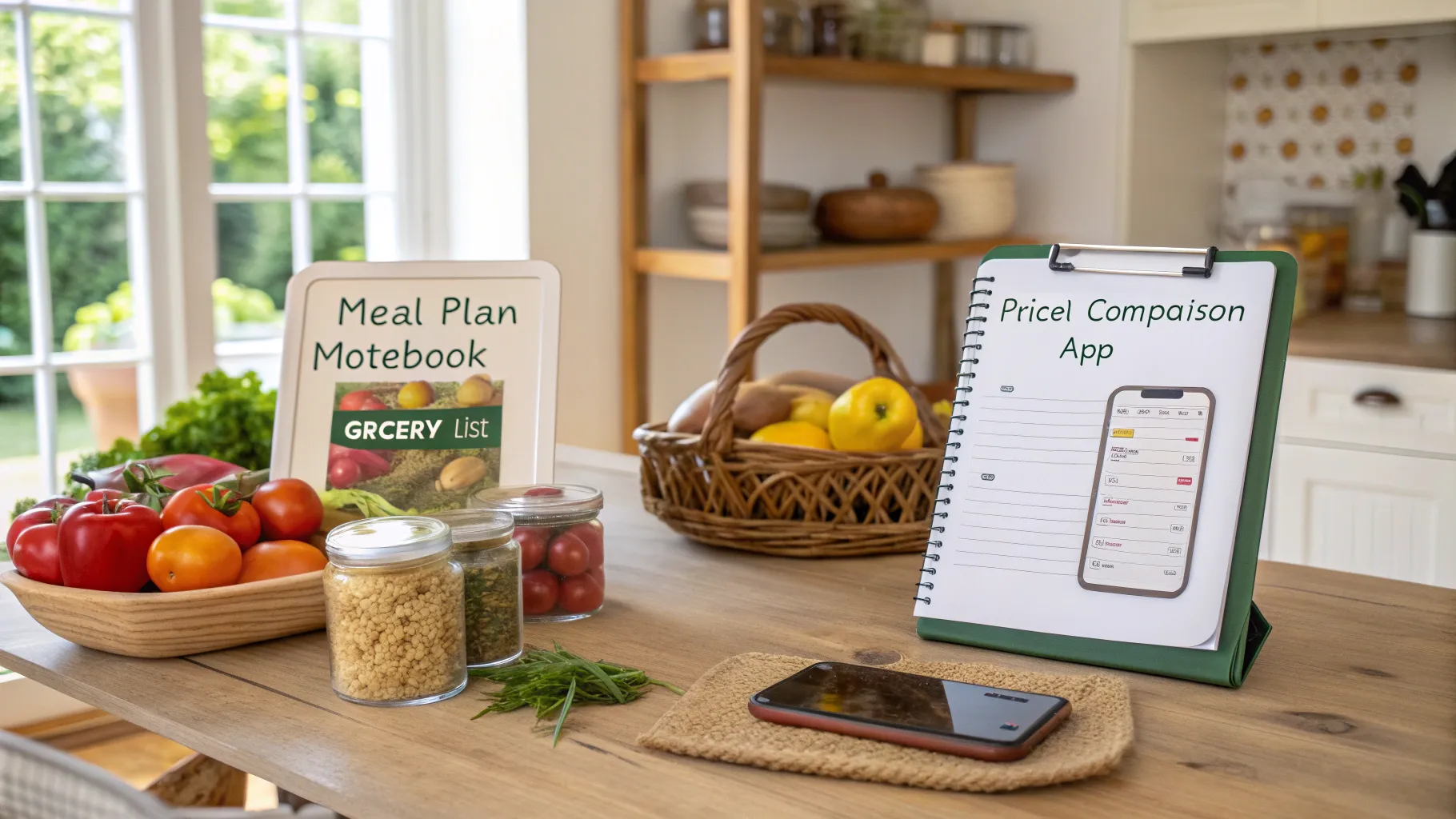
- Create a Weekly Meal Plan: Take a few moments each week to plan your meals. This strategy keeps you from making impulsive purchases and encourages you to use items already in your kitchen. Plus, planning meals based on what's on sale can maximize savings.
- Make a Grocery List: With your meal plan in hand, craft a grocery list. This little piece of paper or app on your phone can greatly help you focus on the essentials, steering you clear of unnecessary purchases.
- Check Your Pantry: Before finalizing your list, take stock of your pantry and fridge. This ensures that you don’t buy duplicates and makes it easier to plan meals around items nearing their expiration date, promoting both savings and sustainability.
Utilizing Grocery Budgeting Tips
Adopting effective budgeting techniques can yield remarkable savings on your grocery bills. Implementing these tips can transform your shopping experience:
- Use Store Flyers: Each week, grocery stores circulate flyers showcasing discounts and sales. Reviewing these before making your grocery list empowers you to align your meal prep with the best deals available.
- Buy in Bulk: Stocking up on non-perishables like rice, grains, and canned goods can lead to considerable savings. Items often have lower prices per unit when purchased in larger quantities, making this a smart choice as long as you consume them before they expire.
- Opt for Store Brands: It's worth noting that store-brand products frequently match or exceed the quality of their name-brand counterparts, but at a fraction of the price. Making this simple shift in preference can significantly lower your grocery expenses.
Seasonal Shopping: A Money-Saving Strategy
Seasonal shopping is a proven tactic to save cash at the grocery store. Produce that’s in season is generally not only fresher but also cheaper. For example, vegetables like zucchini and tomatoes drop in price during summer months—a perfect time for grill-friendly recipes. Shopping for produce that is in season ensures you’re enjoying a broad array of foods while also keeping your costs down.
Moreover, local farmers' markets can be a hidden gem for finding affordable, fresh produce. Not only do these markets often provide better deals, but they also support local agriculture, allowing you to enjoy organic options that add nutritional value to your meals.
Leverage Technology for Smart Shopping
Technology now plays an integral role in how we approach grocery shopping, making it easier than ever to keep costs in check while also making informed choices:
- Price Comparison Apps: There are numerous apps available that help you compare grocery prices across local retailers. These tools can guide you to the stores offering the best deals and frequently present digital coupons or cashback options to stretch your dollar further.
- Grocery Delivery Apps: While it may seem counterintuitive, many grocery delivery services provide first-time user discounts and promotions. Just ensure that any delivery fees don’t negate the savings you’re aiming for.
- Recipe Apps: Using apps that generate meal suggestions based on what you have can help make the most out of your pantry. This approach not only minimizes food waste but also nurtures creativity in your cooking, ensuring that meals remain diverse and delicious.
Practicing Mindful Shopping
To truly optimize your grocery spending, mindfulness in shopping habits is crucial. It requires you to consciously evaluate your decisions and stay accountable. Here are a couple of practical ways to enhance your shopping mindset:
- Eat Before You Shop: Heading to the store on an empty stomach typically leads to making unplanned purchases driven by cravings. A good meal beforehand can help keep your focus sharp and your list intact.
- Set a Budget: Establish a concrete weekly budget for groceries, which helps to keep your spending in check. Tools like simple spreadsheets or budgeting apps make it easier to track your expenses and ensure you don’t go overboard.
As we navigate these fluctuating economic times, employing these strategies for smarter grocery budgeting is not only necessary but can also be empowering. Each dollar saved on groceries can be redirected toward other essential expenses or savings goals, ultimately enhancing your overall financial wellness.
Adopting these practices will not only help you save money but also foster a greater appreciation for resourcefulness in the kitchen. By making smarter shopping choices and becoming more creative with your meal prep, you can enjoy both healthful and diverse meals without breaking the bank.
In summary, saving money on weekly groceries is achieved through a blend of thorough planning, effective budgeting, and mindful shopping strategies. By consistently implementing these tips, your food expenses can significantly decrease while maintaining a varied and nutritious diet.