Smart Mobility Aids Explained: The Future of Assistive Technology Mobility
Facts:
- The global market for assistive technology is projected to exceed $30 billion by 2028.
- A key trend for smart mobility aids is the integration of AI for fall detection and prevention.
Beyond the Basics: How Intelligent Devices Revolutionize Mobility
The landscape of personal mobility is undergoing a profound transformation, moving far beyond traditional canes and walkers. We are now in the era of smart mobility aids, a category of devices engineered not just to support, but to empower. This new wave of assistive technology mobility integrates sensors, software, and connectivity to offer unprecedented levels of safety, independence, and data-driven insight. These innovations are set to revolutionize mobility for millions, turning simple support devices into active partners in daily life. By providing real-time feedback, emergency alerts, and navigational assistance, this technology is redefining what it means to move freely and confidently in the world.
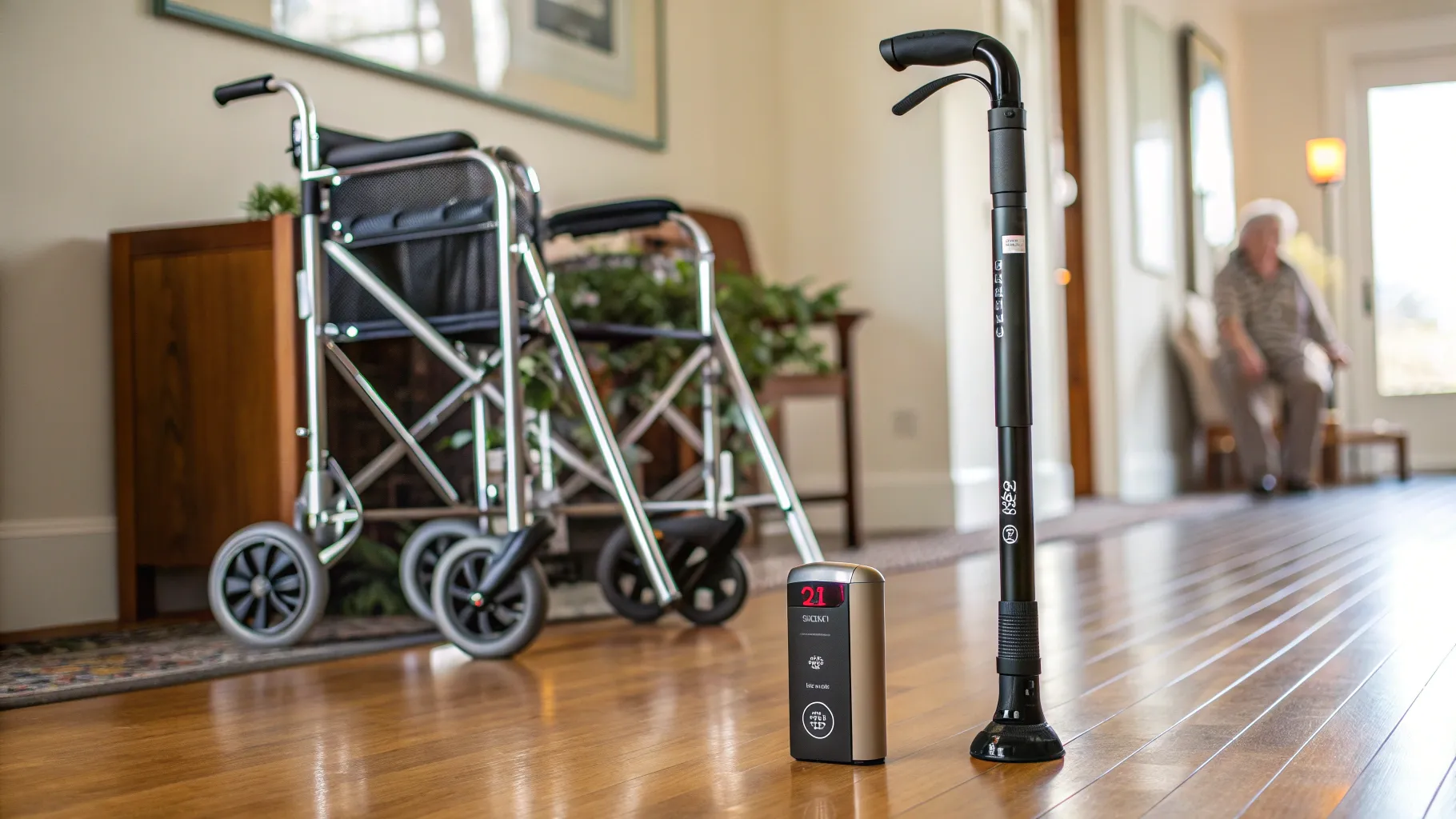
Exploring the Spectrum of Smart Walking Aids
The term 'smart mobility aids' covers a wide and growing range of devices, each designed for different needs and levels of mobility. Unlike their non-digital counterparts, these tools are equipped with intelligent features that actively assist the user. The evolution of this mobility technology means there are now sophisticated options available that were once the stuff of science fiction, making daily navigation safer and more intuitive than ever before. Let's delve into some of the most common categories.
Smart Canes and Crutches
At the forefront are smart walking aids like intelligent canes. These devices often include GPS tracking for location sharing with family, fall detection sensors that can automatically alert emergency services, and built-in LED lighting for safer navigation in low-light conditions. Some even feature haptic feedback to guide users around obstacles, making them an indispensable tool for those with visual impairments as well as mobility challenges.
Intelligent Walkers and Rollators
Smart walkers elevate the traditional frame by incorporating features like powered wheels to assist with inclines, automatic braking systems to prevent falls, and integrated health sensors that can monitor gait and walking speed. This type of assistive technology mobility provides robust support while collecting valuable data that can be shared with healthcare providers to track progress and health status.
Advanced Electric Wheelchairs
Modern electric wheelchairs are becoming platforms for incredible mobility technology. Features can include self-driving capabilities, obstacle avoidance systems similar to those in autonomous vehicles, and integration with smart home devices. Users can control their environment, from lights to thermostats, directly from their chair, greatly enhancing their independence and quality of life.
The Core Technology Powering the Movement
The magic behind smart mobility aids lies in the seamless integration of several key technologies. At the core are sophisticated sensors—gyroscopes and accelerometers detect falls, while ultrasonic sensors identify obstacles. This data is processed by onboard microprocessors running intelligent algorithms, which can then trigger alerts, engage brakes, or provide navigational cues. Furthermore, IoT (Internet of Things) connectivity allows these devices to communicate with smartphones, caregivers, and emergency services, creating a comprehensive safety net for the user. This fusion of hardware and software is what truly allows this technology to revolutionize mobility.
Key Benefits: More Than Just Physical Support
The advantages of adopting smart mobility aids extend far beyond simple physical assistance. They offer a holistic improvement to a user's lifestyle by addressing safety, confidence, and connectivity. This advanced assistive technology mobility empowers individuals to engage more fully with their communities and live with greater peace of mind.
- Enhanced Safety: With automatic fall detection and emergency alerts, users and their families can rest assured that help will be summoned in a crisis. Features like obstacle avoidance and enhanced lighting directly reduce the risk of accidents.
- Greater Independence: Integrated GPS and navigation features empower users to explore new places confidently without the fear of getting lost. Control over one's environment through smart home integration also reduces reliance on others for daily tasks.
- Actionable Health Insights: Many smart walking aids collect data on activity levels, gait patterns, and stability. This information can be invaluable for physical therapists and doctors to monitor rehabilitation progress and overall health.
- Increased Confidence and Social Engagement: By mitigating the risks and anxieties associated with mobility challenges, users feel more confident participating in social activities, visiting friends, and maintaining an active lifestyle, which is crucial for mental and emotional well-being.
Choosing the Right Smart Mobility Aid for Your Needs
Selecting the appropriate device is a critical step. The decision should be based on a thorough assessment of the user's specific physical needs, cognitive abilities, and daily environment. For instance, an individual who primarily needs stability support might benefit most from a smart cane, while someone requiring more significant assistance might look towards an intelligent walker. It's crucial to consider the user's comfort with technology; some may prefer a simple device with only essential safety features, while others may embrace a full suite of connected functionalities. Consulting with a healthcare professional, such as a physical or occupational therapist, is highly recommended. They can help evaluate the user's needs and recommend the most suitable mobility technology to maximize safety and independence.
Frequently Asked Questions
What makes smart mobility aids different from regular ones?
The primary difference is the integration of technology. While regular aids provide passive physical support, smart aids are active participants in the user's safety and navigation. They use sensors, processors, and connectivity to offer features like fall detection, GPS tracking, obstacle avoidance, and health monitoring.
Is assistive technology mobility difficult to use?
Most smart aids are designed with user-friendliness in mind. Interfaces are often simple, with large buttons or voice commands. While some devices offer complex features that may require a learning curve, the core functions are typically intuitive to ensure they are accessible to users of all technological skill levels.
How is mobility technology expected to evolve in the future?
The future is focused on greater integration with AI and machine learning. We can expect devices that learn a user's unique gait and can predict a fall before it happens. Further integration with smart city infrastructure could allow aids to receive real-time data about pedestrian crossing signals or public transport accessibility, truly helping to revolutionize mobility on a larger scale.
References
- Global Trends in Assistive Technology Report
- Journal of NeuroEngineering and Rehabilitation
- International Conference on Mobility and Transport
- Ageing and Technology Research Quarterly