Smart Mobility Aids Explained: The Future of Assistive Technology
Facts:
- Smart aids can reduce fall risk by over 50%.
- The global market for assistive technology mobility is projected to grow significantly.
How Smart Technology is Redefining Personal Mobility
The landscape of personal mobility is undergoing a monumental shift. For decades, traditional walkers, canes, and wheelchairs provided essential support, but their functionality remained largely unchanged. Today, we are witnessing a new era where technology integrates seamlessly with these devices to create what are known as smart mobility aids. This advanced category of assistive technology mobility is not just about support; it's about empowerment, safety, and connectivity. These innovations are designed to revolutionize mobility for individuals with physical challenges, offering them unprecedented levels of independence and confidence in their daily lives.
The Core Components of Smart Mobility Aids
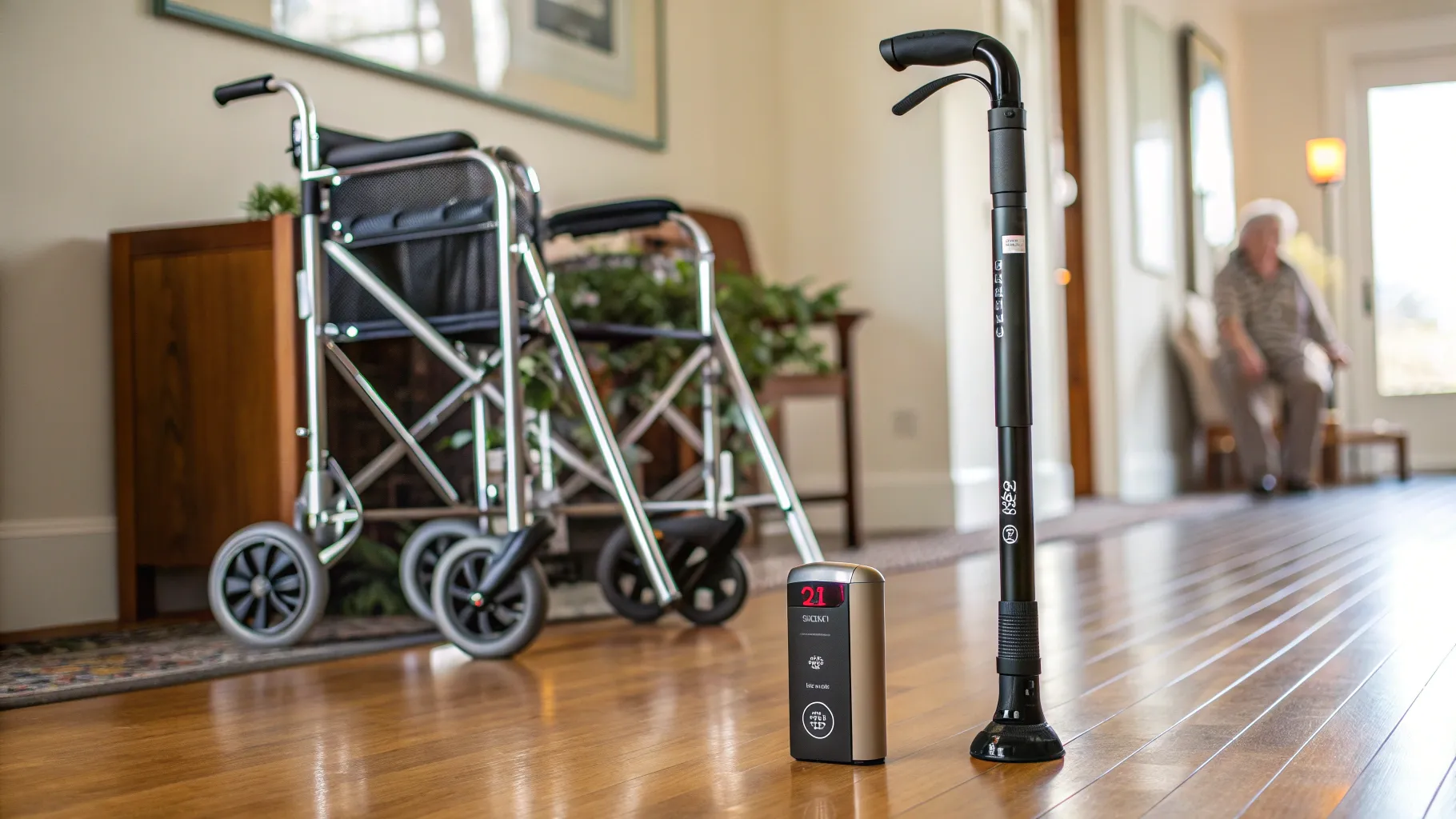
At the heart of these revolutionary devices are a suite of integrated technologies working in unison. Unlike their passive counterparts, smart mobility aids actively monitor, analyze, and react to their environment and the user's movements. Key components often include advanced sensors like gyroscopes and accelerometers for fall detection, GPS trackers for location monitoring and navigation, and IoT connectivity to communicate with caregivers or emergency services. This powerful combination of mobility technology transforms a simple walking aid into a life-saving companion, providing real-time data and alerts that enhance safety and peace of mind for both the user and their loved ones.
A Closer Look at Smart Walking Aids
While the concept of smart mobility aids covers a broad spectrum of devices, some of the most significant advancements have been in the realm of walking assistance. These devices are crucial for daily navigation and represent a major leap forward in user-centric design and functionality.
Intelligent Canes
The humble cane has been completely reimagined. Modern smart walking aids in the form of canes now come equipped with features that were once the realm of science fiction. Built-in GPS helps users navigate complex environments and allows family members to know their location. Sophisticated fall detection sensors can automatically send an alert to pre-programmed contacts if a fall occurs, ensuring help arrives quickly. Some models even include haptic feedback for navigation cues and integrated emergency buttons, making them an indispensable tool for maintaining an active and secure lifestyle.
Advanced Walkers and Rollators
Similarly, walkers and rollators have evolved far beyond simple frames. The new generation of smart walking aids incorporates features like automated braking systems that engage on inclines or when a user stumbles, preventing accidents. Others have motorized wheels to assist with propulsion, reducing the physical strain on the user. Integrated lighting improves visibility in low-light conditions, while onboard navigation systems can guide users through hospitals, shopping centers, or their own neighborhoods. This level of mobility technology makes navigating the world safer and more accessible than ever before.
The Impact on Daily Life: Beyond Just Walking
The true value of these innovations lies in how they revolutionize mobility on a personal level. It's not just about getting from one point to another; it's about restoring confidence and enabling participation in life. With the safety net provided by fall detection and emergency alerts, users feel more secure venturing out alone. Navigation assistance opens up new possibilities for travel and exploration. This advanced assistive technology mobility helps combat social isolation by empowering individuals to attend social gatherings, run errands, and maintain their independence, significantly improving their overall quality of life.
Choosing the Right Smart Mobility Aid
Selecting the appropriate device is a crucial step in leveraging this new technology. With a growing market, it's important to consider several factors to ensure the chosen aid meets specific individual needs. Making an informed decision will maximize the benefits and ensure a seamless integration into daily life. Here are some key considerations:
- Assess Personal Mobility Needs: Evaluate the user's specific challenges. Is the primary concern fall prevention, navigation assistance, or physical endurance? A device with advanced fall detection is critical for some, while another user might benefit more from a walker with motorized assistance.
- Consider the Environment: Think about where the device will be used most. A sleek, lightweight smart cane might be perfect for indoor use and smooth outdoor paths, whereas a more robust smart walker with all-terrain wheels would be better for navigating varied landscapes.
- Evaluate Connectivity and Features: Examine the smart features offered. Does the device require a smartphone app? Is the emergency alert system easy to set up and reliable? Ensure the mobility technology aligns with the user's technical comfort level.
- Prioritize User Comfort and Ergonomics: A device, no matter how smart, will not be used if it is uncomfortable. Check for adjustable heights, ergonomic grips, and a manageable weight. The best assistive technology mobility device is one that feels like a natural extension of the user.
The Future of Mobility Technology
The evolution of smart mobility aids is far from over. The future promises even greater integration of artificial intelligence and machine learning. We can expect devices that learn a user's gait and can predict a fall before it happens. Future mobility technology will likely feature enhanced integration with smart home ecosystems, allowing a walker to communicate with doors and lights. As battery life improves and components become smaller, these devices will become even more discreet and powerful, continuing to revolutionize mobility and foster greater independence for people around the world.
Frequently Asked Questions
What makes smart mobility aids different from traditional ones?
The primary difference is the integration of technology. While traditional aids provide physical support, smart aids add a layer of active safety and connectivity through features like GPS tracking, automatic fall detection, environmental sensors, and communication capabilities to alert caregivers or emergency services.
Is this type of assistive technology mobility difficult to learn and use?
Most smart mobility aids are designed with user-friendliness in mind. They often feature intuitive interfaces, simple button controls, and pair with easy-to-use smartphone apps. The goal is to make the technology accessible, so users can gain the benefits without a steep learning curve.
How do smart walking aids improve user safety?
They improve safety in multiple ways. Automatic fall detection can summon help immediately after an incident. Built-in GPS ensures a user can be located if they get lost. Integrated lights improve visibility, and smart braking systems can prevent accidents on uneven terrain or slopes, providing comprehensive protection.
References
- Journal of NeuroEngineering and Rehabilitation
- The World Health Organization Report on Assistive Technology
- Annals of Biomedical Engineering
- Market Analysis of Global Mobility Aid Devices