Smart Mobility Aids Explained: The Future of Assistive Technology
Facts:
- The global market for smart walkers is growing rapidly.
- A rising trend is IoT integration for assistive technology mobility.
How Intelligent Devices are Redefining Personal Movement
The landscape of personal mobility is undergoing a profound transformation, moving far beyond the traditional canes and walkers of the past. Today, we are witnessing a new era defined by smart mobility aids, a category of devices engineered with advanced technology to offer unprecedented levels of safety, independence, and connectivity. These innovations are not just incremental improvements; they aim to fundamentally revolutionize mobility for individuals with physical limitations, the elderly, and those recovering from injury. By integrating sensors, GPS, and artificial intelligence, this new wave of mobility technology provides users with real-time feedback, environmental awareness, and emergency support, making daily navigation safer and more intuitive than ever before.
The Core Technology Behind Smart Walking Aids
At the heart of smart walking aids lies a sophisticated fusion of hardware and software designed to perceive and interact with the user's environment. Unlike their non-digital counterparts, these devices are equipped with a suite of sensors, including accelerometers and gyroscopes, which constantly monitor movement, gait, and balance. This data is processed in real-time to detect potential stumbles or falls, often triggering an alert automatically. Furthermore, many smart mobility aids feature integrated GPS and obstacle detection systems, using ultrasonic or LiDAR sensors to identify hazards like stairs, curbs, or uneven surfaces. This advanced mobility technology provides users with haptic or auditory feedback, guiding them safely along their path and reducing the cognitive load associated with navigating complex environments.
Key Features That Revolutionize Mobility
The features embedded within modern assistive technology mobility devices are what truly set them apart. One of the most critical functions is automatic fall detection, which can instantly notify caregivers or emergency services in the event of an accident, providing peace of mind for both the user and their family. Another game-changing feature is built-in navigation, which offers turn-by-turn directions through discreet audio cues or vibrations, empowering users to explore new places with confidence. Some advanced models also incorporate health monitoring capabilities, tracking metrics like steps taken, gait speed, and posture, which can be shared with healthcare providers to monitor progress and tailor rehabilitation plans. These combined features work in concert to revolutionize mobility, transforming a simple aid into a comprehensive personal safety and wellness companion.
Comparing Smart Canes, Walkers, and Wheelchairs
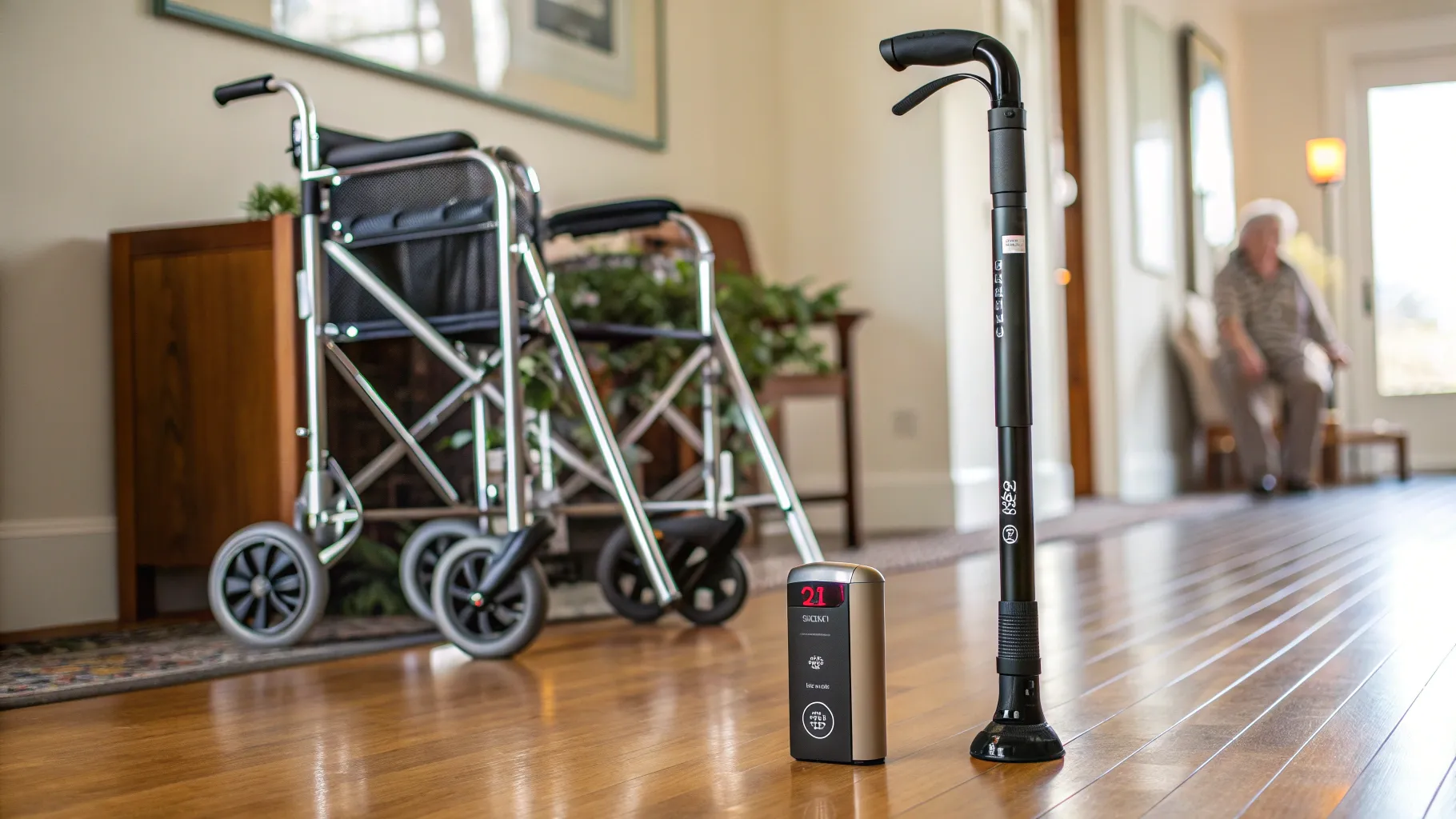
The world of smart mobility aids is diverse, catering to a wide range of needs. Smart canes are often the entry point, offering a lightweight solution with features like GPS tracking, fall detection, and built-in lighting. They are ideal for users who need minimal support but want the added security of smart features. For those requiring more stability, smart walking aids like walkers and rollators provide enhanced support with the added intelligence of obstacle detection and automated braking systems. At the higher end, smart wheelchairs represent the pinnacle of assistive technology mobility, incorporating advanced features such as self-driving capabilities, environmental sensors, and integration with smart home devices. The choice between these devices depends entirely on the user's level of mobility, their specific challenges, and their desire for technological integration to enhance their daily life.
Choosing the Right Smart Mobility Aid for Your Needs
Selecting the appropriate device is a critical step in harnessing the benefits of this new mobility technology. It is essential to consider several factors to ensure the chosen aid aligns with your lifestyle and physical requirements. Here are some actionable steps to guide your decision:
- Assess Your Stability Requirements: Be honest about the level of physical support you need. A smart cane is great for minor balance assistance, while a smart walker provides a much more stable base for individuals with significant gait or balance issues.
- Evaluate the Feature Set: Determine which smart features are most important to you. If you live alone, automatic fall detection may be a top priority. If you enjoy exploring, robust GPS navigation is crucial. Don't pay for features you won't use.
- Consider Battery Life and Charging: Like any electronic device, smart mobility aids require regular charging. Investigate the battery life of potential models and consider how its charging routine will fit into your daily life. A device with a short battery life could become a liability.
- Check for User-Friendliness: The best assistive technology mobility is intuitive and easy to use. Look for devices with simple interfaces, clear alerts, and straightforward companion apps. Complicated technology can be more of a hindrance than a help.
- Consult with a Professional: Always discuss your options with a physical therapist or healthcare provider. They can offer a professional assessment of your needs and recommend the type of smart walking aids that would be most beneficial for your specific condition.
The Future of Mobility Technology and Independent Living
The evolution of smart mobility aids is far from over. The future promises even greater integration with the Internet of Things (IoT) and artificial intelligence. We can anticipate devices that not only react to the environment but proactively learn a user's habits and anticipate their needs. Imagine a smart walker that can predict a user's fatigue and suggest a rest stop, or a wheelchair that seamlessly navigates through a crowded smart home, communicating with other devices. This ongoing innovation will continue to revolutionize mobility, breaking down barriers and empowering individuals to live more independent, active, and connected lives. The ultimate goal of this mobility technology is to make physical limitations less of an obstacle to a full and engaged life.
Frequently Asked Questions
What exactly are smart mobility aids?
Smart mobility aids are advanced assistive devices, such as canes, walkers, or wheelchairs, that are equipped with technology like sensors, GPS, and connectivity. They are designed to enhance user safety, provide navigational assistance, and monitor health metrics, offering significant advantages over traditional, non-electronic aids.
How does this new mobility technology differ from traditional aids?
Unlike traditional aids that provide only physical support, new mobility technology adds a layer of intelligence. Key differences include features like automatic fall detection, obstacle alerts, GPS navigation, and health data tracking. This technology aims to not just support, but to proactively protect and guide the user.
Are smart walking aids covered by insurance?
Coverage for smart walking aids varies widely depending on the insurance provider, the specific policy, and the country's healthcare system. While some plans may cover basic smart features if deemed a medical necessity, more advanced models are often an out-of-pocket expense. It's crucial to consult with your insurance provider and a medical professional to understand what is covered.
References
- Journal of Rehabilitation and Assistive Technologies
- Global Market Insights on Assistive Devices
- Proceedings of the International Conference on Mobility and Transport
- Gerontology Technology and Aging Review