Smart Devices for Blood Sugar Tracking in Seniors
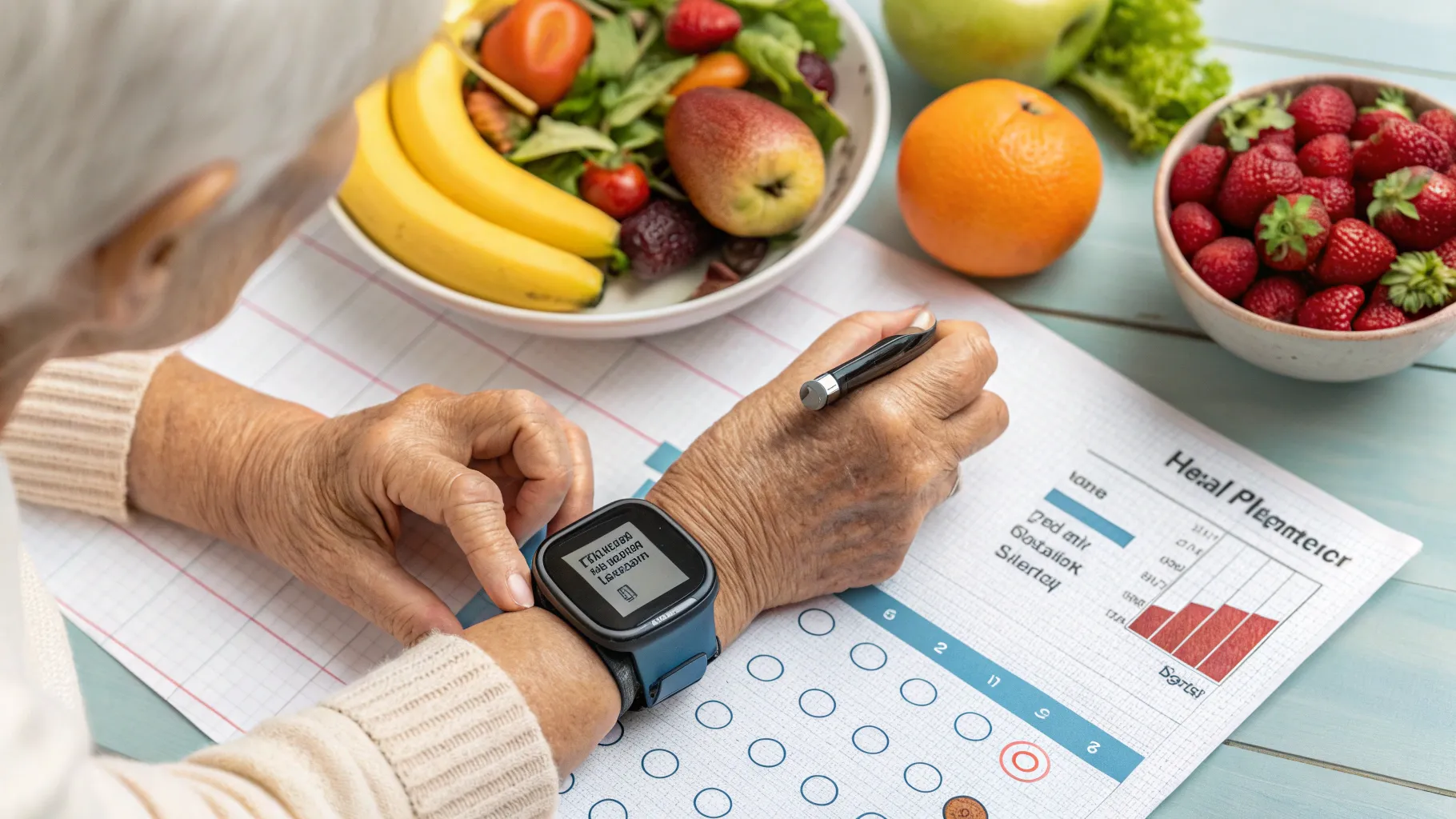
Understanding How Smart Devices Help Track Blood Sugar Levels in Older Adults
Managing diabetes is a critical aspect of health for many older adults. As the population ages, the prevalence of diabetes continues to rise, making effective monitoring and management essential. In this context, smart devices for blood sugar have emerged as transformative tools helping seniors track their glucose levels with ease and precision.
Smart Devices for Blood Sugar: An Overview
The last few years have seen a significant evolution in blood sugar tracking devices. From traditional glucometers to advanced wearable technology, these devices serve a vital role in managing diabetes. As of early 2025, it's estimated that more than 66% of older adults with diabetes are using some form of digital health tools to manage their condition.
Among the variety of wearable health technology, continuous glucose monitors (CGMs) have gained considerable traction. These devices provide real-time insights into glucose levels and trends, allowing users to make informed decisions about their diet, exercise, and medication. One recent study indicated that seniors using CGMs experienced a significant reduction in both hypoglycemic episodes and A1C levels, key markers in diabetes management.
How Smart Technology Enhances Glucose Monitoring for Seniors
Integrating smart devices into daily health routines offers practicality and empowerment to older adults. Let's explore a few ways these technologies support glucose management:
- Real-Time Tracking: Smart devices allow seniors to monitor their blood sugar continuously throughout the day. With alerts for high or low glucose levels, users can proactively address any fluctuations. For instance, if a user’s glucose level surpasses a pre-determined threshold, the device sends an immediate notification, prompting timely corrective action.
- Data Analysis: Many smart glucose monitoring devices come equipped with apps that analyze historical glucose data, providing trends that would be invisible with traditional methods. These insights can help seniors identify patterns related to food intake, physical activity, and medication adherence.
- Remote Monitoring: For caregivers and healthcare providers, smart glucose devices offer remote access to a senior's glucose data. This capability is invaluable for family members and physicians who want to ensure their loved ones are maintaining healthy glucose levels without intruding on their independence.
- Integration with Health Apps: Smart devices seamlessly connect with various health applications, allowing for holistic health management. Seniors can integrate their glucose data with other health metrics, such as blood pressure and weight, providing a comprehensive view of their health.
Recent advances include the development of smart contact lenses that can measure glucose levels through tears, presenting an even more user-friendly solution. This technology not only enhances comfort but also represents an exciting direction for the future of diabetes management.
The Benefits of Smart Health Tools
The integration of smart health tools into the daily lives of older adults offers numerous benefits, particularly in enhancing their quality of life. Here are some key advantages:
- Independence: Smart devices empower older adults to manage their condition with minimal assistance. By providing continuous monitoring and timely alerts, seniors can take charge of their health without relying heavily on caregivers.
- Improved Health Outcomes: By consistently tracking glucose levels and trends, seniors can better manage their diabetes, leading to fewer complications. Reports show that effective monitoring can significantly reduce hospitalization rates among elderly patients.
- Education and Support: Many smart glucose monitoring devices come with educational tools that help seniors understand their diabetes better. Whether it's understanding how nutrition affects glucose levels or the importance of medication timing, these resources are invaluable.
- Community Connection: Some devices link users to support communities or forums, providing a sense of belonging and shared experience. Interacting with peers who face similar challenges helps reduce feelings of isolation.
Importantly, as the market for these devices continues to expand, it's essential for older adults and their caregivers to choose the right technology that suits individual needs. Factors such as ease of use, accuracy, and compatibility with other health tools are key considerations.
Real-World Case Studies
Case studies highlight the transformative impact of smart diabetes monitoring in the lives of seniors. In a small town in Florida, a local community center began a pilot program providing CGMs to seniors diagnosed with diabetes. Participants reported increased confidence in managing their glucose levels and a newfound freedom to engage in social activities without fear of hypoglycemia. One participant, Mary, 72, expressed a sense of relief stating, "I no longer feel like I am constantly guessing with my health. The alerts save me from my old habits of neglect."
Alongside individual transformations, healthcare systems have also benefitted from implementing smart health tools. A recent initiative in a senior care facility in California incorporated CGMs as part of their routine care, resulting in a 30% decrease in emergency visits related to diabetes complications within the first six months.
Looking towards the future, the evolution of smart health technology promises even greater advancements. Innovations like artificial intelligence-driven predictive algorithms may emerge, enabling devices to foresee blood sugar fluctuations before they occur, ensuring help is always a step ahead.
As we continue into 2025, it is clear that the road ahead for seniors managing diabetes through smart device technology is bright. Greater access, improved designs, and advancements in connectivity will pave the way for healthier, more independent living for older adults across the nation.
In summary, understanding the function and benefits of smart devices for blood sugar is vital for older adults and their families. With so many options available today, embracing these technologies could mean the difference between managing diabetes with anxiety and living life with confidence.