Small Front Yard Landscaping Ideas to Maximize Your Curb Appeal
Facts:
- Vertical gardening can increase planting space by over 300% in a small yard.
- A major trend in compact yard landscaping is using native, low-maintenance plants.
Maximizing Curb Appeal: Transformative Small Front Yard Design
Transforming a limited outdoor area into a stunning entryway is a common challenge for homeowners. However, a small front yard doesn't mean you have to compromise on style or impact. With the right small front yard design, you can create a welcoming and lush landscape that significantly boosts your home's curb appeal. The key is to think strategically about space, scale, and plant selection. This guide provides comprehensive small front yard landscaping ideas that focus on maximizing every square inch, turning your compact space into a beautiful and functional extension of your home. We will explore various techniques and offer practical inspiration to get you started.
Core Principles for Compact Yard Landscaping
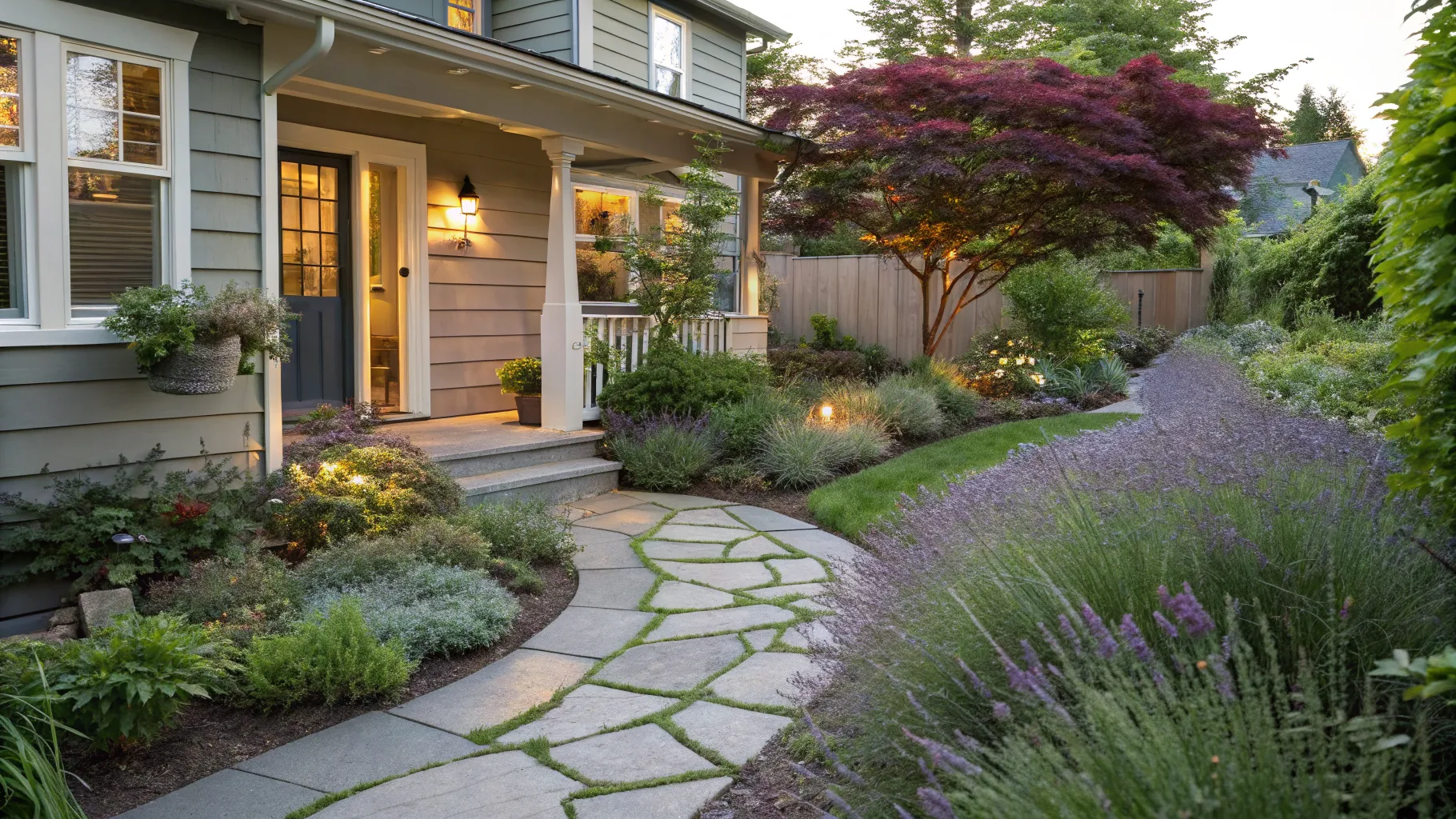
Before diving into specific ideas, it's crucial to understand the fundamental principles of compact yard landscaping. The goal is to create an illusion of space while ensuring the design is cohesive and visually appealing. Firstly, think vertically. Drawing the eye upward with tall, slender plants, trellises, or hanging baskets creates a sense of openness. Secondly, create depth through layering. Place taller plants in the back, medium-sized ones in the middle, and shorter ground covers in the front. This technique adds dimension and prevents the space from feeling flat. Lastly, unify the design with a consistent color palette and repeating shapes or materials. This creates a harmonious look that is essential for successful small outdoor space ideas, preventing the yard from looking cluttered or chaotic.
Inspiring Small Front Yard Landscaping Ideas to Try
Here is some detailed front yard landscaping inspiration to help you visualize the potential of your space. Each of these ideas can be adapted to suit your home's architectural style and your personal preferences.
1. Create a Winding Pathway
A straight path from the sidewalk to your door can make a small yard feel even smaller. Instead, introduce a gently curving pathway using materials like flagstone, pavers, or gravel. The curve encourages the eye to travel more slowly through the space, creating an illusion of a larger area. Line the path with low-growing perennials or ornamental grasses to soften the edges and add texture. This is a classic and effective technique in small front yard design.
2. Embrace Vertical Gardening
When ground space is at a premium, building up is the solution. Vertical gardens, living walls, or trellises covered in climbing vines like clematis or jasmine can add a dramatic touch of green without taking up valuable square footage. This approach is one of the most innovative small outdoor space ideas, allowing you to grow flowers, herbs, or even vegetables in a compact footprint.
3. Utilize Container Gardens and Tiered Planters
Container gardening offers incredible flexibility for any small front yard landscaping ideas. Use a collection of pots in various sizes, colors, and materials to create a dynamic display. Tiered planters are particularly effective as they allow you to layer plants vertically, adding height and interest. Arrange them near your entryway or along a walkway to create a welcoming focal point. You can easily change the plants with the seasons for year-round color.
4. Design with a Focal Point
Every great design needs a focal point to draw the eye. In a small yard, this could be a unique sculptural element, a small water feature like a bubbling urn, a birdbath, or a single specimen tree with an interesting shape, like a Japanese Maple. A well-placed focal point provides a central anchor for your front yard landscaping inspiration and distracts from the yard's small dimensions.
5. Layer Plants for Depth and Texture
Layering is a professional designer's secret for creating a lush, full look. Start with a backdrop of taller, evergreen shrubs against the house. In front of that, add a layer of medium-sized perennials with different bloom times. Finish with a border of low-growing annuals or groundcover. This mix of heights, textures, and colors adds incredible visual depth, making the compact yard landscaping feel much richer and more expansive.
Choosing the Right Plants for Small Outdoor Space Ideas
Plant selection is paramount in a small front yard design. Large, fast-growing trees or shrubs can quickly overwhelm the space. Instead, focus on dwarf or compact varieties that stay in scale with their surroundings. Here are some excellent choices:
- Dwarf Shrubs: Varieties like Boxwood, Dwarf Alberta Spruce, or Bobo Hydrangeas provide structure and greenery without getting too large. They are the backbone of many successful small front yard landscaping ideas.
- Perennials: Choose long-blooming perennials like Coneflowers, Salvia, and Catmint. Their vertical growth habit adds height without width.
- Ornamental Grasses: Grasses like Blue Fescue or Japanese Forest Grass add fine texture and movement to the garden, complementing bolder plants.
- Groundcovers: Plants like Creeping Thyme or Sedum can fill in gaps, suppress weeds, and soften the edges of pathways and garden beds.
Smart Hardscaping in Small Front Yard Design
Hardscaping—the non-plant elements of your landscape—provides the structure for your garden. In a compact yard landscaping project, every element must be chosen carefully. A low stone wall can define a garden bed and double as extra seating. A well-designed, narrow walkway can guide visitors to your door while creating visual flow. Outdoor lighting is also crucial; uplighting a small tree or illuminating a pathway not only adds safety but also creates dramatic nighttime appeal, making your small space feel special around the clock. These elements are foundational to excellent small outdoor space ideas.
Frequently Asked Questions
How can I make my small front yard look good on a budget?
You can achieve a beautiful look on a budget by focusing on high-impact, low-cost elements. Start with a thorough cleanup and add fresh mulch to garden beds. Planting perennials from seed or smaller starter plants can save a lot of money over time. Also, look for affordable container options and focus on a single, impressive focal point rather than many expensive features. These are smart small front yard landscaping ideas for those minding their expenses.
What is the best ground cover for a small front yard?
The best ground cover depends on your light conditions and climate. For sunny areas, Creeping Thyme and Sedum are excellent, drought-tolerant choices. For shady spots, consider Sweet Woodruff or Ajuga (Bugleweed). These plants spread nicely to create a lush carpet, which is a key component of many small front yard design concepts.
How do I add privacy to a small front yard?
Adding privacy without making the space feel closed-in is a common challenge. Instead of a solid, tall fence, consider a lattice screen with climbing vines. You can also strategically place a few tall, columnar shrubs or a multi-stemmed tree to block specific views. This approach provides screening while maintaining an open feel, a crucial balance in compact yard landscaping.
References
- The Principles of Landscape Design
- National Gardening Association Journal
- Home & Garden Architectural Digest
- Small-Space Gardening Guide