Slow Down Dementia Naturally with Lifestyle Changes
How to Slow Down Dementia Naturally Explained
Dementia is a complex condition that affects millions of individuals worldwide, hindering their cognitive abilities and impacting their quality of life. As of now in 2025, statistics indicate that around 55 million people are living with dementia globally, with this number expected to increase substantially in the coming years. As awareness rises about this condition, more families are seeking ways to slow down dementia naturally. This article explores practical and research-backed lifestyle changes that can help support cognitive health and may assist in slowing the progression of dementia.
Understanding Lifestyle Factors Linked to Dementia
Emerging research underlines the significance of lifestyle factors in influencing cognitive health. In particular, four main lifestyle areas have shown a strong correlation with dementia risk:
- Physical Activity: Engaging in regular physical exercise has been linked to improved brain health. A recent study highlighted that just 150 minutes of moderate aerobic activity per week can reduce the risk of cognitive decline.
- Diet: The Mediterranean diet, rich in fruits, vegetables, whole grains, fish, and healthy fats, has been associated with lower rates of dementia. Recent updates point to how antioxidants in these foods combat oxidative stress, a key factor in brain aging.
- Mental Stimulation: Activities that challenge the brain, such as puzzles, reading, or learning a new language, can foster cognitive resilience. A 2025 survey revealed that older adults who regularly engaged in mentally stimulating activities maintained better cognitive function.
- Social Engagement: Social connections have a proven positive impact. Maintaining robust social networks has been linked to lower rates of cognitive decline, reinforcing the notion that community engagement is vital for brain health.
Examples of Non-Medical Activities Discussed for Cognitive Support
Beyond standard medical advice, families are exploring various non-medical activities that contribute to cognitive wellness. Here are several practical examples where individuals and families are making strides in cognitive support:
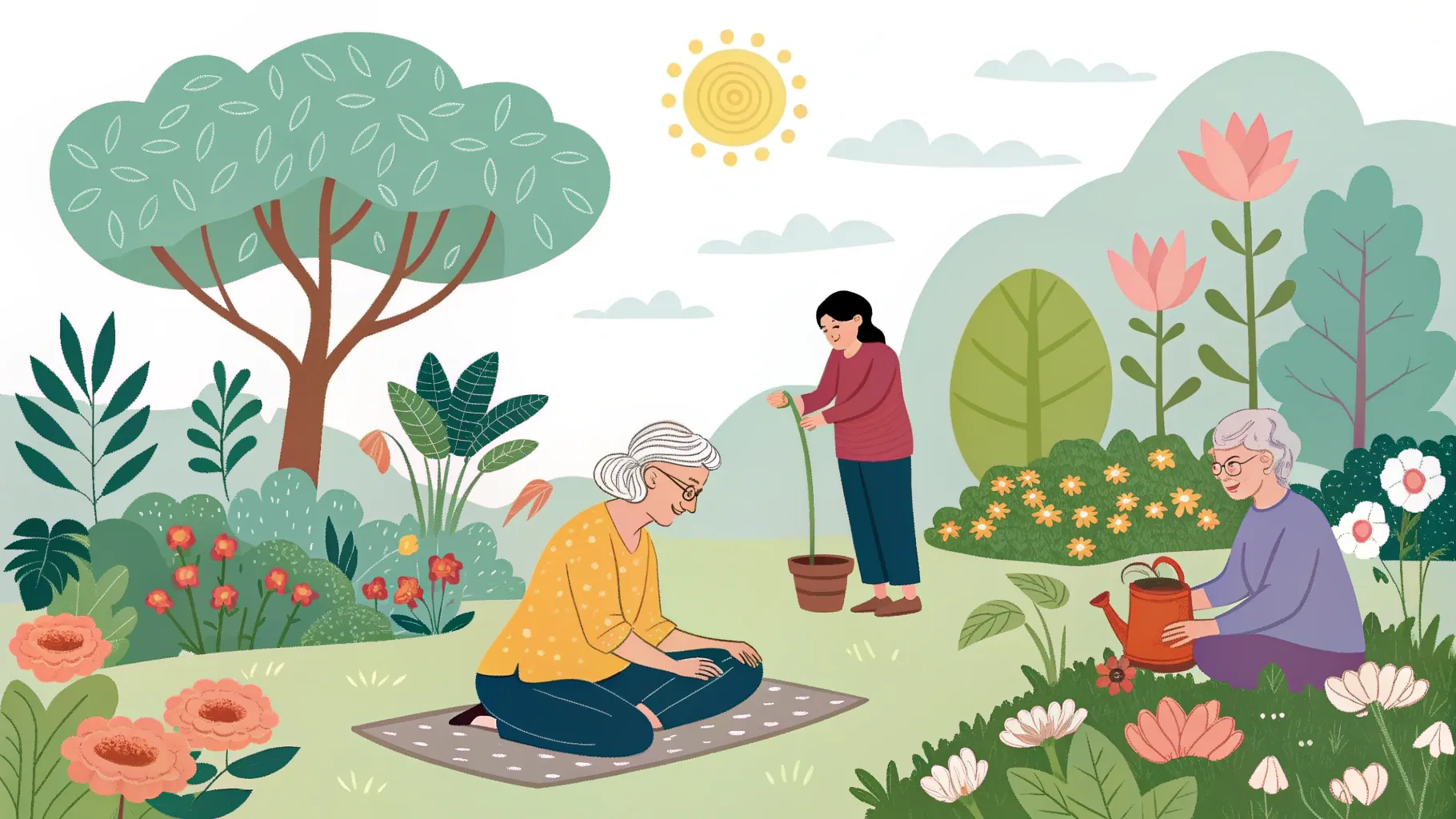
- Gardening: Embracing nature through gardening not only provides physical activity but also reduces stress. Studies highlight that gardening can improve mood and increase feelings of well-being while engaging multiple senses.
- Art and Music: Creative activities, like painting or playing music, stimulate the brain's creative centers. A community program offered in local centers has reported improved cognitive functions in older adults participating in these creative pursuits.
- Mindfulness and Meditation: Practicing mindfulness doesn't just reduce stress but also enhances focus and attention. In 2025, several programs focusing on mindfulness have demonstrated reductions in anxiety and heightened cognitive performance among seniors.
- Volunteering: Engaging in volunteer work boosts self-esteem and introduces purpose, which are crucial for emotional and mental health. A recent report showed that seniors who volunteer tend to exhibit lower depression rates, enhancing overall cognitive health.
Implementing simple routines that incorporate these activities proves beneficial. For example, a family evening each week dedicated to games or a community art class can not only enhance cognitive function but also strengthen familial bonds.
Educational Guide to Brain Health and Dementia
Education plays a pivotal role in promoting brain health. Families are encouraged to invest time in learning about dementia, understanding its risk factors, and spreading awareness. Resources such as local workshops, webinars, and online courses provide excellent avenues for acquiring knowledge.
Recent public health initiatives have emerged across various communities, providing readily accessible information on the impact of lifestyle choices on dementia risk. By attending these educational sessions, families can be equipped with tools and resources to support their loved ones effectively.
How Families Explore Natural Approaches to Cognitive Wellness
Engaging families in natural approaches to cognitive wellness fosters an environment that supports not only the individual suffering from dementia but the entire family unit. By adopting lifestyle changes and embarking on this journey together, families create a supportive framework that can lead to successful outcomes.
Numerous families in 2025 have shared their success stories involving lifestyle modifications. Some have formed group exercise routines, where they engage in walking clubs or yoga sessions. Others have adopted healthy eating habits as a family, incorporating more fresh produce into their meals. These shared activities not only aim to reduce dementia risk but also help enhance family dynamics.
In addition, keeping a daily journal to track cognitive improvement and personal experiences serves as motivational reinforcement. Some families share these journals together at regular intervals, fostering a supportive dialogue about their loved one’s progress.
Overall, the exploration of natural methods to slow down dementia offers hope not only through dietary changes or engaging activities but also through the emotional connection fortified by families working together for a common goal. It is vital that every family keeps an open line of communication, uses a supportive approach, and remains dedicated to enhancing brain health for their loved ones.
In conclusion, while there is no one-size-fits-all solution, the synergy of lifestyle choices rooted in natural practices empowers families to confront dementia's challenges. By fostering environments rich in support, understanding, and engagement, we can make significant strides in enhancing cognitive wellness and slowing down dementia naturally.