Slow Down Dementia Naturally with Lifestyle Factors and Acti
How to Slow Down Dementia Naturally Explained
Dementia is a term that encompasses a range of symptoms related to the decline of cognitive function, severely affecting daily living and quality of life. In 2025, the focus has shifted toward understanding how to slow down dementia naturally, prioritizing holistic and lifestyle approaches over purely medical interventions. While there is no cure for dementia, research shows that certain lifestyle factors can positively impact brain health, providing families with practical strategies to explore.
Understanding Lifestyle Factors Linked to Dementia
Research conducted in the past year indicates that lifestyle choices play a significant role in cognitive health. A study published in the Journal of Aging Research in January 2025 highlighted that individuals who maintain an active lifestyle, engage in regular social interactions, and eat a balanced diet rich in whole foods have a lower risk of cognitive decline. Here's a breakdown of key lifestyle factors linked to dementia prevention:
- Physical Activity: Regular exercise is shown to improve blood flow to the brain and enhance the production of neuroprotective proteins. Just 30 minutes of moderate exercise five times a week can significantly slow cognitive decline.
- Sociability: Engaging in social activities and maintaining strong family relationships can help reduce loneliness and depression, both of which are risk factors for dementia.
- Nutrition: A diet low in saturated fats and rich in fruits, vegetables, whole grains, and omega-3 fatty acids is essential. The Mediterranean diet, in particular, has received considerable attention for its cognitive benefits.
- Mental Stimulation: Activities that challenge the brain - such as puzzles, reading, or learning a new skill - can help build cognitive reserve.
By integrating these factors into daily life, families can create an environment that supports cognitive wellness and may slow the progression of dementia.
Examples of Non-Medical Activities Discussed for Cognitive Support
Health experts continually emphasize the importance of non-medical activities for cognitive support. Here are several engaging activities backed by research that families can explore together to boost brain health:
- Arts and Crafts: Engaging in creative activities allows seniors to express themselves and improve dexterity. Art therapy programs have shown promise in enhancing mood and cognitive functions for those with dementia.
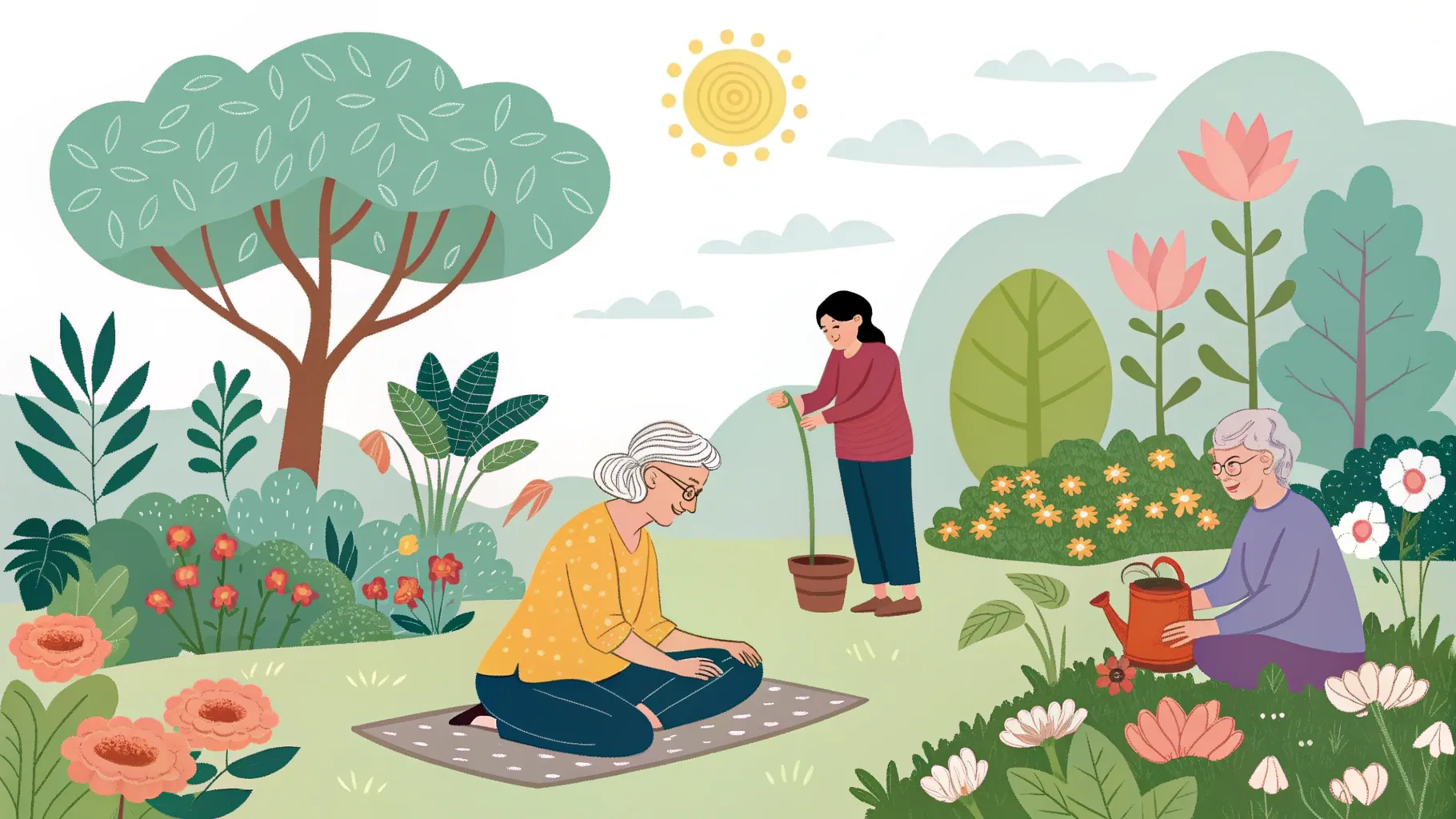
- Gardening: Not only does gardening provide physical exercise, but nurturing plants also fosters a sense of purpose and accomplishment, crucial for mental health.
- Pet Therapy: Interacting with pets can reduce stress and improve mood. Recent studies suggest that pet ownership can reduce the risk of cognitive impairment in seniors.
- Group Games: Card games, board games, or even group debates can boost cognitive functions and encourage social interaction. A recent community center initiative in Illinois reported improved cognitive scores among participants aged 65+ after regularly engaging in group games.
Adopting these non-medical strategies not only cultivates a nurturing environment for those affected by dementia but also fosters meaningful connections among family members.
Educational Guide to Brain Health and Dementia
Families seeking to enhance brain health should consider delving into educational resources that provide insights into dementia and cognitive wellness. Community workshops, online courses, and support groups are excellent avenues for gaining knowledge. The Alzheimer’s Association has expanded its resource offerings in 2025, rolling out comprehensive guides focusing on prevention and management strategies for families dealing with dementia. Awareness programs can shed light on how early detection and lifestyle modifications can positively influence the course of the disease.
These educational opportunities encourage proactive measures, assisting families in understanding how daily habits can affect brain health. For instance, a workshop held last month in New York emphasized the impact of hydration on cognitive function, reminding participants that drinking sufficient water can significantly affect mental clarity.
How Families Explore Natural Approaches to Cognitive Wellness
Families across the globe are increasingly exploring various natural approaches to cognitive wellness. The shift toward embracing holistic practices is evident in community initiatives and local support groups. In 2025, many families are adopting these exploration strategies:
- Participating in Community Programs: Local organizations are hosting events focused on mental health, nutrition, and exercise. Families can join group activities that promote socialization while learning about dementia.
- Incorporating Mindfulness Practices: Mindfulness, meditation, and yoga are gaining traction as beneficial practices for reducing stress and improving concentration. A study from a meditation retreat in California revealed that participants experienced a marked improvement in cognitive function after engaging in regular mindfulness sessions.
- Seeking Professional Guidance: Consulting with nutritionists, personal trainers, or cognitive therapists can provide personalized guidance tailored to individual needs. A neuropsychologist in a recent interview stressed that approaching cognitive wellness from multiple angles yields the best results.
- Creating Routine: Establishing routines can provide structure and stability, which is especially beneficial for individuals with dementia. Families are encouraged to develop daily schedules incorporating physical activities, balanced meals, and cognitive challenges.
Ultimately, families discovering natural approaches to cognitive wellness revel in the notion that while dementia may be a part of life, their loved ones can still live fulfilling lives. Addressing dementia through lifestyle changes not only creates a supportive atmosphere but also reinforces the value of connection, creativity, and community.
As we move through 2025, the conversation around dementia continues to evolve, steering toward integrative and natural coping strategies. By focusing on holistic wellness, families foster a more nurturing and supportive environment for loved ones and themselves, championing the cause of brain health.