Sleep Tips for Older Adults for Healthy Restful Nights
Sleep Tips for Older Adults: Improving Health and Well-being
As seniors navigate life, one major challenge that they often face is getting quality sleep. For many older adults, the restful nights they once enjoyed can become elusive, leading to a range of health issues. Fortunately, by implementing effective sleep strategies, older adults can enhance their sleep quality and, in turn, their overall well-being. This article delves into practical sleep tips designed specifically for older adults, examines common sleep challenges, and discusses how to create an ideal sleep environment.
Healthy Sleep Routines for Seniors
Establishing a healthy sleep routine is crucial for older adults. Research from the National Sleep Foundation indicates that nearly 40% of seniors struggle with sleep, which can increase risks for conditions like depression and heart disease. A systematic approach to improving sleep can yield significant benefits in mood, mental clarity, and physical health.
Here are essential components of a healthy sleep routine:
- Consistency is key: Going to bed and rising at the same time every day boosts your body's internal clock, promoting better overall sleep quality.
- Make time to unwind: Create a calming bedtime routine by engaging in relaxing activities—like reading or gentle relaxing yoga. Taking at least 30 minutes to wind down signals to your body that it's time to sleep.
- Mind your naps: While short daytime naps can recharge energy, long naps may interfere with nighttime sleep. Limit naps to 20-30 minutes and schedule them earlier in the day.
Integrating these elements into a daily routine can dramatically improve sleep quality. Studies show individuals maintaining regular sleep schedules exhibit better cognitive function and overall mental health, vital components for seniors striving for an active lifestyle.
Common Sleep Challenges Faced by Older Adults
Many factors can disrupt sleep as individuals age. Understanding these common issues can empower seniors to seek appropriate solutions:
- Insomnia: Chronic insomnia affects about 20% of older adults, leading to discomfort and distress.
- Sleep Apnea: Nearly 50% of older adults suffer from sleep apnea, causing breathing interruptions that fragment sleep throughout the night.
- Restless Legs Syndrome (RLS): Affecting up to 10% of seniors, RLS results in uncomfortable sensations in the legs, delaying the onset of sleep.
Older adults facing persistent sleep problems should consult healthcare providers. Recent advances in treatment options and behavioral therapies can significantly impact sleep quality and overall health.
Creating a Supportive Sleep Environment
To cultivate a better sleep environment, older adults can adopt various strategies that support relaxation and comfort. The impact of physical surroundings on sleep is profound, and simple changes can lead to better rest:
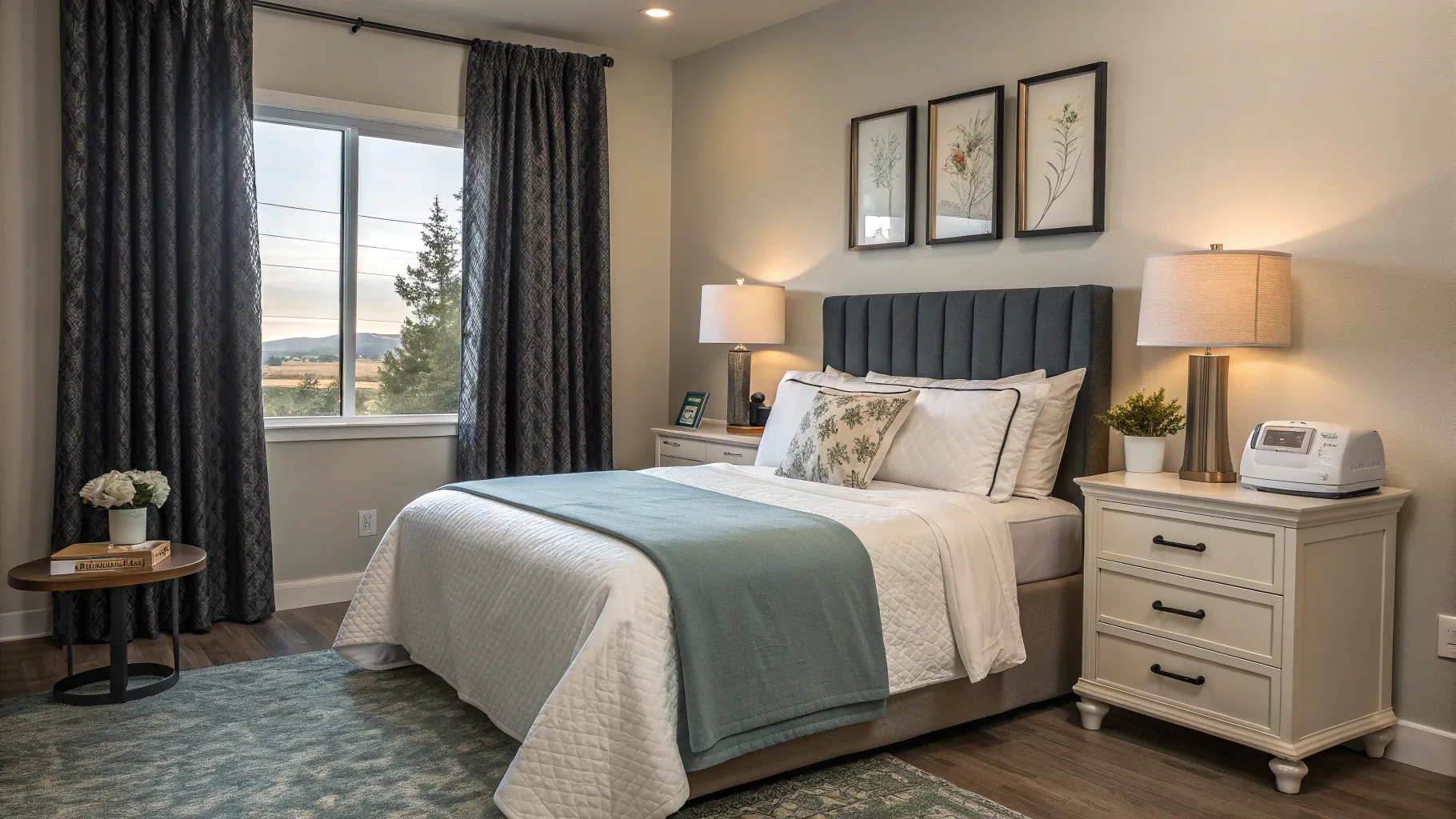
- Optimize your space: A cool, dark, and quiet bedroom enhances sleep quality. Utilizing blackout curtains can help block excessive light, while a white noise machine can mask disruptive sounds.
- Invest in comfort: Quality bedding is vital. Seniors often benefit from medium-firm mattresses as they provide balanced support, while also ensuring that pillows and sheets are comfortable and clean.
- Limit screentime before bed: The blue light emitted by screens can interfere with the natural sleep cycle. Instead of scrolling through devices, consider reading a book or practicing mindfulness before sleep.
In a recent case study conducted with a group of seniors who made these adjustments, participants noted up to a 30% improvement in sleep quality within just a few weeks. This serves as a compelling reminder that even small changes can lead to significant benefits.
Additional Tips for Better Sleep
To further enhance sleep quality, older adults can adopt several additional practices that are conducive to restful nights:
- Stay active: Regular physical activity during the day, ideally 30 minutes of moderate exercise, promotes better sleep. However, it’s wise to avoid intense workouts too close to bedtime, as they might have the opposite effect.
- Mind your intake of caffeine and alcohol: Both substances can disrupt sleep patterns. For optimal results, it's advisable to limit these, particularly in the hours leading up to sleep.
- Seek natural light: Exposure to sunlight during the day helps regulate natural sleep cycles. Spending time outdoors or near windows can be beneficial for overall well-being.
These additional tips are substantiated by recent studies showing that older adults who maintain healthy lifestyle choices enjoy improved sleep and greater vitality.
The Importance of Sleep for Older Adults
Prioritizing sleep is essential for older adults, not just for physical health but also for preserving mental acuity and emotional balance. By acknowledging their unique sleep challenges and actively working to foster a supportive sleep environment, seniors can transform their sleep patterns and quality of life.
It’s empowering for older adults to realize that they possess the tools to take control of their sleep health. By forming good habits, maintaining a comfortable and tranquil bedroom, and seeking help when needed, they can enjoy better sleep and, consequently, a more vibrant daily life. Remember, achieving quality sleep is not merely indulgent; it is a fundamental aspect of healthy aging.