Sleep Tips for Older Adults to Enhance Quality of Life
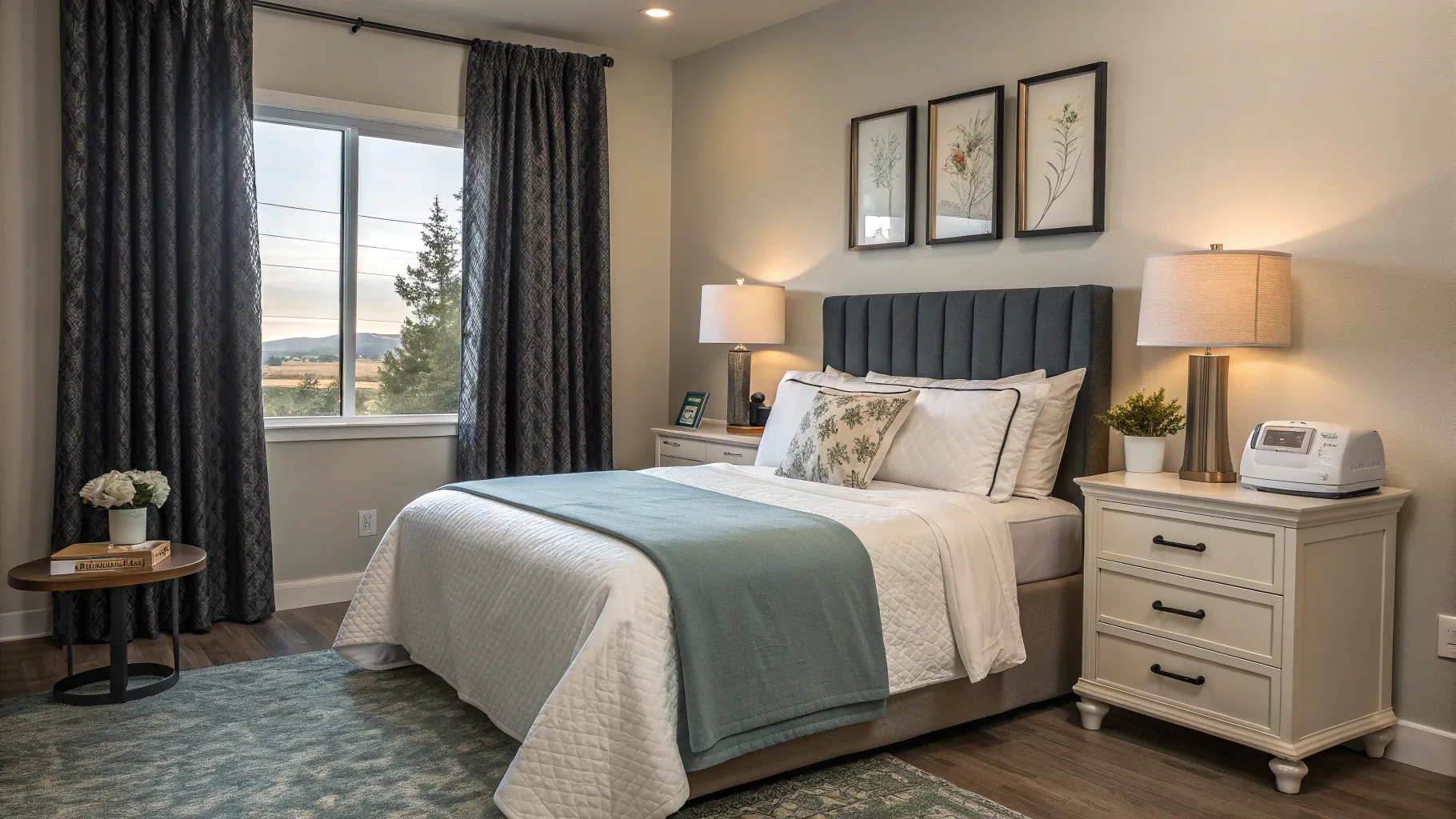
Sleep Tips for Older Adults in 2025
As we continue to age, the importance of good sleep cannot be overstated. For many older adults, achieving restful and adequate sleep presents numerous challenges. Sleep disturbances not only affect daily functioning but can also impact overall health. In 2025, it’s critical to emphasize healthy sleep routines and create environments conducive to quality sleep for seniors.
Understanding Healthy Sleep Routines for Seniors
Statistics reveal that approximately 50% of seniors struggle with sleep-related issues such as insomnia or restless leg syndrome. These challenges can arise from various factors, including chronic health conditions, medications, or even stress. Recent trends indicate that seniors are encouraged to aim for 7 to 8 hours of uninterrupted sleep each night.
Establishing a consistent bedtime ritual helps signal to the brain that it’s time to sleep. Consider gentle activities like reading, meditative breathing, or relaxing stretches that promote relaxation right before bedtime. These practices can greatly enhance sleep quality.
Creating a Personalized Sleep Schedule
One effective way to improve sleep stability is by setting a consistent sleep schedule. By going to bed and rising at the same time each day, seniors can help regulate their internal clocks, which makes falling asleep and waking up easier. Tools like planners or digital reminders on smartphones can assist in maintaining this schedule. Regularity fosters a more natural sleep pattern, promoting deeper rest.
Nourishing Meals and Hydration Practices
The impact of diet on sleep quality, especially in older adults, is profound. Maintaining a balanced and healthy diet optimizes relaxation and sleepfulness. It is wise to steer clear of heavy meals, caffeine, and alcohol close to bedtime, as these can lead to restlessness. Instead, light snacks such as a banana or a small serving of oatmeal may be beneficial if hunger strikes before sleep.
Hydration, too, is critical. Staying well-hydrated throughout the day contributes to better health but requires cautious management in the evening hours to avoid disruptive nighttime trips to the bathroom. Experts advise drinking enough water during the day while reducing intake a few hours before bed.
Common Sleep Challenges Facing Older Adults
Identifying prevalent sleep-related issues is the first step toward finding solutions. Here are some common challenges:
- Insomnia: Research indicates that around 30% of older adults regularly experience insomnia, which affects their quality of sleep.
- Sleep Apnea: This serious disorder leads to repeated interruptions in breathing during sleep, contributing significantly to sleep deprivation and related health concerns.
- Restless Leg Syndrome (RLS): Many seniors face uncomfortable sensations in their legs during the night, compelling them to move, which disrupts peaceful slumber.
- Mental Health Issues: Mental conditions such as depression and anxiety can severely impact sleep. It is vital to address these issues with professional guidance.
Seeking Professional Guidance for Sleep Problems
When sleep challenges become persistent, it is crucial to consult healthcare providers. Determining the root causes and finding effective remedies is essential. Innovative treatment options, including cognitive behavioral therapy aimed specifically at treating insomnia (CBT-I), are now being recognized as viable alternatives to medications. This approach equips seniors with tools to tackle their sleep challenges more effectively.
Crafting a Sleep-Friendly Environment for Seniors
The environment in which one sleeps has a substantial influence on sleep quality. By implementing a few strategic adjustments, older adults can set the stage for restful nights.
- Optimal Mattress and Pillows: It is important to invest in a supportive and comfortable mattress. Switching to a new mattress can greatly enhance sleep quality. Adjustable pillows can offer additional neck support, improving comfort as well.
- Dark and Quiet Atmosphere: Reducing light and sound disturbances is vital. Implementing blackout curtains and considering sound-masking devices like white noise machines can be helpful.
- Temperature Control: Keeping the bedroom cool, ideally between 65 and 70 degrees Fahrenheit, sets a favorable temperature for restful slumber.
- Minimize Screen Time: The blue light emitted by smartphones and computers can hinder melatonin production—the sleep hormone. Reducing screen time an hour before bed can significantly improve sleep onset.
Incorporating Relaxation Techniques into Your Routine
Engaging in relaxation exercises is a terrific way for seniors to ease into sleep. Techniques such as deep breathing, mindfulness meditation, or gentle yoga can lower stress levels and help to calm the mind. New findings reveal that seniors who practice these relaxation techniques enjoy better sleep quality and prolonged sleep duration.
Awareness of the relationship between daily lifestyle choices and sleep quality empowers older adults to implement necessary adjustments for better nights. A holistic approach that merges proper nutrition, advantageous environmental changes, and mental health support is essential for effective sleep health. Addressing specific sleep challenges while fostering a nurturing sleep environment plays a pivotal role in enhancing quality of life for our senior community.
By equipping seniors with the knowledge and tools to conquer sleep difficulties, we can help them enjoy restful nights and refreshing mornings, ultimately enabling them to embrace life with enthusiasm and energy.