Sleep Tips for Older Adults: The Ultimate Guide to Restful Nights
Facts:
- Sleep patterns naturally change as people age.
- Consistent bedtime routines are a key trend for older adults.
Why Sleep Quality Can Decline With Age
As we enter our golden years, getting a full night of restorative sleep can become more challenging. Changes in our body's internal clock, increased prevalence of certain medical conditions, and side effects from medications can all contribute to a decline in sleep quality. This makes understanding effective sleep tips for older adults more crucial than ever. Many individuals experience senior sleep problems, such as difficulty falling asleep, waking up frequently during the night, or feeling unrested in the morning. Fortunately, there are many strategies and lifestyle adjustments that can provide significant sleep help for seniors and pave the way for more restful nights.
Creating a Sleep-Inducing Environment
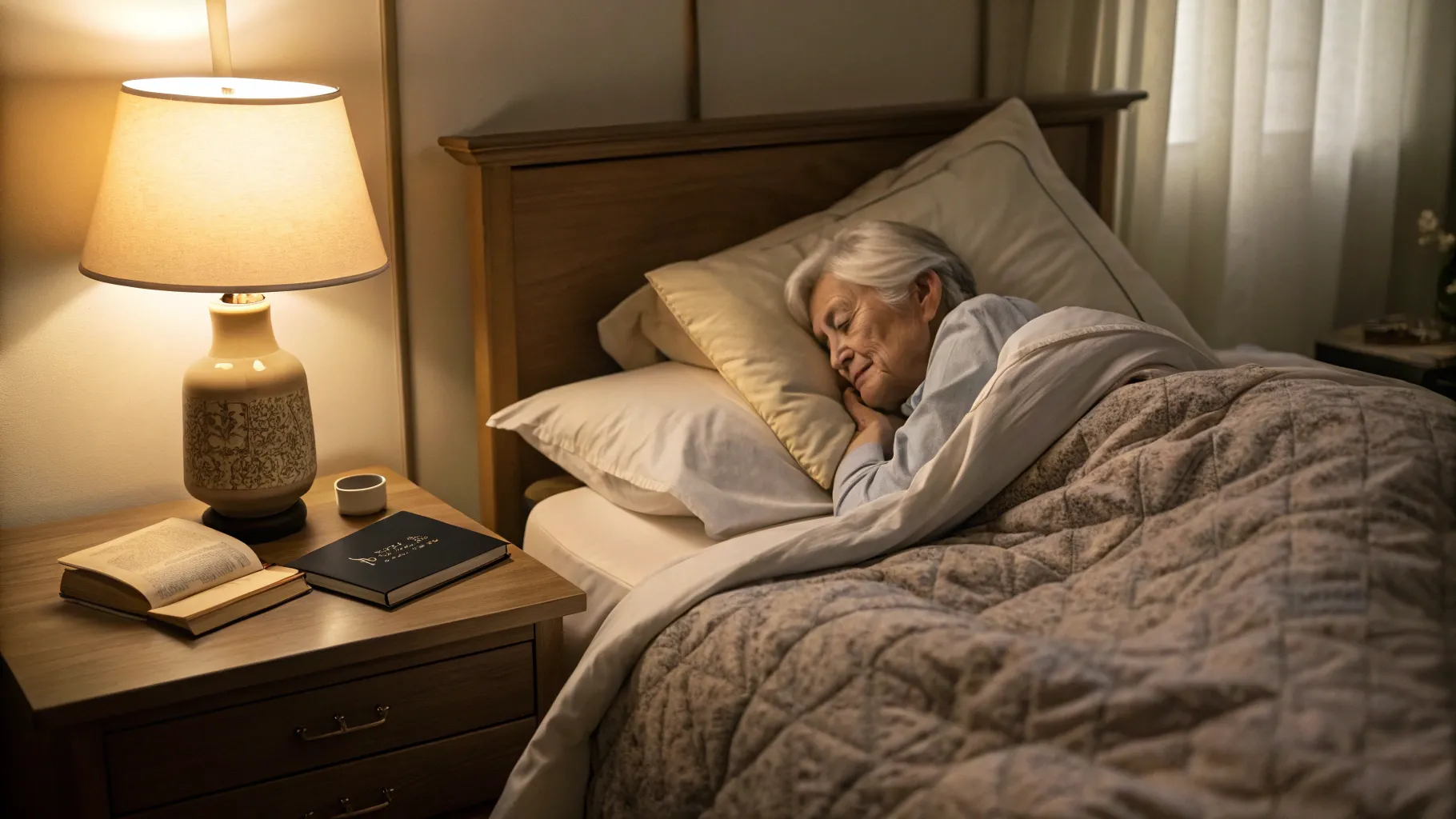
One of the most effective ways to improve sleep aging is by optimizing your bedroom for rest. Your environment sends powerful signals to your brain, and a room designed for sleep can make a world of difference. This goes beyond just having a comfortable mattress. Think about light, sound, and temperature as the three pillars of a sleep-friendly sanctuary. Implementing these sleep tips seniors can use is a foundational step toward resolving common sleep issues. The goal is to create a space that is exclusively associated with peace and rest, signaling to your body that it's time to wind down.
Control Light Exposure
Exposure to light, especially blue light from screens, can suppress the production of melatonin, the hormone that regulates sleep. Use blackout curtains to block external light and avoid using phones, tablets, or televisions in the hour before bed. If you need a nightlight, opt for a dim, warm-colored one.
Set the Right Temperature
A cool room is more conducive to sleep. Most experts recommend a bedroom temperature between 60-67°F (15-19°C). Your body temperature naturally drops to initiate sleep, and a cool room helps facilitate this process. Experiment to find the temperature that works best for you.
Minimize Noise Disruptions
Unwanted noise can easily disrupt sleep, even if you don't fully wake up. Consider using a white noise machine, a fan, or earplugs to mask disruptive sounds from traffic, neighbors, or a snoring partner. This provides a consistent, soothing auditory backdrop that helps you stay asleep.
Developing Healthy Daytime Habits for Nighttime Success
What you do during the day has a profound impact on how to sleep better older adults at night. Your daily routines, from when you wake up to what you eat, can either support or sabotage your sleep. Establishing a consistent schedule helps regulate your body's circadian rhythm, which is the internal clock that governs your sleep-wake cycle. For those seeking sleep help for seniors, focusing on daytime habits is a proactive and powerful approach.
Stick to a Regular Sleep Schedule
Try to go to bed and wake up at the same time every day, even on weekends. This consistency reinforces your body's sleep-wake cycle and can help you fall asleep more easily at night. A regular schedule is one of the most powerful sleep tips for older adults.
Be Mindful of Diet and Fluids
Avoid large meals, caffeine, and alcohol close to bedtime. Caffeine can stay in your system for hours, while alcohol, though it may make you feel sleepy initially, disrupts sleep later in the night. Limiting fluids in the evening can also reduce the need for nighttime bathroom trips, a common cause of senior sleep problems.
Incorporate Regular Physical Activity
Regular exercise can significantly improve sleep aging. Aim for at least 30 minutes of moderate activity most days of the week, but try to finish your workout at least three hours before bedtime. Gentle activities like walking, swimming, or yoga are excellent choices.
Crafting a Relaxing Bedtime Ritual
A consistent pre-sleep routine can signal to your brain and body that it's time to wind down. This is crucial sleep help for seniors, as it helps transition from the busyness of the day to a state of calm readiness for sleep. The activities you choose should be relaxing and enjoyable. Avoid anything stressful or stimulating, such as watching the news or discussing finances. This ritual can become a cherished part of your day and a powerful tool for better sleep.
Addressing Common Senior Sleep Problems Directly
While lifestyle changes are effective, some senior sleep problems may require more targeted approaches or medical consultation. Issues like insomnia, sleep apnea, or Restless Legs Syndrome are common in older adults and can severely impact quality of life. Knowing when to seek professional advice is key to understanding how to sleep better older adults when basic tips aren't enough. A doctor can help rule out underlying medical conditions and suggest appropriate treatments.
When to Consult a Doctor for Sleep Issues
If you've implemented these sleep tips seniors are often recommended and still experience persistent trouble sleeping, it's time to speak with your healthcare provider. Chronic sleeplessness is not a normal part of aging. Your doctor can assess your symptoms, review your medications for potential side effects that interfere with sleep, and, if necessary, refer you to a sleep specialist. Getting professional sleep help for seniors can identify underlying conditions like sleep apnea or restless legs syndrome that require specific medical treatment.
Frequently Asked Questions
Is it normal to need less sleep as an older adult?
This is a common myth. While sleep patterns may change, older adults still need about 7-9 hours of sleep per night, the same as younger adults. The challenge often lies in achieving this sleep in a consolidated block, which is why addressing senior sleep problems with effective strategies is so important.
What are some quick sleep tips seniors can try tonight?
To improve sleep aging quickly, try creating a relaxing bedtime routine. Take a warm bath, listen to calming music, or read a book in dim light. Also, ensure your bedroom is cool, dark, and quiet. Avoiding caffeine and heavy meals in the evening can also provide immediate benefits and is excellent sleep help for seniors.
References
- National Institute on Aging - Sleep and Aging
- American Academy of Sleep Medicine - Healthy Sleep Habits
- The Sleep Foundation - Sleep Guidelines for Older Adults