Simple Ways to Achieve Streak-Free Windows
Having clean, clear windows can brighten up any room, letting in more natural light and improving your view of the outdoors. While it may seem like a daunting chore, achieving a professional, streak-free finish is easier than you might think. With the right tools, a simple cleaning solution, and the correct technique, you can make your glass panes spotless.
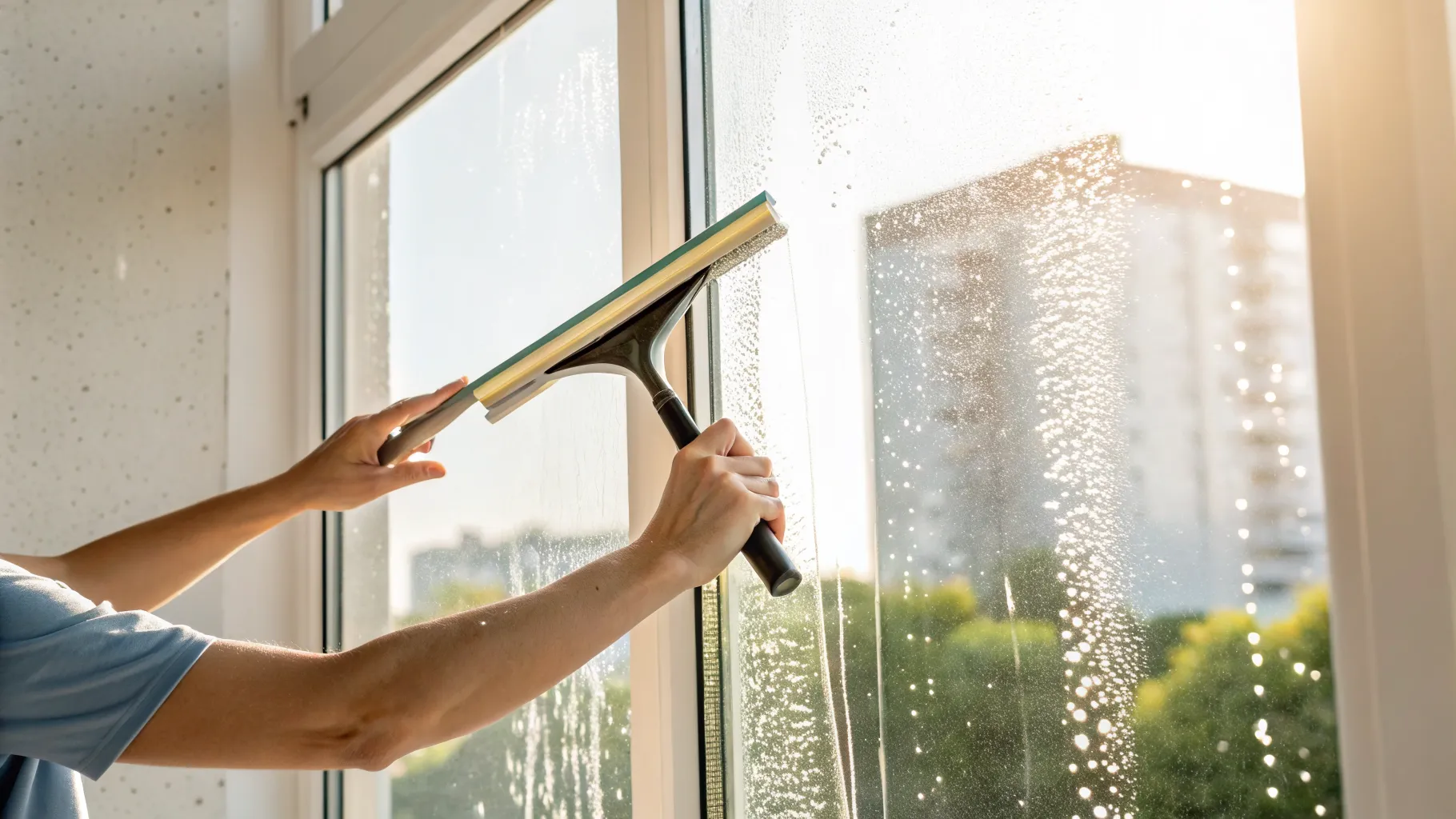
Gathering the Right Tools
The secret to streak-free windows isn't a magical cleaning spray; it's often the tools you use. The most important item in your window-washing kit is a high-quality squeegee. Look for one with a sharp, flexible rubber blade that is free of nicks or cracks. A 10 to 12-inch squeegee is a versatile size for most home windows. A poor-quality or worn-out blade is one of the biggest culprits behind streaks.
Alongside your squeegee, you will need a few other key items. A bucket is necessary to hold your cleaning solution. Many professionals use two: one for the soapy water and one with clean water for rinsing the scrubber. You'll also want a scrubber or a large sponge to apply the cleaning solution. Finally, have several clean, lint-free cloths on hand. Microfiber cloths are an excellent choice for wiping the squeegee blade between passes and for drying the window frames and sills.
Mixing Your Own Cleaning Solution
You don't need to purchase expensive, specialized cleaners to get great results. Simple, homemade solutions are not only cost-effective but also free from harsh chemicals that can be harmful to you and the environment. One of the most popular and effective DIY recipes is a simple vinegar solution.
To make it, just follow these simple steps:
- Vinegar and Water Solution: Mix equal parts white vinegar and warm water in your bucket. The acetic acid in the vinegar is excellent at breaking down dirt, grime, and mineral deposits without leaving a film.
- Simple Soap Solution: If your windows are especially dirty, a basic soap solution can provide more cleaning power. Add a few drops of a mild dishwashing liquid to a gallon of warm water. Be careful not to use too much soap, as excessive suds can be difficult to remove and may leave a residue that causes streaks.
The Proper Technique for Washing
The method you use to wash and dry the glass is crucial for a streak-free result. Before you apply any water, it's a good idea to brush or vacuum the window frames, sills, and tracks. This removes loose dirt and dust, preventing it from turning into a muddy mess when you add water. Lay an old towel along the windowsill inside to catch any drips.
Once prepped, dip your scrubber into the cleaning solution and apply it liberally to the entire glass surface, working from top to bottom. Then, take your squeegee. Start at a top corner, press the blade firmly against the glass, and pull it down in a single, smooth stroke. After each pass, wipe the rubber blade clean with a microfiber cloth. Overlap your next stroke by about an inch to ensure you don't miss any spots.
Tackling Tough Stains and Buildup
Sometimes, windows have more than just a layer of dust and grime. They can have stubborn spots like hard water stains, bird droppings, or sap from trees. For these tougher challenges, you may need a more targeted approach before your main wash. Hard water stains, which are mineral deposits left behind by evaporated water, can often be tackled with a more concentrated application of your vinegar solution. Let it sit for a few minutes to dissolve the minerals before scrubbing.
For sticky substances like sap or residue from old stickers, rubbing alcohol applied with a cloth can help break them down. For caked-on dirt, a non-abrasive scrubbing pad can provide the extra friction needed. Always test any new method on a small, inconspicuous area first to ensure it doesn't scratch or damage the glass. For things like paint splatters, a plastic scraper can be effective, but use it gently and at a low angle to avoid scratching.
Choosing the Best Time to Clean
Believe it or not, the weather and time of day can significantly impact your window cleaning results. The biggest mistake people make is washing windows in direct, hot sunlight. While a bright, sunny day might seem like the perfect time to spot all the dirt, the heat causes the cleaning solution to evaporate almost instantly on the glass surface. This rapid drying is what leaves behind spots and streaks before you have a chance to squeegee it off.
The ideal conditions for window washing are on a cool, overcast day. The lack of direct sun and lower temperatures will give you plenty of time to work without the solution drying too quickly. If you must clean on a sunny day, try to work in the early morning or late afternoon when the sun is less intense. You can also work on the shaded side of the building, following the shade as it moves throughout the day.
Don't Forget the Details: Frames and Sills
A perfectly clean pane of glass won't look its best if it's surrounded by a dirty frame and sill. A complete window cleaning job includes cleaning these surrounding elements. As mentioned earlier, it's best to do this before you start on the glass to prevent dirt from smearing onto your clean window. A vacuum with a brush attachment is great for clearing loose debris from window tracks.
After vacuuming, use a damp cloth with your cleaning solution to wipe down the frames and sills. For vinyl or metal frames, a simple soap and water mixture is usually sufficient. If you have painted wood frames, be careful not to use too much water, which could damage the paint or wood over time. Wiping these areas clean and drying them thoroughly provides a polished look and helps keep your windows cleaner for longer.