Simple Tips for Staying Warm This Winter Season
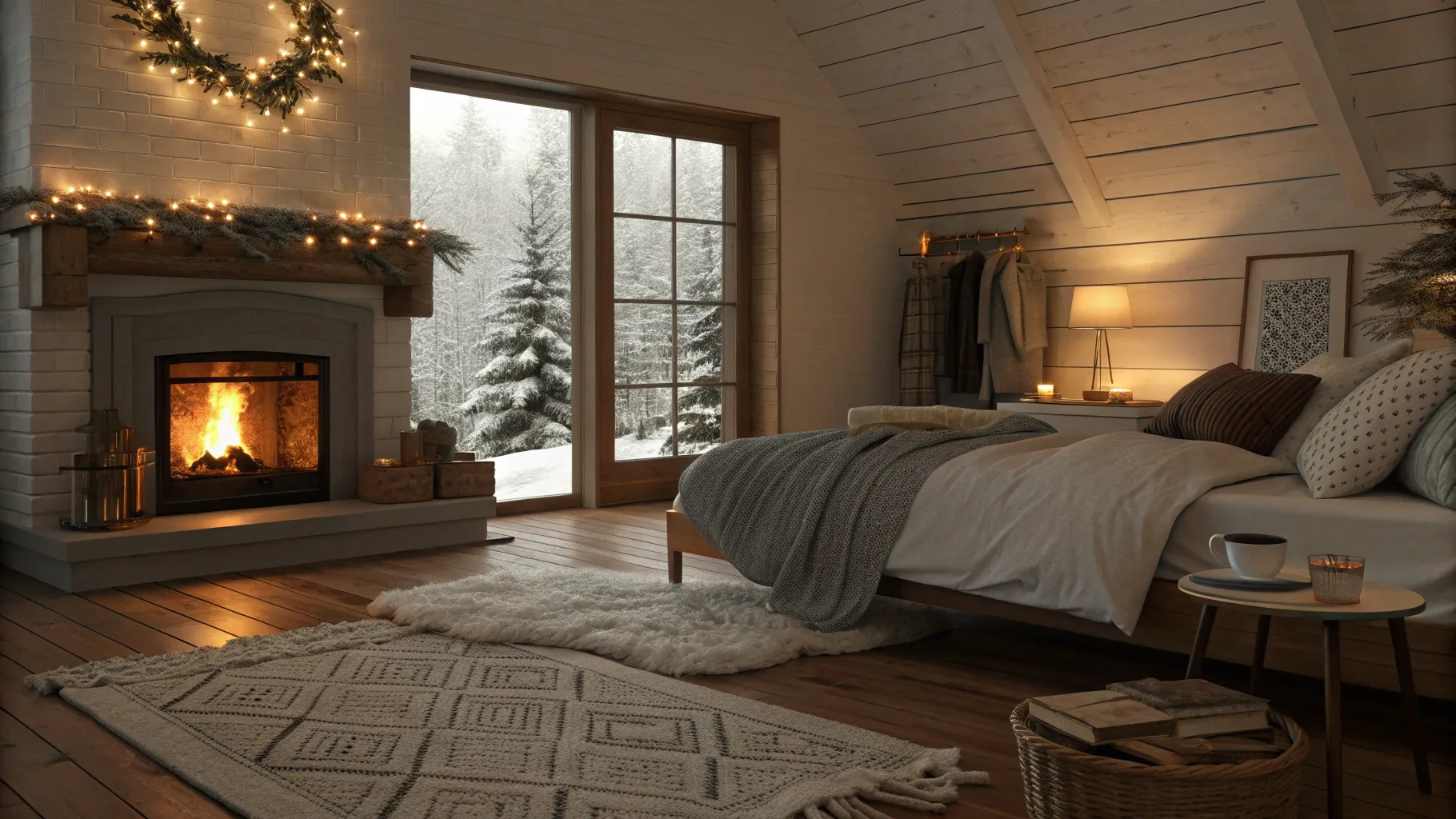
Winter Home Warmth Tips for 2025
As the chilly winds of winter blow through our neighborhoods, ensuring that our homes remain cozy and warm becomes a priority. Winter home warmth is not just about heating; it's about creating a sanctuary that shields against the cold while maintaining energy efficiency. With energy prices fluctuating, adopting a few effective heat retention tips is essential for homeowner comfort and savings. In this article, we’ll explore practical and simple ideas to boost warmth this season.
Seasonal Comfort Ideas to Enhance Your Home
Did you know that approximately 30% of heated air escapes through poorly insulated windows and doors? This statistic underscores the importance of effective insulation in maintaining indoor warmth. Here are some actionable tips regarding cozy home basics you can implement today to enhance comfort:
- Window Treatments: Install thick curtains or thermal blinds that can trap heat. During the day, open them to let in sunlight and close them at night to keep the warmth in.
- Seal Drafts: Use weather stripping or caulk to seal gaps around doors and windows. This simple DIY task can prevent warm air from escaping and save you money on heating bills.
- Area Rugs: Place area rugs on cold floors to provide extra insulation and to create a warm atmosphere. They not only enhance aesthetics but also add a layer of comfort underfoot.
- Door Stoppers: Use door stoppers to prevent cold drafts from entering through gaps at the bottom of doors. This can make a noticeable difference in maintaining a consistent temperature.
- Insulated Curtains: Consider investing in insulated curtains that reflect heat back into the room, keeping your spaces warmer without cranking up the thermostat.
Implementing these seasonally relevant ideas will not only provide immediate comfort but also contribute to long-term energy savings.
Comfort for Seniors in Winter
For seniors, maintaining warmth during the winter months is particularly important. Older adults are often more susceptible to the cold, which can exacerbate health problems. Here are some tailored suggestions for creating a warm environment that ensures senior home comfort:
- Adjust Thermostat Settings: Set your thermostat to a comfortable temperature. The recommended indoor temperature for older adults is typically around 68-70°F (20-21°C).
- Cozy Blankets: Keep extra throws and blankets easily accessible. Layers provide immediate warmth and can be easily added or removed depending on comfort needs.
- Heating Pads: Using a heating pad or blanket can ensure seniors stay warm without the need to raise overall home temperatures, which may be more energy-efficient.
- Regular Thermostat Checks: Ensure that your heating system is functioning well this winter by checking settings and replacing filters as needed to maintain efficiency.
By focusing on these simple yet effective methods, caregivers and seniors alike can ensure a consistently warm environment throughout the winter season.
Indoor Winter Habits for Sustained Warmth
Beyond physical modifications, adjusting your indoor habits can greatly enhance your comfort level. Establishing new routines can produce significant warmth benefits. Below are some easy-to-implement habits:
- Cooking at Home: Not only is it healthier, but cooking releases warmth into your home. Utilize the oven more and consider hearty winter dishes that require longer baking times—they'll warm up your kitchen and living spaces effortlessly.
- Stay Active Indoors: Engage in indoor activities like yoga or other exercises. Keeping your body moving will naturally help elevate your temperature, making the home feel warmer.
- Candlelight and Electric Fireplaces: These not only add ambiance but also a bit of heat. Candles and electric fireplaces can create a cozy atmosphere that feels warm both emotionally and physically.
- Limit Outdoor Access: Minimize the number of times you open doors and windows, especially on windy days, to keep the warm air in.
These indoor winter habits play a crucial role in maximizing your home’s warmth without relying solely on heating systems.
Creating a Sustainable Warmth Strategy
When building a winter home warmth strategy, consider investing in smart home technology. Thermostats that learn your schedule can adjust heating when you need it most, while energy-efficient heating systems can provide significant savings. According to recent data from the Energy Information Administration, homes with smart heating can reduce energy consumption by about 10-12%.
Additionally, consider the benefits of insulation upgrades. Although initial costs might seem high, they dramatically reduce energy expenditures and lead to a more sustainable living environment. In 2025, many homeowners are reporting significant reductions in heating bills as a result of better insulation and energy-efficient upgrades.
The winter months are not just about staying warm—they are about creating a refuge that brings peace and comfort. With thoughtful planning and the implementation of these simple tips, your home can become a comfortable haven. By sharing these ideas with friends and family, especially those caring for seniors or those who might struggle with the colder months, we can foster a community that thrives in comfort regardless of the weather outside.