Senior Dinner Clubs for Singles: Your Guide to Social Dining in 2026
Facts:
- Social engagement can significantly improve mental health in adults over 60.
- A growing trend for social dining groups seniors is a focus on themed culinary nights and local cuisine.
Rediscovering Connection One Meal at a Time
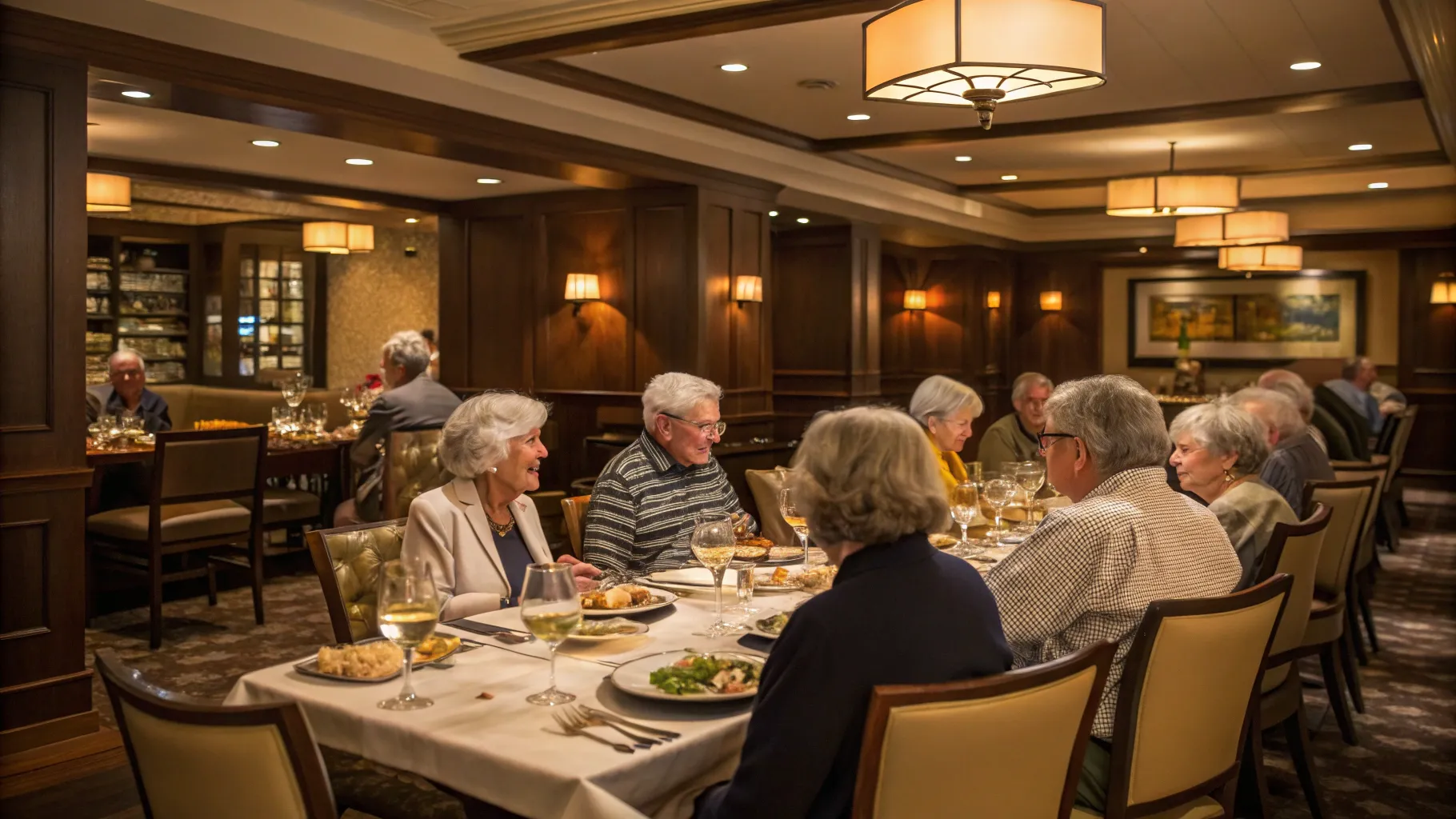
In an age where digital connection often overshadows face-to-face interaction, the simple act of sharing a meal has re-emerged as a powerful way to build community, especially for older adults. For those navigating their golden years as singles, finding new social circles can be a challenge. This is where the concept of senior dinner clubs for singles shines, offering a welcoming and sophisticated environment to meet like-minded peers. These are not just meals; they are curated experiences designed to foster conversation, friendship, and a shared love for good food. Joining one of these social dining groups seniors can be a transformative step towards a richer, more connected social life, moving beyond solitude and into a world of shared laughter and engaging discussions.
What Exactly Are Senior Dinner Clubs?
At their core, senior dinner clubs are organized social gatherings centered around dining. However, they are far more than just a reservation at a restaurant. These clubs are specifically structured as dinner clubs for older adults, creating an atmosphere of comfort, respect, and shared life experience. Unlike general dining events, these groups cater to the interests and preferences of seniors. Some clubs might focus on exploring high-end gourmet restaurants, while others might prefer cozy, casual bistros or even potluck-style gatherings in members' homes. The primary goal is to provide a consistent and reliable platform for social interaction. Many senior dinner clubs for singles also incorporate other elements, such as a pre-dinner cocktail hour, a guest speaker, or a theme for the evening, to help break the ice and stimulate conversation among members.
The Unmistakable Benefits of Social Dining for Seniors
The advantages of participating in senior social dining events extend far beyond simply enjoying a good meal. Regular social engagement is critically linked to improved mental, emotional, and even physical health in older adults. These clubs directly combat feelings of loneliness and isolation, which are significant risk factors for depression and cognitive decline. By providing a structured reason to get out of the house, dress up, and engage with others, social dining groups seniors boost self-esteem and provide a sense of purpose and anticipation. The mental stimulation from new conversations, environments, and cuisines helps keep the mind sharp. Furthermore, these gatherings provide a vital support network where members can share experiences, offer advice, and build genuine, lasting friendships that enrich their lives in countless ways.
How to Find the Perfect Senior Dinner Club for You
Finding the right group is the first step on this exciting social journey. Your search for senior dinner clubs for singles can begin online, with platforms like Meetup, Eventbrite, or even dedicated Facebook groups often listing local events. A simple web search for 'dinner clubs for older adults near me' will likely yield numerous results. Don't overlook offline resources; local senior centers, community bulletin boards, and places of worship are excellent sources of information. When evaluating a club, consider the following points:
- Group Size and Vibe: Do you prefer a small, intimate group of 6-8 people or a larger, more bustling event of 20 or more? Look for descriptions that match your personality.
- Cost and Commitment: Understand the financial structure. Is it a pay-per-event model, or is there an annual membership fee? Choose what fits your budget and lifestyle.
- Cuisine and Venue Style: Does the club explore a variety of cuisines that appeal to you? Do they frequent venues that are accessible and comfortable?
- Frequency of Events: Check how often the senior social dining events are held. A weekly or bi-weekly schedule provides more consistent social contact than a monthly one.
What to Expect at Your First Dinner Event
Attending your first event with a new group can feel a bit daunting, but remember that everyone there is looking to connect. Most senior social dining events are designed to be incredibly welcoming. Typically, there will be a host or organizer who greets new members and facilitates introductions. The evening often begins with a casual mingling period, allowing you to chat with a few people before being seated. The organizers often arrange seating to encourage mixing and ensure no one is left out. The key is to be open, curious, and willing to share a little about yourself. Ask open-ended questions about others' interests, travels, or hobbies. You'll quickly find that the shared experience of being single in a similar stage of life creates an instant common ground, making conversation flow more easily than you might expect.
Frequently Asked Questions
Are senior dinner clubs for singles only for finding a romantic partner?
Not at all. While romantic connections can and do happen, the primary purpose of these clubs is to foster friendship and community. The 'singles' aspect simply ensures that all attendees are in a similar life situation, which can make forming platonic bonds easier without the dynamic of couples.
What is the typical cost associated with dinner clubs for older adults?
Costs can vary widely. Some clubs are free to join, with members simply paying for their own meal at each event. Others may have a modest annual membership fee to cover administrative and organizational costs. High-end gourmet clubs will naturally be more expensive per dinner. Always clarify the cost structure beforehand.
Do I need to be a 'foodie' to join one of these social dining groups seniors?
Absolutely not. While a love for food is a common thread, the main ingredient is a desire for social connection. Most clubs welcome anyone with an open mind and a friendly attitude, regardless of their culinary expertise. The food is the setting, but the people are the main event.
References
- Journal of Gerontology: Social Sciences
- AARP Foundation Studies on Senior Loneliness
- National Institute on Aging: Social Activity and Health
- Community and Lifestyle Surveys for Older Adults