Understanding Screwless Dental Implants: A Guide for Seniors
Dental implants have become a standard solution for replacing missing teeth, but the technology continues to evolve. While many people are familiar with traditional screw-retained implants, a different option known as screwless dental implants is also available. For seniors, in particular, understanding the nuances of this technology can be helpful when exploring tooth replacement solutions.
What Are Screwless Dental Implants?
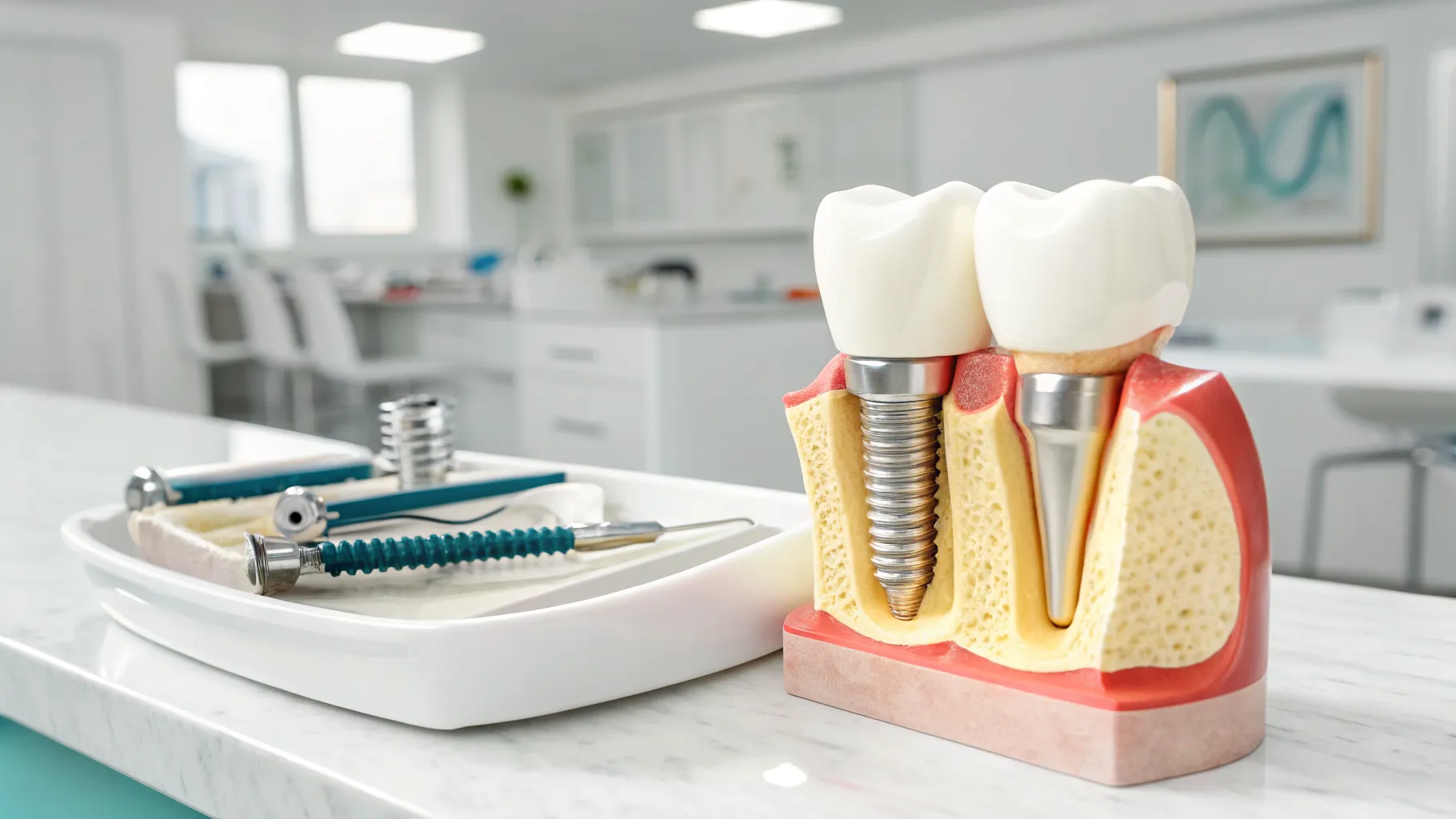
Screwless dental implants, often referred to as press-fit or cement-retained implants, are a type of dental prosthetic that functions without the internal screw that connects the abutment (the connector piece) to the implant fixture in the jawbone. Instead of being screwed into place, the abutment is either tapped or pressed into the implant using a friction-fit mechanism, or the final crown is cemented directly onto the abutment which is part of the implant itself. This design creates a secure, stable connection through an extremely precise fit.
The fundamental difference lies in the connection method. Traditional implants rely on a tiny screw to hold the components together, which can sometimes lead to complications like screw loosening or fracture over time. By eliminating this screw, screwless systems aim to simplify the prosthetic design and remove a potential point of mechanical failure. The focus shifts entirely to the quality of the implant's integration with the bone and the precision of the interlocking components.
Potential Benefits for Seniors
For older adults, screwless dental implants can present several appealing advantages. The simplified design often means a more straightforward restorative process, which can reduce the amount of time spent in the dental chair. As seniors may have other health considerations, a less complex and potentially quicker procedure can be a significant benefit. The absence of a screw also eliminates certain long-term maintenance concerns associated with traditional implants.
Beyond simplicity, there are other specific benefits that may be relevant to seniors. These can include:
- Enhanced Aesthetics: Traditional screw-retained crowns have a small access hole for the screw, which is filled with a composite material. This hole can sometimes be visible or become discolored over time. Screwless systems do not require this access hole, resulting in a more natural-looking and seamless tooth crown.
- Reduced Mechanical Complications: The risk of a screw loosening or breaking is completely removed. This is one of the more common technical complications with implant restorations, and avoiding it contributes to the long-term durability of the replacement tooth.
- Potential for Better Hygiene: Some designs may have fewer micro-gaps between components where bacteria can accumulate, potentially promoting better gum health around the implant.
The Procedure: What to Expect
The process for receiving a screwless dental implant is similar to that of a traditional implant and begins with a comprehensive evaluation. A dentist or specialist will conduct a thorough examination, including 3D imaging like a CBCT scan, to assess the quality and quantity of your jawbone. They will also review your overall health history to ensure you are a suitable candidate for surgery. This initial phase is critical for planning the precise placement of the implant.
The surgical procedure involves placing the implant fixture into the jawbone under local anesthesia. Following placement, a healing period of several months is required. During this time, a process called osseointegration occurs, where the bone fuses directly with the implant surface, creating a strong and stable foundation. Once healing is complete, the dentist will attach the final crown to the implant's abutment, completing the restoration.
Understanding the Costs Involved
A primary consideration for any dental procedure is the cost, and screwless implants are no exception. The price can vary significantly depending on a wide range of factors, and it's important to understand what contributes to the final total. The cost is not just for the implant itself but encompasses the entire procedure, from initial consultation and imaging to the final crown and follow-up appointments. There is no single set price, so obtaining a detailed treatment plan and cost estimate is essential.
Several key elements will influence the overall expense. Being aware of these can help you understand why quotes may differ between providers:
- Geographic Location: Dental fees often vary based on the cost of living in a particular city or state.
- Clinician's Expertise: A specialist like a periodontist or oral surgeon with extensive implant experience may have higher fees than a general dentist.
- Materials Used: The type of material for both the implant (titanium or zirconia) and the final crown (porcelain, ceramic, zirconia) will affect the price.
- Preparatory Procedures: If you require a bone graft or sinus lift to build up sufficient bone for the implant, this will add a significant cost to the treatment.
- Dental Insurance: Coverage for dental implants is not universal. Some plans may cover a portion of the cost, while others offer no coverage at all. It is crucial to check with your provider beforehand.
Finding a Qualified Provider
The success of a dental implant heavily depends on the skill and experience of the clinician who places it. When considering screwless implants, it is vital to find a dental professional who is not only trained in implant dentistry but also has specific experience with the particular system you are considering. Look for dentists, prosthodontists, periodontists, or oral surgeons who dedicate a significant portion of their practice to dental implants.
When searching for a provider, don't hesitate to ask questions during the consultation. Inquire about their training and how many implant procedures they perform. Ask to see before-and-after photos of previous patients. It is also wise to seek a second or even third opinion. This allows you to compare different treatment approaches, technologies, and cost estimates, helping you make a well-informed decision without feeling pressured.
Potential Risks and Considerations
Like any surgical procedure, dental implants carry some risks, including the possibility of infection, nerve damage, or failure of the implant to integrate with the bone. These risks are generally low but are important to discuss with your dentist. A thorough medical history review helps minimize potential complications. Proper post-operative care and long-term oral hygiene are also critical for the success of any implant.
With screwless implants specifically, a key consideration is the retrievability of the crown. Because the crown is often cemented into place, removing it for repair or replacement can be more challenging than with a screw-retained crown, which can be easily unfastened. This is an important trade-off to discuss with your provider. They can explain the techniques they would use if the crown ever needed to be removed and what that would entail for you as the patient.