Continuous Glucose Monitors for Weight Loss in the United States
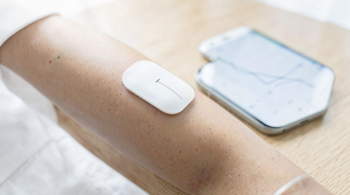
Continuous glucose monitors, or CGMs, have historically served as vital medical devices for individuals managing diabetes by tracking blood sugar levels continuously throughout the day 6. However, a significant paradigm shift has occurred within the United States consumer wellness and metabolic health sectors. Public interest in utilizing continuous glucose monitors for weight loss in the United States has accelerated, driven by clinical trials and new regulatory clearances that position glycemic variability as a key factor in weight management 2. Rather than relying on traditional finger-prick methods, these wearable sensors measure glucose levels in the interstitial fluid between cells around the clock, sending real-time data to connected smartphone applications 6 11.
The Transition of CGMs From Diabetes Care to Weight Management
For more than two decades, continuous glucose monitors have functioned as essential diagnostic and management tools for individuals with Type 1 and Type 2 diabetes 6 8. By providing real-time alerts regarding dangerous glycemic spikes and drops, these devices have helped patients calculate appropriate insulin dosages and avoid acute diabetic complications 6. In the traditional medical framework, insurance coverage and clinical eligibility for CGMs have been strictly tied to a documented diagnosis of diabetes or specific insulin-dependent treatment regimens 3.
Despite these clinical origins, wearable glucose biosensors have increasingly entered the broader consumer market 6. A growing interest in metabolic optimization among individuals without diabetes has prompted manufacturers to seek regulatory pathways for general wellness applications 4 6. This shift has culminated in the development of over-the-counter sensors designed for adults who do not require insulin therapies 4. This represents a broader demographic that includes millions of individuals seeking to manage weight or prevent early metabolic dysregulation 4 9.
FDA Clearances and Market Milestones
The regulatory landscape for metabolic monitoring devices in the United States underwent a major evolution in August 2025. The Food and Drug Administration cleared the first-ever glucose monitoring system specifically indicated for weight management, developed by the health technology startup Signos 2 5. Unlike previous device clearances that focused strictly on diabetes tracking, this regulatory milestone established a designated pathway for weight loss applications 2 5. The system utilizes an off-the-shelf continuous glucose monitor, specifically the Dexcom Stelo biosensor, which is paired with a proprietary mobile application powered by artificial intelligence 2 4.
Under the FDA clearance framework, this system is categorized as an over-the-counter option, meaning users can access the metabolic tracking system without a physician prescription 4 12. The integration of the hardware with analytical software allows the platform to translate raw glucose data into actionable behavior modification recommendations 7 11. The system can be utilized as a standalone behavioral tool or in conjunction with other clinical weight loss interventions, such as bariatric surgery or GLP-1 receptor agonists like Wegovy or Zepbound 2 5.
Clinical Trial Outcomes and Efficacy Data
To evaluate whether continuous glucose monitoring can translate to clinically significant weight loss, researchers have conducted several clinical trials and observational studies. An observational cohort study published in 2026 evaluated 3,007 adults with obesity and a body mass index of 30 or higher who did not have diabetes 8. The participants used an AI-enabled CGM platform to receive behavioral recommendations based on their individual glucose patterns, dietary intake, and physical activity 8.
The study measured outcomes using a metric called Total Meaningful Actions per Day to quantify user engagement 8. The clinical trial results demonstrated that higher engagement with the platform was associated with significantly greater weight reduction and increased physical activity 8. Specifically, the findings included:
- Participants with higher engagement achieved a mean total body weight loss of 5.90% at 180 days, compared to 4.38% in the lower engagement cohort 3 8.
- Weekly weight loss was significantly higher during periods of active engagement compared to non-engaged periods, averaging 1.17% versus 0.44% per week 3.
- Engaged users increased their average daily exercise duration from 10.0 minutes to 23.1 minutes, and elevated their daily energy expenditure from 48.4 to 106.5 kilocalories 8.
A separate 12-week randomized controlled trial published in 2026 examined the effects of intermittently scanned CGM devices in women with obesity 10. The intervention group using CGMs achieved a mean body weight reduction of 5.5 kilograms compared to a 0.2 kilogram reduction in the control group 10. Clinically meaningful weight loss, defined as a reduction of 3% or more in BMI and body fat, occurred in 35% of the intervention group compared to 0% of the control group, suggesting that real-time glycemic feedback may improve adherence to lifestyle modifications 10.
The Physiological Relationship Between Glucose and Weight
The physiological rationale for utilizing CGMs in weight management lies in the complex hormonal relationship between blood glucose, insulin secretion, and fat storage 1. When dietary carbohydrates are consumed, they are broken down into glucose, entering the bloodstream and prompting the pancreas to release insulin 1. Insulin is an anabolic hormone that facilitates the uptake of glucose into cells for energy production, but it also signals the body to store excess energy as adipose tissue while inhibiting the breakdown of stored fat 1.
Frequent or prolonged elevations in blood glucose can lead to persistent elevations in circulating insulin, making fat utilization more difficult 1. Research published in Nature Medicine indicates that glucose variability in non-diabetic individuals is highly variable, with some individuals experiencing significant, unrecognized post-meal glucose spikes 20. By identifying specific dietary triggers that cause these metabolic spikes, users can modify the composition or timing of their meals to stabilize their glucose curves 1 20.
Financial Costs and Insurance Realities
Despite the growing popularity and regulatory clearance of these devices, financial access remains a major point of friction for consumers in the United States 2 12. Because continuous glucose monitors are not designated as standard medical treatments for individuals without diabetes, major health insurance providers and Medicare do not cover the hardware or subscription costs for weight management purposes 12. Consequently, users must pay out-of-pocket for these tools 12.
The economic landscape of these systems involves both hardware costs and software subscription fees 1 4. To provide a clearer overview of the financial commitments associated with commercial CGM platforms, the typical pricing tiers and structural models are outlined below:
| Program Feature | Standard Market Details |
|---|---|
| Monthly Membership Cost | Ranges from $127 to $139 per month depending on contract length 1 12 |
| Sensor Replacement Frequency | Sensors must be replaced every 10 to 15 days 4 15 |
| FSA and HSA Eligibility | Many systems are designated as HSA/FSA eligible 1 |
| Insurance Coverage Status | Typically restricted to diagnosed cases of diabetes 3 12 |
To reduce financial barriers, some developers have established strategic partnerships and new distribution channels 11. For instance, distribution deals have been established to place weight-management subscription plans directly on manufacturer e-commerce portals, such as Dexcom's Stelo.com, to simplify consumer acquisition 11 17.
Clinical Skepticism and Ongoing Research
While consumer interest and early behavioral data show promising patterns, the medical community maintains a degree of skepticism regarding the widespread adoption of CGMs by non-diabetic populations 14. Professional clinical organizations, including the American Association of Clinical Endocrinology, have historically cautioned that there is insufficient long-term evidence demonstrating that reducing minor glucose spikes in healthy individuals directly causes sustained weight loss 9. Critics point out that focusing too narrowly on short-term glucose fluctuations could lead to unnecessary dietary anxiety or the avoidance of nutrient-dense, fiber-rich fruits and vegetables simply because they cause temporary glucose elevations 15.
To address these concerns and gather more rigorous evidence, ongoing research is underway 7. Long-term randomized clinical trials are actively tracking the efficacy of CGM-integrated behavior programs in non-diabetic populations 7. These studies aim to clarify whether the behavioral changes induced by continuous metabolic feedback can be maintained over multi-year periods, and whether they lead to permanent improvements in cardiovascular health and body composition 7 10.
Sources
- Signos (https://www.signos.com/)
- CNBC (https://www.cnbc.com/2025/08/20/fda-approves-signos-glucose-monitoring-for-weight-loss.html)
- Diabetes Technology & Therapeutics, 2026 (https://doi.org/10.1177/15209156261459741)
- Fierce Biotech (https://www.fiercebiotech.com/medtech/fda-clears-signos-over-counter-cgm-powered-weight-loss-app)
- Healthline (https://www.healthline.com/health-news/signos-glucose-monitoring-system-weight-loss-fda)
- TODAY (https://www.today.com/health/diet-fitness/cgm-for-weight-loss-rcna229869)
- Endocrinology Advisor (https://www.endocrinologyadvisor.com/news/fda-cleared-app-plus-over-the-counter-cgm-now-available-for-weight-management/)
- Diabetes, 2026 (https://doi.org/10.2337/db26-2623-p)
- Verywell Health (https://www.verywellhealth.com/glucose-monitor-for-people-without-diabetes-12019031)
- Diabetes Technology & Therapeutics, 2026 (https://doi.org/10.1177/15209156261423952)
- CNBC (https://www.cnbc.com/2026/05/27/ai-health-tech-signos-dexcom.html)
- Becker's Hospital Review (https://www.beckershospitalreview.com/supply-chain/fda-approves-glucose-monitoring-system-for-weight-loss)
- PR Newswire (https://www.prnewswire.com/news-releases/signos-unveils-first-ever-fda-cleared-glucose-monitoring-breakthrough-for-weight-management-enabling-millions-of-americans-to-take-control-of-their-health-302534147.html)
- Endpoints News (https://endpoints.news/signos-raises-20m-as-it-eyes-health-plan-pharma-relationships/)
- DNYUZ (https://dnyuz.com/2026/02/03/a-continuous-glucose-monitor-might-help-you-lose-weight-2026/)
- AOL (https://www.aol.com/articles/continuous-glucose-monitors-help-weight-190947882.html)
- Morningstar (https://www.morningstar.com/news/business-wire/20260527908522/signos-inc-maker-of-the-first-fda-cleared-cgm-system-for-weight-management-raises-20-million-to-accelerate-growth)
- Obesity, 2026 (https://doi.org/10.1002/oby.70204)
- 10bmnews (https://10bmnews.com/signos-grows-foothold-in-weight-loss-wave-fueled-by-glp-1s-with-its-ai-health-data-tracking/)
- Healthcare Discovery AI (https://healthcarediscovery.ai/signos-cgm-weight-management-review/)