Physical therapy services for seniors near me: Analysis of Geriatric Rehabilitation Options and Clinical Access
For individuals seeking specialized care, physical therapy services for seniors near me provide a critical pathway to reclaiming strength, stability, and independence as aging-related physical challenges arise. These clinical services focus on restoring movement and confidence, ensuring that common issues such as aches, weakness, or balance problems are addressed through evidence-based interventions rather than being dismissed as inevitable aspects of aging 1. By utilizing customized therapy plans, older adults can rebuild strength and move better, which is essential for maintaining a high quality of life and avoiding the isolation often caused by limited mobility 4.
The Clinical Scope of Geriatric Physical Therapy
Geriatric physical therapy is a specialized branch of rehabilitation designed to treat age-related conditions including osteoarthritis, rheumatoid arthritis, and osteoporosis 1. It also plays a vital role in managing movement disorders such as Parkinson’s disease and supporting recovery from neurological events like a stroke 14. Clinical protocols often include therapeutic exercise, neuromuscular re-education, and joint pain management to address muscle weakness and joint stiffness that may interfere with daily activities 6. Professional assessment is the first step, where a licensed physical therapist evaluates the patient's gait, range of motion, and functional capabilities to establish a baseline for recovery 3.
Beyond standard orthopedic care, these services provide holistic support for seniors, focusing on what the patient can achieve functionally. This includes assistance with everyday tasks like getting out of a chair, climbing stairs, or walking to a mailbox without hesitation 8. In many regions, such as Northern Virginia or Long Island, therapy also includes specialized care for Alzheimer’s and dementia patients to help maintain physical function as cognitive abilities change 4. The goal of these programs is not merely pain relief but the restoration of total-body strength and flexibility to make daily life more manageable and safer for the individual 3.
Comparing In-Home and Clinic-Based Rehabilitation
Patients often choose between receiving care in a traditional clinic setting or through in-home physical therapy services. In-home care is frequently preferred by those with mobility challenges or those recovering from surgery, as it eliminates the stress and fatigue associated with commuting to a medical facility 17. A significant advantage of in-home therapy is that the therapist can assess the patient’s actual living environment, including furniture layouts, bathroom accessibility, and stair configurations 2. This allows for real-time gait analysis on specific flooring types and the customization of exercises to fit the space where the senior lives and moves every day 12.
| Service Setting | Key Characteristics | Primary Benefits |
|---|---|---|
| In-Home Therapy | Licensed clinician visits the residence | No commute, environment-specific gait analysis, one-on-one focus |
| Outpatient Clinic | Hospital or private facility-based | Access to specialized gym equipment, social interaction with other patients |
| Senior Living Facilities | On-site therapy in residential communities | High consistency of care, coordination with nursing staff |
Clinical settings, conversely, may provide access to more diverse rehabilitation equipment that is difficult to transport to a private residence 26. However, research indicates that patients receiving in-home care within three months of a diagnosis can see a significant reduction in fall risk, sometimes as high as 86 percent, because the training is applied directly to their daily environment 9. Whether in Las Vegas, New York, or Virginia, the choice often depends on the patient’s physical endurance and the availability of transportation to a facility 2 15.
Insurance Framework and Medicare Coverage Requirements
Accessing physical therapy for seniors is heavily influenced by insurance protocols, specifically Medicare guidelines in the United States. Medicare Part B typically covers medically necessary outpatient physical therapy when it is prescribed by a physician and meets specific documentation requirements 28. This coverage includes evaluation and treatment sessions at clinics or even at home if the patient meets the criteria for being homebound 20. It is important for families to recognize that Medicare recognizes these services as medically necessary for conditions like chronic joint pain, post-surgical rehabilitation, and fall prevention 11.
While Medicare provides a robust framework for coverage, there are often market friction points such as the requirement for prior authorization or physician referrals 28. Some plans may have annual limits on the number of covered visits, though exceptions are frequently made when clinical necessity is documented by the therapist 28. Patients should also be aware of potential copayments under Part B coverage 28. In regions like Long Island, many providers facilitate the billing process, working directly with doctors to ensure the treatment plan complies with Medicare’s strict licensing and documentation standards 15.
Statistical Efficacy of Fall Prevention and Balance Programs
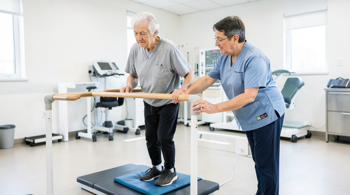
Fall prevention is one of the most critical aspects of geriatric rehabilitation, as one in four adults over the age of 65 falls each year 7. Clinical data suggests that structured physical therapy targeting balance and strength can reduce the risk of falling by 35 to 40 percent 22. These programs typically combine therapeutic exercises with gait training and reaction-time drills to help seniors move more confidently 3. In areas with high senior populations, such as Levittown or Glen Cove, these programs are essential for reducing emergency room visits related to fractures and head injuries 11 13.
- Strength Training: Focuses on lower body muscles to support standing and walking stability 22.
- Balance Exercises: Retrains the vestibulocochlear and proprioceptive systems to prevent stumbles 7.
- Environment Modification: Identifies trip hazards such as narrow hallways or loose rugs in the home 11.
- Gait Analysis: Corrects walking patterns that may be causing unnecessary strain or instability 13.
The impact of these programs extends beyond physical safety: they also address the fear of falling, which often leads to decreased activity and further physical decline 7. By regaining physical confidence, seniors are more likely to stay active in their communities and maintain social connections, which are vital for mental well-being 23. Clinical evidence shows that even those who have already experienced a fall can see measurable improvements in their stability within four to six weeks of beginning a structured program 12.
Timeline of Recovery and Therapeutic Expectations
Patients entering geriatric physical therapy should have realistic expectations regarding the duration and intensity of treatment. Initial assessments, such as those provided in Castle Rock, CO, may last up to 90 minutes to ensure a comprehensive understanding of the patient's medical history and current limitations 3. Subsequent sessions are typically shorter, often around 60 minutes, focusing on the execution of the prescribed exercise plan 3. While some patients notice improvements in pain or balance within the first few weeks, maximum therapeutic benefits usually materialize around the eight to twelve-week mark 12.
The consistency of care is a major factor in determining successful outcomes. Many programs transition into long-term wellness or senior fitness programs once the initial clinical goals are met to prevent the reversal of progress 27. This “bridge” between medical rehabilitation and daily fitness helps seniors maintain the strength they worked to gain 5. It is also important to note that the pace of recovery can be affected by underlying chronic conditions like diabetes or heart disease, which may require a more gradual approach to exercise intensity 14.
Regulatory Oversight and Market Friction Points
Physical therapists in the United States are regulated by state licensing boards, which ensure that practitioners meet rigorous educational and ethical standards 30. The Federation of State Boards of Physical Therapy (FSBPT) provides oversight, although availability and specific provider credentials can vary significantly from state to state
Despite the high efficacy of these services, there are friction points in the market. These include a lack of motivation among some patients, a fear of injury during exercise, or logistical difficulties in reaching a clinic 27. Furthermore, not all services are covered identically across different private insurance plans, and some seniors may face out-of-pocket costs for sessions that exceed their plan's limits 3 28. Understanding the distinction between skilled rehabilitation and general senior fitness is also crucial, as Medicare typically only covers the former 26. Consumers are encouraged to research the specific credentials and facility affiliations, such as membership in networks like the Hospital for Special Surgery Rehabilitation Network, to ensure a high standard of clinical care 9.
Sources
- Bal Therapy - Geriatric Physical Therapy In Northern Virginia
- Outbound Therapy Services - In-Home Physical Therapy Las Vegas
- Sparq Physical Therapy - Geriatric Physical Therapy Castle Rock
- Aging in Place Specialists - Geriatric Physical Therapy Lewes
- Core Physical Therapy - Senior Fitness Evansville
- Med Wellness Physiotherapy and Rehab Centre - Seniors Vaughan
- Medcare Therapy Services - Fall Prevention North Lindenhurst
- Medcare Therapy Services - Physical Therapist Old Field
- Medcare Therapy Services - Physical Therapist Oyster Bay
- Medcare Therapy Services - Physical Therapist Riverside
- Medcare Therapy Services - Physical Therapist Levittown
- Medcare Therapy Services - Physical Therapist Plainview
- Medcare Therapy Services - Physical Therapist Glen Cove
- Kinesio Healthcare Solutions - Geriatric Physiotherapy Dubai
- Kent Healthcare - Physiotherapy at Home Dubai
- SADC Disability Services - Allied Health Therapy Sydney
- Practix Allied Health - Occupational Therapy Aged Care
- Civitas Senior Living - Senior Strength Rehab and Recovery
- ElderFIT - Continuity of Care for Seniors
- Medicare.gov - Home Health Care Coverage
- American Physical Therapy Association (APTA) - Find a PT
- Johns Hopkins Medicine - Falls Prevention Exercises for Seniors
- SADC Disability Services - Role of Allied Health in Seniors
- Civitas Senior Living - Differences Between Skilled Nursing and Rehab
- SeniorLiving.com - Senior Care Services
- Practix Allied Health - Benefits of Occupational Therapy
- ElderFIT - Physical Therapy Transition
- Medicare.gov - Physical Therapy Services Coverage
- ZocDoc - Searching for Nearby Clinics
- Federation of State Boards of Physical Therapy (FSBPT) - Licensing FAQ