Recognizing Warning Signs and Symptoms of Eczema
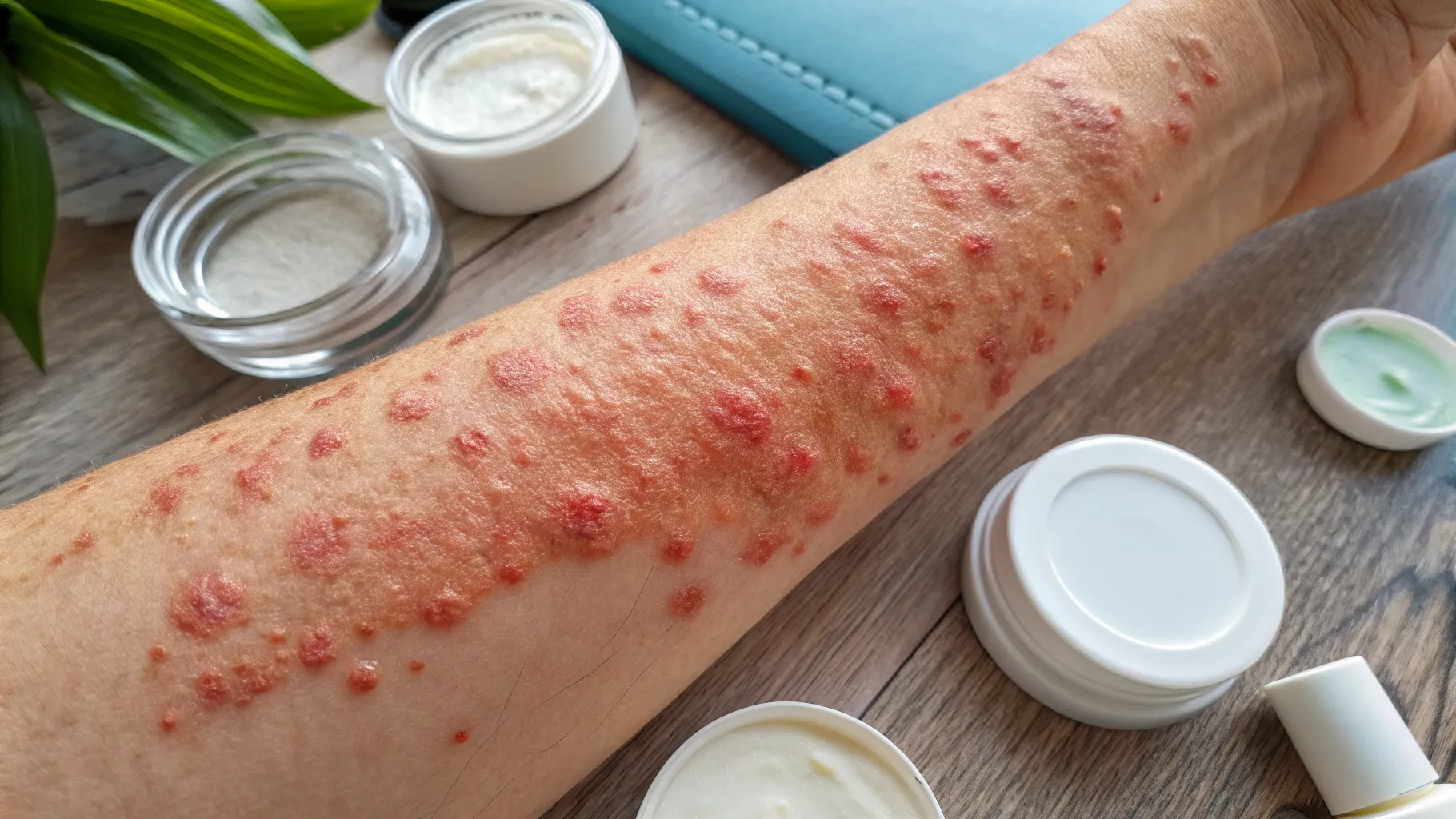
Understanding Eczema Warning Signs and Symptoms
Eczema, a prevalent skin condition, affects millions globally, with a significant number experiencing it at some point in their lives. As we navigate through 2025, recognizing the warning signs of eczema is essential for timely intervention and effective management. The skin ailment can appear in various forms with distinctive symptoms that can disrupt daily life. By familiarizing ourselves with these early signs, we can seek appropriate treatments and potentially avert exacerbations.
Common Symptoms of Eczema to Recognize
At first glance, eczema may be mistaken for other skin disorders due to its diverse presentation. Yet, certain symptoms are key indicators that set it apart. Below, we outline the primary eczema symptoms to watch for:
- Dry and Sensitive Skin: A notable early sign of eczema is skin that feels excessively dry, which can become painfully sensitive. This condition often leads to further irritation and discomfort, prompting individuals to seek relief.
- Intense Itching: One of the most distressing characteristics of eczema is the intense itching it causes. This itchiness can be relentless, often leading to scratching, which exacerbates the skin's condition.
- Red or Brownish-Gray Patches: Eczema can manifest as inflamed patches of red or brownish-gray skin. These patches may develop in various regions, with common locations including the elbows, knees, neck, and face.
- Thickened and Scaly Skin: With time, areas affected by eczema can become thick and scaly, resulting in a rough texture. This signifies a chronic issue that necessitates intervention.
- Oozing or Crusting: In more severe instances, aggressive scratching can lead to open sores that ooze or crust over. These open wounds increase susceptibility to infections, raising the urgency for treatment.
- Inflamed Skin: Eczema often results in inflammation, making the skin appear swollen and red. This acute inflammatory response indicates that your body is fighting irritants.
According to recent findings from the National Eczema Association, around 30% of children and about 10% of adults will experience eczema at some stage in their lives. Alarmingly, prevalence rates are on the rise, attributed to factors such as environmental changes and lifestyle habits.
Exploring the Different Types of Eczema
Eczema is not a one-size-fits-all condition; it can emerge in specific forms, each with its unique characteristics and triggers. Understanding the different types of eczema is crucial for effective management. Here’s an overview of common types:
- Atopic Dermatitis: This is the most prevalent form of eczema, often starting in childhood. Atopic dermatitis is frequently linked to other allergic conditions, including asthma and hay fever. The overlapping nature of these conditions can complicate management strategies for patients.
- Contact Dermatitis: This variant arises when the skin reacts adversely to certain substances or allergens. Symptoms typically manifest at the site of contact, leading to localized irritation.
- Dyshidrotic Eczema: Commonly found on the hands and feet, this type features small, itchy blisters. Triggers often include stress and seasonal allergies, combining to cause discomfort.
- Seborrheic Dermatitis: Typically occurring in oily areas such as the scalp, seborrheic dermatitis presents as greasy, scaly patches that can cause distress and embarrassment.
Understanding and identifying these different types of eczema can empower individuals to seek tailored treatments. Recent case studies indicate that those who address their symptoms early significantly improve their flare-up management and overall quality of life.
Identifying Eczema Triggers
Another pivotal aspect of managing eczema involves recognizing and avoiding the triggers that can irritate the skin. While environmental elements play a substantial role, individual habits are equally important. Below is a compilation of common irritants and allergens that may worsen eczema symptoms:
- Dry Air: Environments with low humidity and dry indoor air can strip the skin of moisture, leading to distress and flare-ups.
- Harsh Chemicals: Certain soaps, detergents, and even clothing made from irritating fabrics like wool can provoke eczema symptoms.
- Temperature Extremes: Both hot and cold temperatures can heighten skin sensitivity, often triggering eczema episodes.
- Food Allergens: Research suggests that common allergens such as dairy, eggs, and nuts can contribute to eczema flare-ups in susceptible individuals.
- Emotional Stress: Stress is known to exacerbate eczema symptoms. Understanding this connection emphasizes the need for comprehensive treatment plans that address both the physical and psychological aspects of managing eczema.
By acknowledging these factors, individuals managing eczema can tailor their skincare routines effectively. Using gentle, fragrance-free products, moisturizing regularly, and avoiding known triggers can lead to a substantial improvement in skin health. Interestingly, recent reports show that patients who adopt proactive skincare regimens—such as daily moisturizing and careful avoidance of triggers—often experience a notable decrease in flare-ups.
In navigating the complexities of eczema, the importance of recognizing warning signs and taking appropriate action cannot be overstated. With symptoms that range from dry skin to severe itching and noticeable patches, being proactive is key. By staying informed about the underlying factors that contribute to skin irritation, individuals can positively influence their eczema journey. Working closely with healthcare professionals to create a personalized management plan is vital for achieving enhanced outcomes and improved well-being.