Recognizing Warning Signs of Liver Disease Symptoms
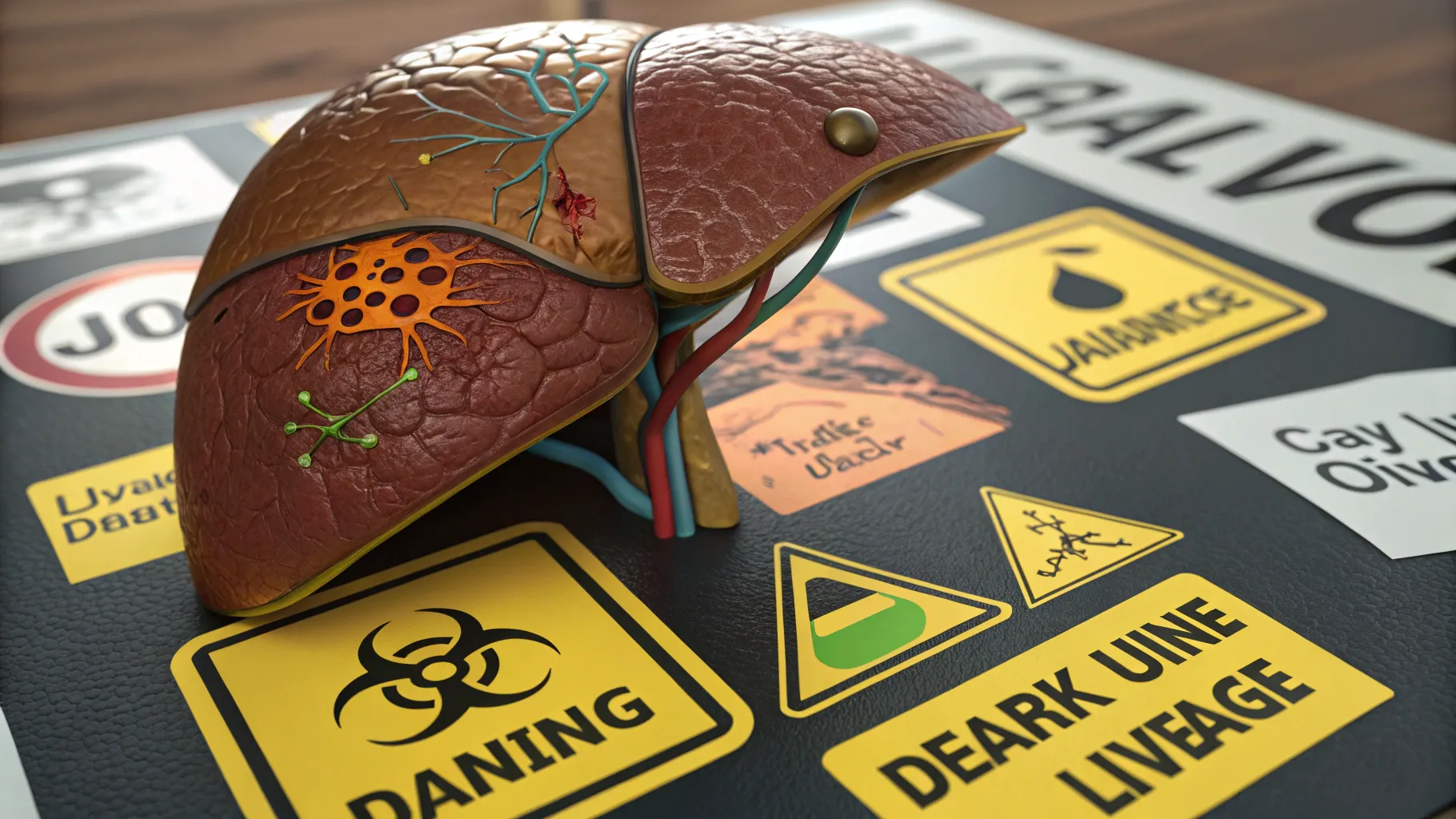
Understanding the Warning Signs of Liver Disease
Your liver plays a crucial role in your overall health, managing everything from digestion to detoxification of harmful substances. Unfortunately, liver disease is often silent, presenting subtle signs that can easily be overlooked. In 2025, awareness about the early signs of liver problems is critical as rates of liver disease continue to climb globally, impacted by factors such as obesity and heavy alcohol consumption.
Early Signs of Liver Problems
Recognizing liver disease symptoms early on can make a significant difference in treatment outcomes. Here are some common warning signs you should not ignore:
- Unexplained Fatigue: Chronic fatigue without an apparent cause can be a signal that your liver isn't working properly. People often chalk it up to stress or overwork, but if fatigue persists, it's important to see a doctor.
- Jaundice: A condition where your skin and the whites of your eyes turn yellow can indicate a buildup of bilirubin due to liver dysfunction. Jaundice is a clear warning sign that something is wrong with your liver health.
- Changes in Appetite: Noticeable changes, such as a decrease in appetite or sudden weight loss, can also point to underlying liver problems. These changes might be accompanied by nausea, leading to further avoidance of food.
- Dark Urine or Pale Stool: Pay attention to the color of your urine and stool. Dark urine may suggest excess bile in your blood, while pale stools can indicate a lack of bile reaching the intestines, often pointing to liver issues.
- Itchy Skin: Persistent itchiness without a clear cause, often due to bile accumulation under the skin, can be a frustrating symptom associated with liver problems.
Additionally, other indicators can help you understand your liver's condition. For instance, swelling in your legs, ankles, or abdomen could signify fluid retention due to liver dysfunction. Each of these symptoms can develop gradually and might not be easily connected to liver health, which is why awareness is so important.
Importance of Liver Health Information
In recent months, increased public awareness campaigns have emphasized the importance of liver health, with many health organizations pushing for more frequent screenings, especially for those at higher risk. Recent studies suggest that approximately 25% of the U.S. population may be living with a form of liver disease, ranging from fatty liver disease to cirrhosis. This statistic highlights a growing health crisis that requires attention.
The liver has a remarkable ability to regenerate. However, when it becomes severely damaged, such as in conditions like cirrhosis, its functions may decline significantly. Regular check-ups, particularly if you have risk factors like obesity, diabetes, or a history of substance abuse, can help detect issues early.
What You Can Do to Maintain Liver Health
Maintaining liver health can be achieved through lifestyle choices and regular monitoring. Here are some tips to help keep your liver functioning optimally:
- Healthy Diet: A balanced diet rich in fruits, vegetables, whole grains, and healthy fats can support liver function. Foods such as leafy greens, nuts, avocados, and omega-3 fatty acids are particularly beneficial.
- Stay Hydrated: Drinking plenty of water aids in the liver's detoxification processes. Aim for at least eight glasses of water a day.
- Avoid Excessive Alcohol: Limiting alcohol intake is crucial. The CDC recommends that women limit themselves to one drink a day, while men should aim for two. Heavy drinking can lead to fatty liver disease and ultimately cirrhosis.
- Regular Exercise: Physical activity boosts your overall health and can help reduce the risk of obesity-related liver diseases. Aim for at least 150 minutes of moderate exercise each week.
- Routine Screening: If you're at risk, discuss liver screening options with your healthcare provider. Blood tests for liver enzymes can indicate liver inflammation or damage.
A healthy lifestyle not only benefits your liver, but it also contributes to overall well-being. Making small changes can significantly impact your health in the long term.
Staying Informed
Understanding liver conditions requires ongoing education and access to accurate liver health information. Resources such as the American Liver Foundation offer educational materials, support groups, and valuable information to those affected by or at risk of liver disease. Staying informed helps you make better decisions about your health and empowers you to advocate for yourself during medical appointments.
In another overview of the current state of liver health, healthcare providers are increasingly emphasizing the link between liver health and mental well-being. Recent studies show that individuals with liver disease often experience higher levels of anxiety and depression, merging physical health with psychological factors. Addressing these needs is critical for comprehensive treatment.
As we progress through 2025, awareness and education about the warning signs of liver disease will play a pivotal role in prevention and early intervention. By knowing the symptoms to watch out for and making conscious health choices, you can protect your liver and significantly enhance your quality of life.