Recognizing Warning Signs of Eczema Symptoms Early
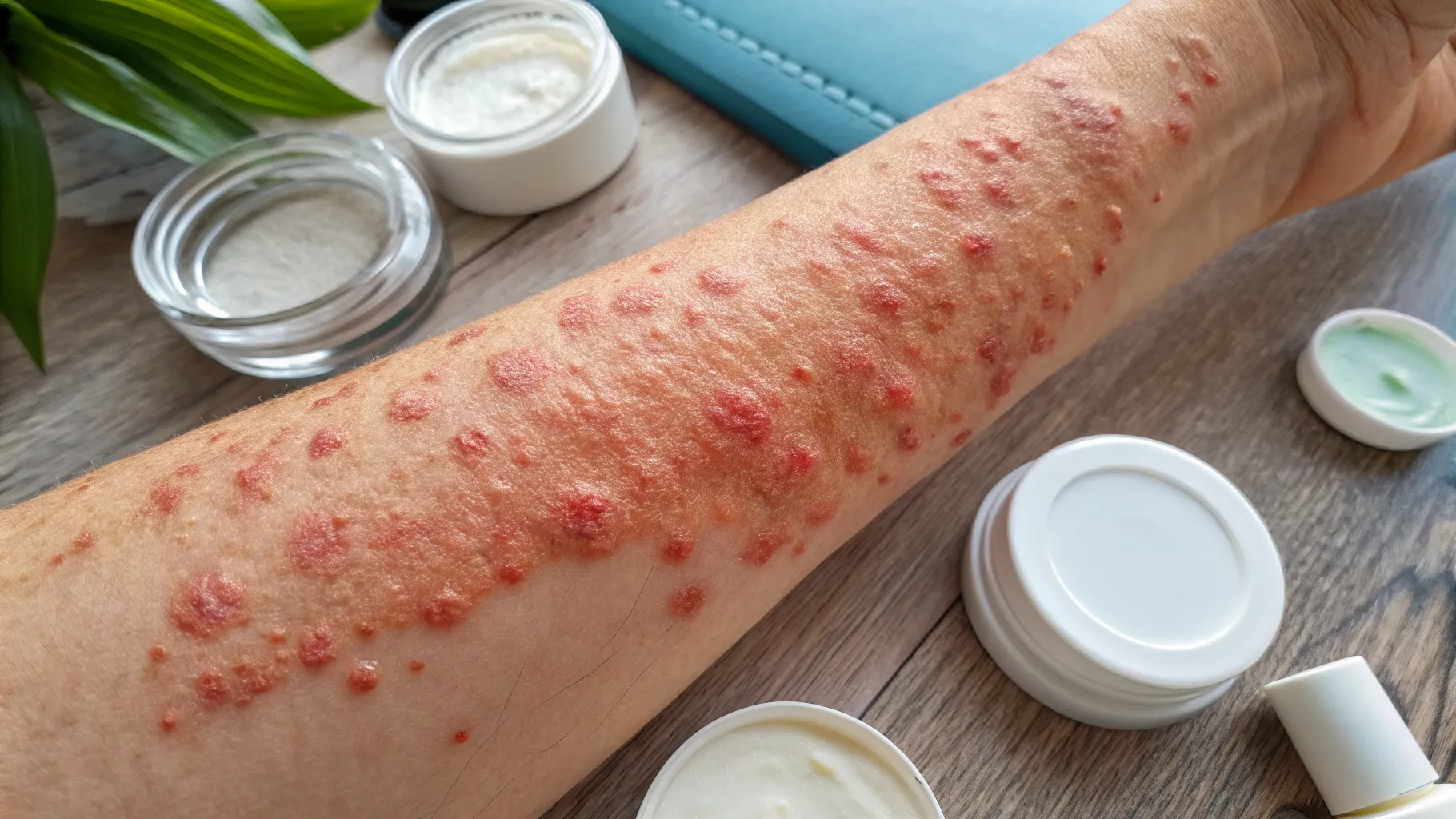
Understanding Eczema Condition: Early Warning Signs
Eczema, or atopic dermatitis, is a chronic skin condition that affects millions of people worldwide. In fact, recent studies show that approximately 10% to 20% of children and 2% to 5% of adults experience this condition. It’s essential to recognize the warning signs of eczema early on to manage symptoms effectively and prevent flare-ups.
Recognizing Eczema Symptoms
The warning signs of eczema may vary from person to person, but understanding the most common symptoms can help you identify if you or a loved one might be experiencing this condition. Here are some key symptoms to look out for:
- Dry, Sensitive Skin: One of the first signs of eczema is the presence of dry and sensitive skin. This may manifest as patches of skin that appear rough, scaly, or cracked.
- Itching: Itchiness is a hallmark symptom of eczema. It can be particularly intense at night, leading to disrupted sleep.
- Red or Brownish Gray Patches: Eczema may cause patches of red or brownish-gray skin, especially on the hands, feet, ankles, wrists, neck, upper chest, people’s eyelids, and the bends of the elbows and knees.
- Thickened Skin: Chronic scratching can lead to thickened patches of skin, which can be a sign that eczema is becoming more severe.
- Oozing or Crusty Patches: In some cases, eczema can lead to open sores that may ooze and form crusty patches, particularly when scratched.
- Small Bumps: These may appear on the affected area and can become inflamed or even lead to infections.
Recognizing these eczema symptoms early can make a significant difference in managing the condition. With nearly 60% of adults who have eczema reporting that the itching is relentless, awareness is crucial.
Understanding Skin Irritation Information
Skin irritation is often the first sign that something is not right, and it often precedes eczema outbreaks. Early understanding of what causes skin irritation can help prevent the development of eczema symptoms. Factors that may cause irritation include:
- Environmental Triggers: Weather changes, exposure to harsh detergents, or certain fabrics can cause irritation. For instance, rough wool can exacerbate itchiness.
- Allergens: Common allergens include pollen, pet dander, and dust mites. Around 30% of people with eczema also have allergies.
- Food Sensitivities: Certain foods, particularly dairy, eggs, soy, and nuts, can trigger flare-ups in sensitive individuals.
- Emotional Stress: Stress is not often recognized as a cause, but it is a known contributor to eczema flare-ups. In a 2025 survey, 50% of eczema sufferers indicated that stress worsened their symptoms.
If you notice skin irritation or one or more of these warning signs of eczema, it’s advisable to consult a healthcare professional for a comprehensive evaluation. The earlier you seek medical advice, the better you can manage the symptoms and improve the quality of your life.
The Importance of Recognizing Early Signs of Eczema
Understanding the early signs of eczema is foundational in preventing full-blown flare-ups. The implications of ignoring the warning signs can lead to more severe symptoms and longer recovery times. In recent years, healthcare professionals emphasize the need for education regarding skin conditions such as eczema, stressing that timely intervention can significantly improve a patient's quality of life.
3D imaging technologies and dermatological advancements are now making it easier to identify skin conditions in the early stages. For instance, a groundbreaking study published in early 2025 highlights a new mobile app that helps individuals recognize eczema symptoms by simply photographing their skin. Such tools are leading to increased awareness and earlier management of the condition.
Real-World Examples
To understand the impact of eczema, consider the story of Emily, a mother of two who started noticing signs of eczema on her youngest child’s skin at just six months old. Initially dismissed as “just dry skin,” Emily’s decision to seek medical advice early on allowed for immediate intervention. A tailored skincare regimen was prescribed, which included hypoallergenic moisturizers and avoiding known irritants. Today, at three years old, her child experiences infrequent flare-ups and is learning to manage the itching and discomfort.
This real-world case highlights the importance of recognizing early signs and taking proactive measures. Education around eczema symptoms and triggers not only empowers parents but significantly alters a child's experience with the condition.
In addition to Emily’s story, keep in mind that dermatologists recommend a routine that includes understanding personal triggers, maintaining skin hydration, and seeking professional help. Recent studies advocate for managing eczema proactively, emphasizing individualized care plans.Each child’s experience with eczema is unique and tailored treatment can result in a dramatically better quality of life.
Taking Action Against Eczema
If you start to notice any of the warning signs of eczema, it’s crucial to take action promptly. Here are some actionable steps you can take:
- Keep your skin moisturized. Applying moisturizer immediately after bathing can help prevent dryness.
- Identify and avoid triggers. Maintain a journal to track flare-up patterns related to food, weather, or stress to pinpoint irritants.
- Consult a dermatologist. They can provide tailored advice and treatments that suit your skin type and lifestyle.
- Consider lifestyle changes, such as using gentle, fragrance-free cleaning products and wearing loose-fitting clothing.
Understanding eczema conditions and recognizing the early signs of eczema can dramatically improve your approach to skin health in 2025. Stay informed, proactive, and engaged in your skincare journey.