Recognizing Warning Signs of Eczema and Its Symptoms
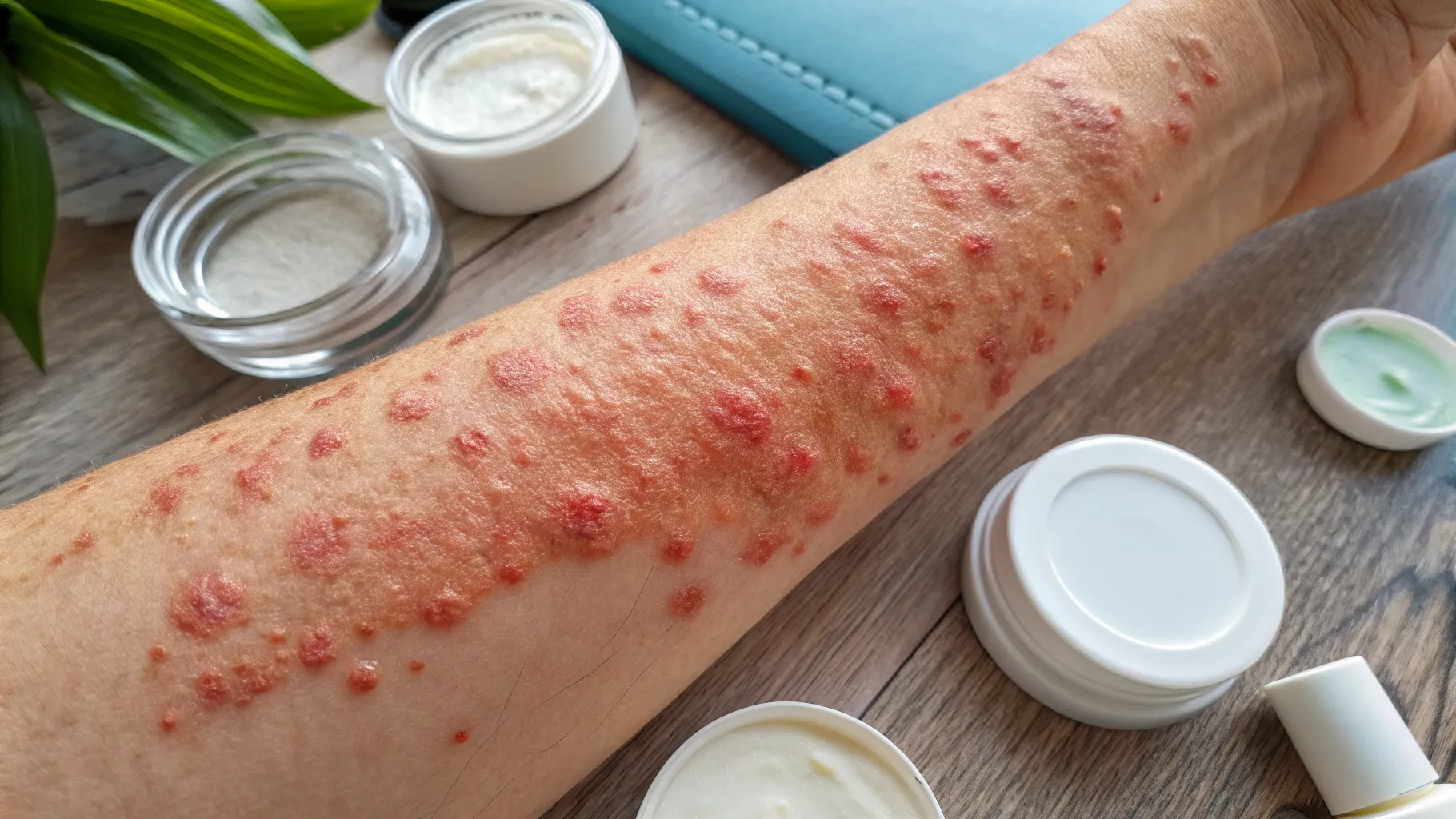
Understanding Eczema Conditions and Warning Signs of Eczema
Eczema, also known as atopic dermatitis, is a widespread skin condition that affects millions of people around the globe. In 2025, over 30% of children and 10% of adults are estimated to be living with some form of eczema. This chronic condition is more than just an aesthetic issue; it can greatly impact a person’s quality of life. Understanding the warning signs of eczema is crucial for early intervention, which can help patients anticipate and manage flare-ups effectively.
What is Eczema?
Eczema presents itself as dry, itchy, and inflamed skin and can occur at any age, although it often begins in childhood. Recent research indicates factors like genetics and environmental influences play significant roles in its development. Patients may experience periods of exacerbation and remission, often influenced by various triggers in their environment or lifestyle.
The signs of eczema can be quite distinct. It's important to learn about and recognize the early symptoms, especially if there is a family history of skin conditions. The physical manifestations of eczema might appear trivial, but they often come accompanied by emotional distress and frustration, given their irritating and sometimes painful nature. In light of recent findings from dermatological surveys, it is vital to raise awareness about this condition and promote early diagnosis and treatment.
Early Signs of Eczema You Shouldn’t Ignore
Recognizing the early signs of eczema can make a significant difference in treatment outcomes. Some indicators to keep watch for include:
- Persistent Itchiness: Severe itching is often the first sign of eczema, frequently intensifying at night. This can lead to disturbed sleep patterns and stress.
- Red and Dry Patches: Look for areas of skin that become red, dry, or inflamed. These patches typically appear on the face, neck, and insides of the elbows and knees, which are common trouble spots.
- Oozing and Crusting: When eczema becomes severe, you may notice that the affected areas ooze fluid or form crusts, potentially leading to secondary infections.
- Thickening Skin: Repeated scratching and irritation can cause the skin to thicken over time, leading to a leathery appearance. This condition, called lichenification, is particularly common in adults.
- Color Changes: Affected skin may also experience changes in pigmentation. After flare-ups, certain areas may appear darker or lighter than the surrounding skin, which can persist long-term.
Factors Contributing to Eczema Symptoms
Understanding what exacerbates eczema symptoms can provide critical insight for managing the condition. Environmental elements like dry air, extreme temperatures, and exposure to irritating cosmetics or soaps can trigger or worsen symptoms. Stress and emotional turmoil have been linked to increased flare-ups, illustrating the important connection between mental health and skin conditions.
Moreover, potential allergens like pollen, dust mites, and certain foods may provoke an immune response that leads to an eczema flare. A recent report highlighted that food-related triggers—particularly nuts and dairy—were more prevalent among children with eczema. Identifying and avoiding these triggers can be beneficial in controlling outbreaks.
Managing Eczema: Recognizing and Acting on Warning Signs
Proactive management of eczema is essential for reducing flare-ups. If you or a loved one are experiencing symptoms, consulting a healthcare professional for tailored advice is crucial. Treatment plans may include:
- Moisturizers: Proper hydration of the skin is essential to preventing dryness. Look for fragrance-free moisturizers to minimize irritation.
- Topical Steroids: For immediate relief during flare-ups, topical steroids help reduce inflammation. Use these medications cautiously as directed to avoid side effects.
- Antihistamines: These can help alleviate itching, especially at night, promoting better sleep.
- Light Therapy: For those with severe cases, phototherapy or light treatments may significantly reduce symptoms and improve overall skin health.
Consider the case of Mark, a 28-year-old man diagnosed with eczema last year. After recognizing the warning signs and consulting a dermatologist, he followed a comprehensive skincare routine involving specific moisturizers and avoidance of known irritants. The result? A marked improvement in his skin condition, with fewer and less severe flare-ups over time, proving that awareness and education lead to better management outcomes.
Living with Eczema: Tips for Daily Life
Coping with eczema can sometimes feel overwhelming, but certain strategies can ease daily life:
- Choose breathable fabrics: Natural fibers like cotton are gentler on the skin and less likely to provoke irritation than synthetic materials.
- Maintain a comfortable environment: Keeping your living space cool may help, as high temperatures can complicate symptoms.
- Avoid irritants: Steer clear of known allergens, and opt for gentle skincare products that don’t contain harsh chemicals.
- Stress management is essential: Practices such as yoga, meditation, or mindfulness exercises can help keep stress levels down, potentially reducing triggers for eczema flare-ups.
As we have explored, eczema is a prevalent condition that requires ongoing attention and management. By recognizing the warn signs of eczema and taking proactive steps, individuals can better manage their conditions and improve their quality of life. Staying informed and adjusting lifestyles can make all the difference between mere survival and thriving while living with eczema.
With continuous education and support, those affected can navigate the challenges of eczema gracefully, knowing that while flare-ups can be frustrating, they shouldn’t dictate one’s life journey. Empowering oneself with knowledge about eczema's symptoms, triggers, and management strategies is key to fostering healthier skin and overall well-being.