Recognizing the Warning Signs of a Failing Heart Valve
The human heart has four valves that act as one-way gates, ensuring blood flows in the correct direction through its chambers. When one or more of these valves fails to open or close properly, it can disrupt blood flow and strain the heart. Recognizing the symptoms of heart valve disease is an important step in managing cardiac health.
Understanding Heart Valve Problems
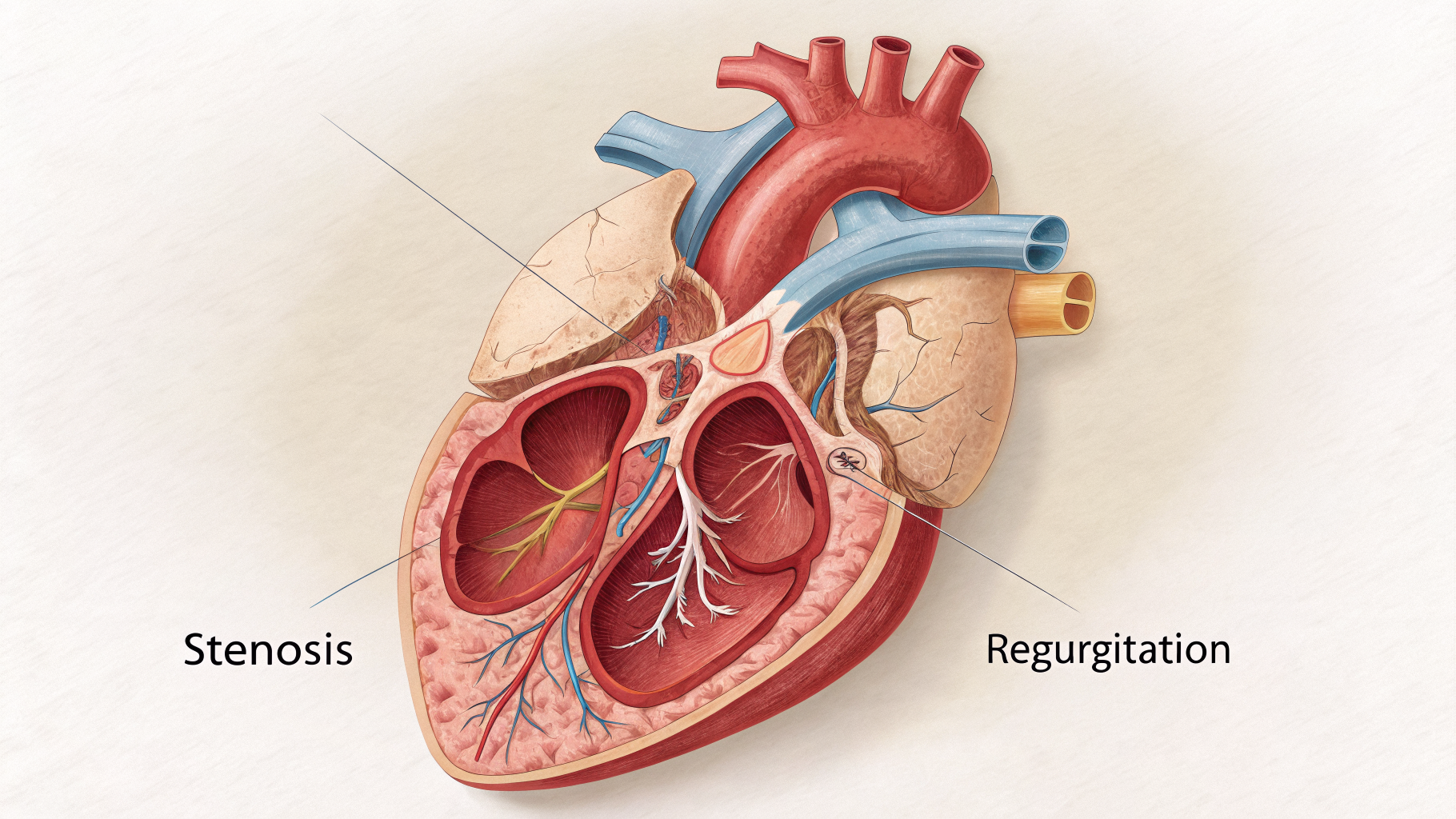
Heart valve issues generally fall into two categories. The first is stenosis, where the valve flaps become stiff or thick, preventing the valve from opening fully. This narrowing forces the heart to work harder to pump blood through the smaller opening. The second category is regurgitation, also known as insufficiency or a leaky valve. This occurs when the valve doesn't close tightly, allowing some blood to leak backward.
Both conditions mean the heart must pump with more force to circulate the necessary amount of blood throughout the body. Over time, this extra work can weaken the heart muscle, leading to more serious complications. The symptoms that arise are often the body's way of signaling that the heart is under strain.
Shortness of Breath
One of the most common symptoms of a failing heart valve is shortness of breath, medically known as dyspnea. You might first notice it during physical activity or when you exert yourself. As the condition progresses, you may feel breathless even during minimal activity or while at rest. This happens because the inefficient valve causes blood to back up in the vessels that lead from the lungs to the heart.
Some people also experience orthopnea, which is shortness of breath that occurs when lying down flat. This may cause them to need several pillows to prop themselves up to sleep comfortably. Another related symptom is paroxysmal nocturnal dyspnea, where a person wakes up suddenly at night, gasping for air.
Chest Pain or Discomfort
Chest pain, or angina, can be another indicator of a significant heart valve problem. This discomfort is often described as a pressure, tightness, or squeezing sensation in the chest. It typically occurs because the heart muscle is not receiving enough oxygen-rich blood to handle its increased workload caused by the faulty valve.
This pain might be triggered by physical exertion and usually subsides with rest. While it can be alarming, it's important to distinguish it from other causes of chest pain. A healthcare professional can help determine the underlying cause through proper diagnostic tests.
Fatigue and General Weakness
Feeling unusually tired or weak is a prevalent but often overlooked sign of heart valve disease. When the heart cannot pump blood efficiently, the body's muscles and tissues do not receive the oxygen they need to function properly. This can result in persistent fatigue that isn't relieved by rest or sleep.
This reduction in stamina can significantly impact daily life, making routine tasks like climbing stairs, carrying groceries, or walking feel exhausting. If you notice a marked decrease in your ability to perform everyday activities without feeling worn out, it could be related to your heart's performance.
Dizziness, Lightheadedness, or Fainting
Symptoms like dizziness, lightheadedness, or even fainting (syncope) can occur with heart valve disease. These sensations are typically caused by insufficient blood flow to the brain. A narrowed or leaky valve can prevent the heart from pumping enough oxygenated blood to meet the brain's demands.
These episodes might happen during physical activity or even when you stand up too quickly. While occasional lightheadedness can have many causes, recurring or severe spells warrant a medical evaluation to check for underlying cardiac issues, including problems with the heart valves.
Swelling in the Ankles, Feet, or Abdomen
When the heart struggles to pump blood effectively, fluid can build up in the body's tissues, a condition known as edema. This is most commonly seen as swelling in the ankles, feet, and legs. The swelling may worsen throughout the day and improve after a night of rest with the legs elevated.
In more advanced cases of heart valve disease, fluid can also accumulate in the abdomen, causing a feeling of bloating or fullness. This fluid retention is a sign that the heart's pumping action is compromised and is struggling to manage the body's fluid balance.
Heart Murmur or Palpitations
Often, the very first sign of a heart valve problem is a heart murmur discovered by a doctor during a routine physical exam. A murmur is an unusual sound, like a whooshing or swishing noise, heard between heartbeats. While many heart murmurs are harmless, some can indicate underlying valve stenosis or regurgitation.
You might also experience heart palpitations, which feel like a fluttering, racing, or pounding in your chest. These can be the sensation of your heart skipping a beat or beating too hard. Palpitations can occur when the heart's chambers have to work harder to compensate for a faulty valve, sometimes leading to an irregular heart rhythm.